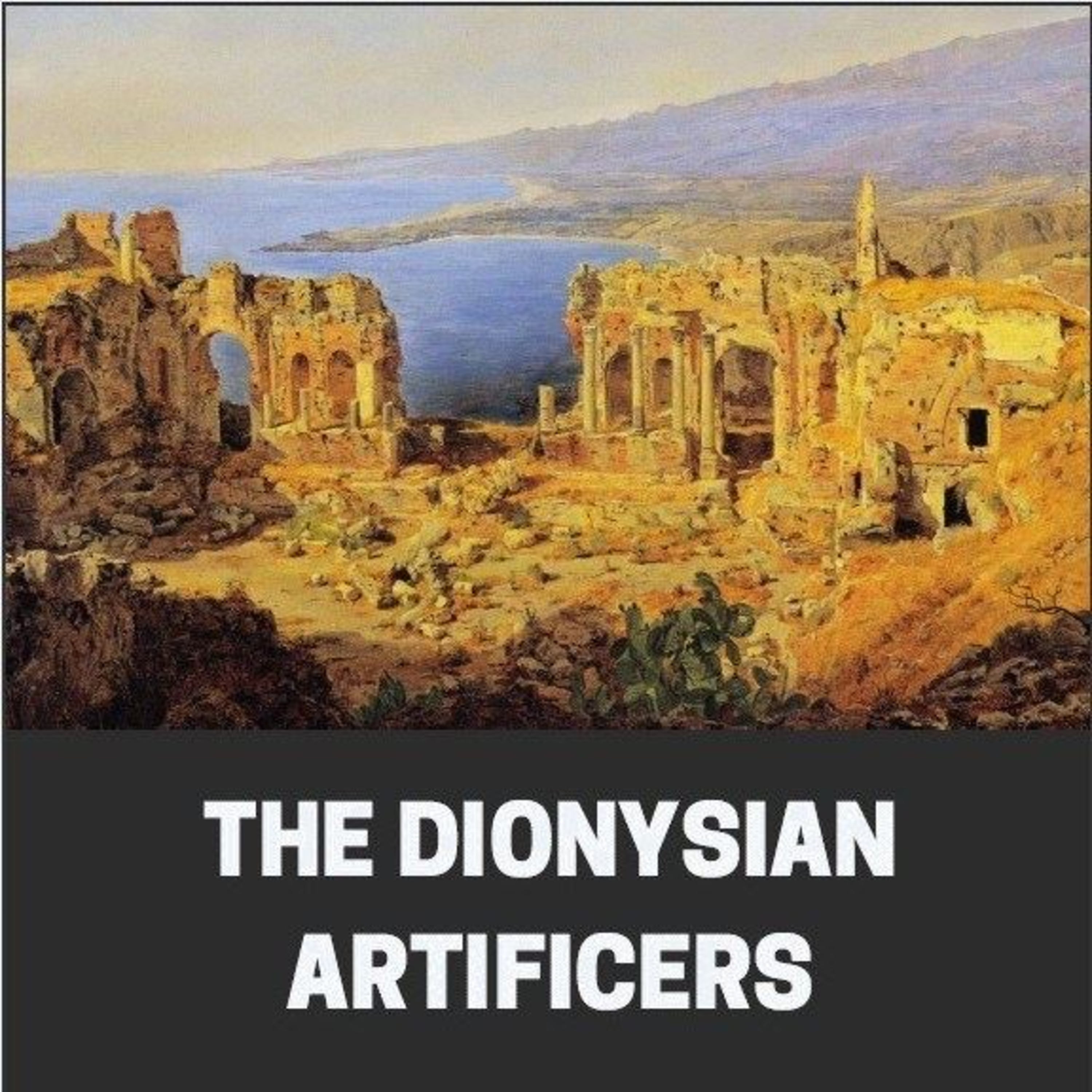
The Dionysian Artificers: Ancient Mysteries, Solar Symbolism, and the Roots of Freemasonry episode artwork

EPISODE · Mar 25, 2025 · 30 MIN

The Dionysian Artificers: Ancient Mysteries, Solar Symbolism, and the Roots of Freemasonry

from Occult Archives · host Falcon Millenium

The Dionysian Artificers by Hippolyto Joseph Da Costa is a groundbreaking historical and philosophical essay tracing the lineage of modern Freemasonry back to the sacred rites and symbolic traditions of ancient mystery cults—particularly those centered on the worship of the sun through the Eleusinian and Dionysian initiations. Written in 1820, this work explores the roots of ancient astronomy, architecture, and allegory, and how these disciplines merged into spiritual societies that shaped moral thought, social order, and religious symbolism across millennia. It is a deep dive into the hidden knowledge of antiquity, revealing how ancient rituals masked profound metaphysical truths beneath layers of myth, numerology, and sacred geometry.Da Costa, a Brazilian Freemason and intellectual exiled for his beliefs, meticulously argues that the mythologies of Osiris, Dionysus, Adonis, and other solar deities were not mere pagan fables but encoded lessons about natural cycles, ethical living, and the immortality of the soul. These deities, he explains, symbolized the sun’s journey through the heavens, its death and rebirth, and were used as metaphors for the spiritual journey of man. The initiations into their mysteries involved symbolic death, time spent in darkness (representing ignorance), and a glorious resurrection into enlightenment. These rites, preserved in part by the Dionysian Artificers—a society of architect-priests—would lay the intellectual and symbolic groundwork for what later became Freemasonry.Through careful examination of classical sources, Da Costa shows how ancient rites incorporated astronomical knowledge. He proposes that the symbolism of three days of darkness before resurrection mirrors the sun's apparent stillness at the solstice, linking cosmology to theology. The book details how the sacred architecture of temples encoded solar movements and esoteric wisdom, how initiates underwent purification, and how secrets were preserved and transmitted through symbols, allegories, and hierarchical rituals.Perhaps most intriguingly, the text presents the transmission of these ancient mysteries through the Ionian Greeks to Asia Minor, and eventually to Judea, where the Dionysian Artificers contributed to the building of Solomon's Temple. Da Costa draws parallels between Masonic rituals and the ceremonial structure of these mysteries—pointing to the use of symbolic numbers (3, 5, 7), the presence of twin pillars, the death-and-resurrection narrative, and the emphasis on moral instruction through allegory. He asserts that many modern religious and philosophical systems owe a debt to these ancient traditions, which sought not to deceive but to uplift humanity through moral discipline and sacred science.While acknowledging the later corruption of the mysteries into orgiastic rites and political tools, Da Costa emphasizes their original purpose: to preserve divine truths through symbolic language, hidden from the profane and shared only with the worthy. The Dionysian Artificers thus serves both as a historical exposition and a passionate defense of the intellectual and spiritual nobility embedded in the mystery schools of old.This timeless essay appeals to historians, Freemasons, spiritual seekers, and those intrigued by the esoteric roots of religion and science. It stands as a bridge between ancient wisdom and modern initiation, shining light on a nearly forgotten lineage of spiritual enlightenment encoded in stone, star, and symbol.

The Dionysian Artificers by Hippolyto Joseph Da Costa is a groundbreaking historical and philosophical essay tracing the lineage of modern Freemasonry back to the sacred rites and symbolic traditions of ancient mystery cults—particularly those centered on the worship of the sun through the Eleusinian and Dionysian initiations. Written in 1820, this work explores the roots of ancient astronomy, architecture, and allegory, and how these disciplines merged into spiritual societies that shaped moral thought, social order, and religious symbolism across millennia. It is a deep dive into the hidden knowledge of antiquity, revealing how ancient rituals masked profound metaphysical truths beneath layers of myth, numerology, and sacred geometry.Da Costa, a Brazilian Freemason and intellectual exiled for his beliefs, meticulously argues that the mythologies of Osiris, Dionysus, Adonis, and other solar deities were not mere pagan fables but encoded lessons about natural cycles, ethical living, and the immortality of the soul. These deities, he explains, symbolized the sun’s journey through the heavens, its death and rebirth, and were used as metaphors for the spiritual journey of man. The initiations into their mysteries involved symbolic death, time spent in darkness (representing ignorance), and a glorious resurrection into enlightenment. These rites, preserved in part by the Dionysian Artificers—a society of architect-priests—would lay the intellectual and symbolic groundwork for what later became Freemasonry.Through careful examination of classical sources, Da Costa shows how ancient rites incorporated astronomical knowledge. He proposes that the symbolism of three days of darkness before resurrection mirrors the sun's apparent stillness at the solstice, linking cosmology to theology. The book details how the sacred architecture of temples encoded solar movements and esoteric wisdom, how initiates underwent purification, and how secrets were preserved and transmitted through symbols, allegories, and hierarchical rituals.Perhaps most intriguingly, the text presents the transmission of these ancient mysteries through the Ionian Greeks to Asia Minor, and eventually to Judea, where the Dionysian Artificers contributed to the building of Solomon's Temple. Da Costa draws parallels between Masonic rituals and the ceremonial structure of these mysteries—pointing to the use of symbolic numbers (3, 5, 7), the presence of twin pillars, the death-and-resurrection narrative, and the emphasis on moral instruction through allegory. He asserts that many modern religious and philosophical systems owe a debt to these ancient traditions, which sought not to deceive but to uplift humanity through moral discipline and sacred science.While acknowledging the later corruption of the mysteries into orgiastic rites and political tools, Da Costa emphasizes their original purpose: to preserve divine truths through symbolic language, hidden from the profane and shared only with the worthy. The Dionysian Artificers thus serves both as a historical exposition and a passionate defense of the intellectual and spiritual nobility embedded in the mystery schools of old.This timeless essay appeals to historians, Freemasons, spiritual seekers, and those intrigued by the esoteric roots of religion and science. It stands as a bridge between ancient wisdom and modern initiation, shining light on a nearly forgotten lineage of spiritual enlightenment encoded in stone, star, and symbol.

NOW PLAYING

The Dionysian Artificers: Ancient Mysteries, Solar Symbolism, and the Roots of Freemasonry

0:00 30:44

No transcript for this episode yet

We transcribe on demand. Request one and we'll notify you when it's ready — usually under 10 minutes.

No similar episodes found.

No similar podcasts found.

Frequently Asked Questions

How long is this episode of Occult Archives?

This episode is 30 minutes long.

When was this Occult Archives episode published?

This episode was published on March 25, 2025.

What is this episode about?

The Dionysian Artificers by Hippolyto Joseph Da Costa is a groundbreaking historical and philosophical essay tracing the lineage of modern Freemasonry back to the sacred rites and symbolic traditions of ancient mystery cults—particularly those...

Can I download this Occult Archives episode?

Yes, you can download this episode by clicking the download button on the episode player, or subscribe to the podcast in your preferred podcast app for automatic downloads.
URL copied to clipboard!