
EPISODE · Apr 10, 2026 · 52 MIN
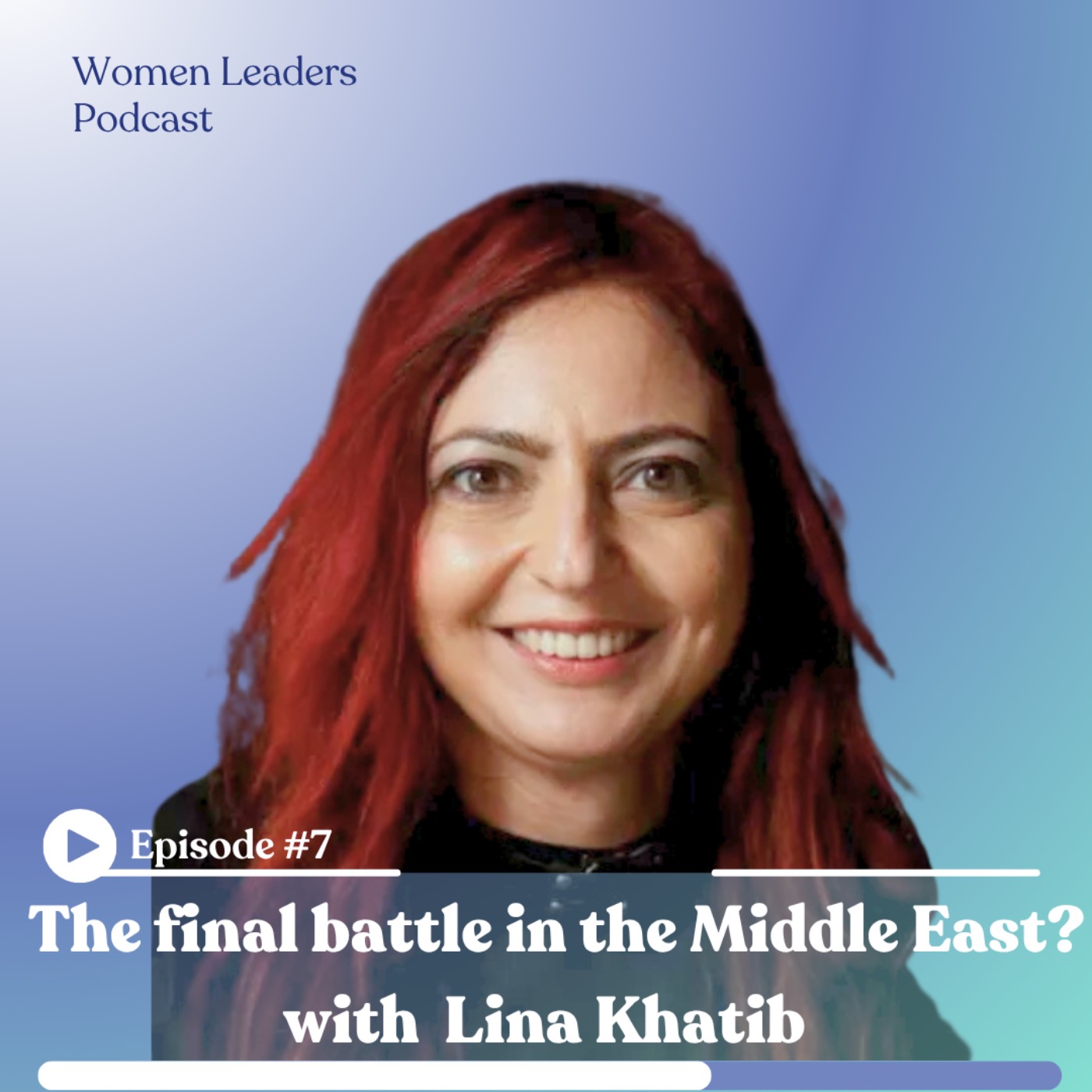
The final battle in the Middle East? with Lina Khatib
from Women Leaders
The regional war that started on 28 February 2026 with US and Israeli airstrikes against Iran has engulfed Lebanon, Israel and the Gulf states. Meting out destruction, death and disillusion on all sides, 40 days of conflict stopped with US President Trump threatening to wipe out Iranian civilisation — to the horror of many around the world — and a fragile ceasefire agreed on April 7th, with negotiations to follow.Conventional wisdom has it that everyone lost, though the Iranian regime remains in place — so it has, in its way, won. But maybe not. The Iranian proxies — sometimes known as the Shia Crescent or else the Axis of Resistance — have been crucial to Iran’s ambition as a regional power and to the justification of the post-1979 revolutionary state. But the Crescent has been severely crippled, and possibly broken, leaving the regime in dire need to fight for its survival — both internally, as with the protests that broke out in January and were brutally repressed, and externally, with the current war.In a magnificent survey of Iran, its proxies and the states afflicted, Prof Lina Khatib of both the Harvard Belfer Center and Chatham House explains the logic of the proxies to those in power in Iran and the deep need of the Iranian regime to fight — for its survival. These are historic shifts: violent, destructive and painful. But they may be necessary to create a new, more peaceful Middle East.A sharp, insightful and very fascinating conversation.This episode was recorded on 9 April 2026ChaptersImplications of the US-Iran ceasefireDebunking Iran’s “dark” ideology and its enemiesThe degradation of Iran’s proxy model (Hezbollah, Hamas, Iraqi militia, Houthis)The evolution of Iran’s influence on its neighbours (Lebanon, Syria, Iraq, Israel)The end of the status quo in the Middle EastMentionsLina’s article “The degradation of Iran’s Proxy Model” Harvard Kennedy School“Israel to open direct talks with Lebanon but not halt attacks on Hezbollah” The Washington PostLina’s article “Syria’s Lessons for Regime Change in Iran” Foreign PolicyFollowLina Khatib LinkedIn & websiteChatham House mailing list (research, comment and events)Ilana Bet-ElInstagram @women_leaders_podcastListen this episode on our YouTube channelOur partner European Leadership Network Twitter LinkedIn Facebook websiteCreditsProduction: Florence FerrandoMusic: Let Good Times Roll, RA from #Uppbeat (free for Creators!): https://uppbeat.io/t/ra/let-good-times-rollLicense code: ZXIIIJUU2ISPZIJTContribute to the conversation with a comment & a 5-⭐️Reach us on our Instagram and follow for updates @women_leaders_podcastWatch now our episode on Youtube Hosted on Acast. See acast.com/privacy for more information.
Embed this episode
NOW PLAYING
The final battle in the Middle East? with Lina Khatib
No transcript for this episode yet
Similar Episodes
No similar episodes found.
Similar Podcasts
No similar podcasts found.