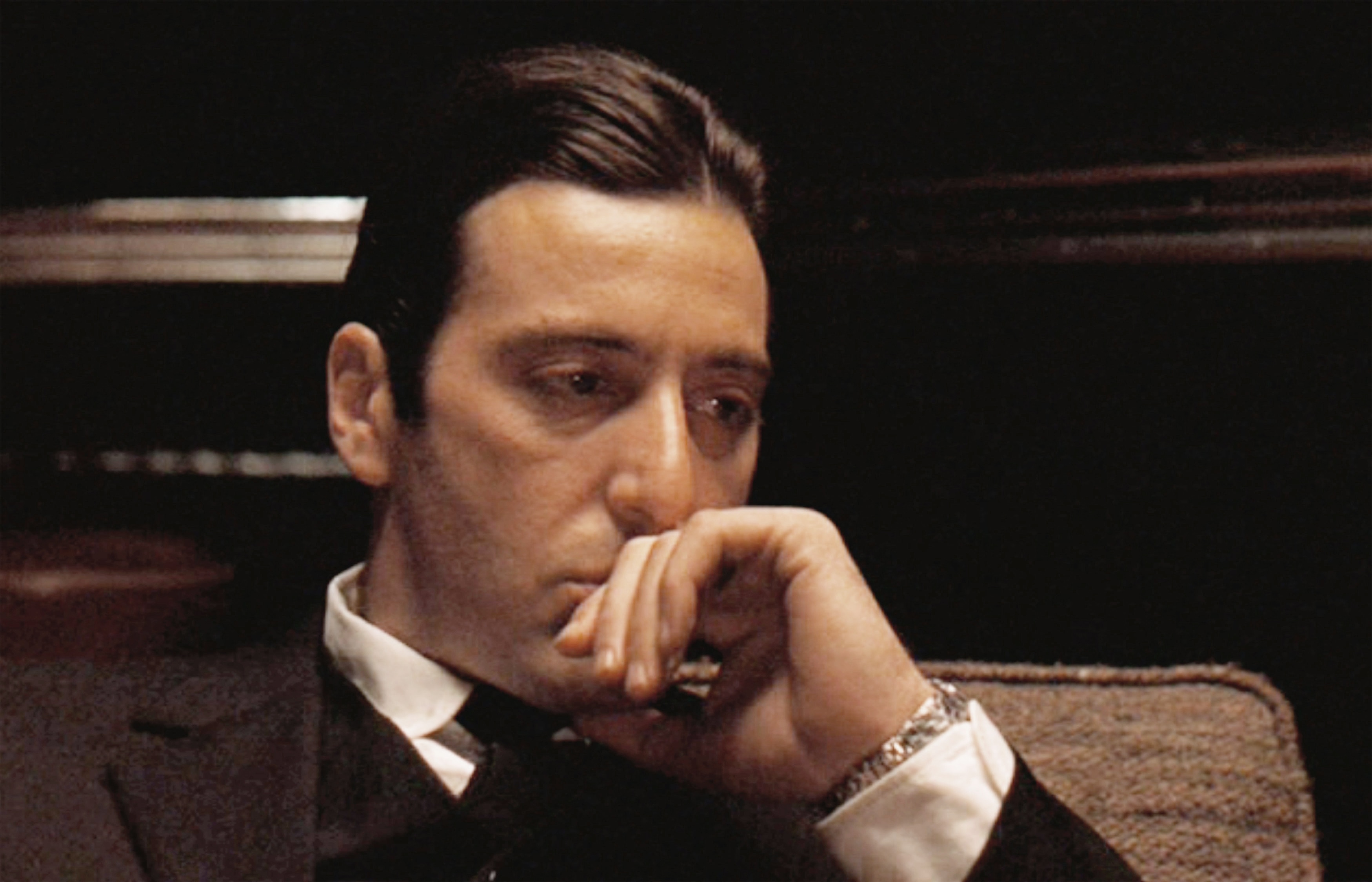
“The Godfather, Part II” — a parable of corruption and fall episode artwork

EPISODE · Nov 27, 2024 · 54 MIN

“The Godfather, Part II” — a parable of corruption and fall

from The Minefield · host Australian Broadcasting Corporation

In December 1974, “The Godfather, Part II” premiered in New York City. Following the unlikely success and unexpected acclaim that his 1972 adaptation of Mario Puzo’s bestselling novel received, Francis Ford Coppola was granted almost unlimited discretion to realise his cinematic vision for the sequel — and he used that discretion to greatest possible effect.In fact, “The Godfather” and “The Godfather, Part II” are rare instances of films that far outstrip, in both its narrative depth and its aesthetic form, the source material on which they are based.At the heart of the first two “Godfather” films is a stark contrast. Vito is virtuous within a cinematic universe in which legality and morality are not synonymous: the fact that his assassination of the tyrannical Don Fanucci is celebrated, that his “favours” are beneficent, that he is attentive to his wife and children — all suggest a kind of moral goodness. Whereas Michael, having begun as the most virtuous of Don Corleone’s sons, falls deeper than the others could have gone.Having begun alone, somewhat removed from the family, Michael ends the film utterly, existentially, morally, isolated.

In December 1974, “The Godfather, Part II” premiered in New York City. Following the unlikely success and unexpected acclaim that his 1972 adaptation of Mario Puzo’s bestselling novel received, Francis Ford Coppola was granted almost unlimited discretion to realise his cinematic vision for the sequel — and he used that discretion to greatest possible effect. In fact, “The Godfather” and “The Godfather, Part II” are rare instances of films that far outstrip, in both its narrative depth and its aesthetic form, the source material on which they are based. At the heart of the first two “Godfather” films is a stark contrast. Vito is virtuous within a cinematic universe in which legality and morality are not synonymous: the fact that his assassination of the tyrannical Don Fanucci is celebrated, that his “favours” are beneficent, that he is attentive to his wife and children — all suggest a kind of moral goodness. Whereas Michael, having begun as the most virtuous of Don Corleone’s sons, falls deeper than the others could have gone. Having begun alone, somewhat removed from the family, Michael ends the film utterly, existentially, morally, isolated.

NOW PLAYING

“The Godfather, Part II” — a parable of corruption and fall

0:00 54:30

No transcript for this episode yet

We transcribe on demand. Request one and we'll notify you when it's ready — usually under 10 minutes.

Frequently Asked Questions

How long is this episode of The Minefield?

This episode is 54 minutes long.

When was this The Minefield episode published?

This episode was published on November 27, 2024.

What is this episode about?

In December 1974, “The Godfather, Part II” premiered in New York City. Following the unlikely success and unexpected acclaim that his 1972 adaptation of Mario Puzo’s bestselling novel received, Francis Ford Coppola was granted almost unlimited...

Can I download this The Minefield episode?

Yes, you can download this episode by clicking the download button on the episode player, or subscribe to the podcast in your preferred podcast app for automatic downloads.
URL copied to clipboard!