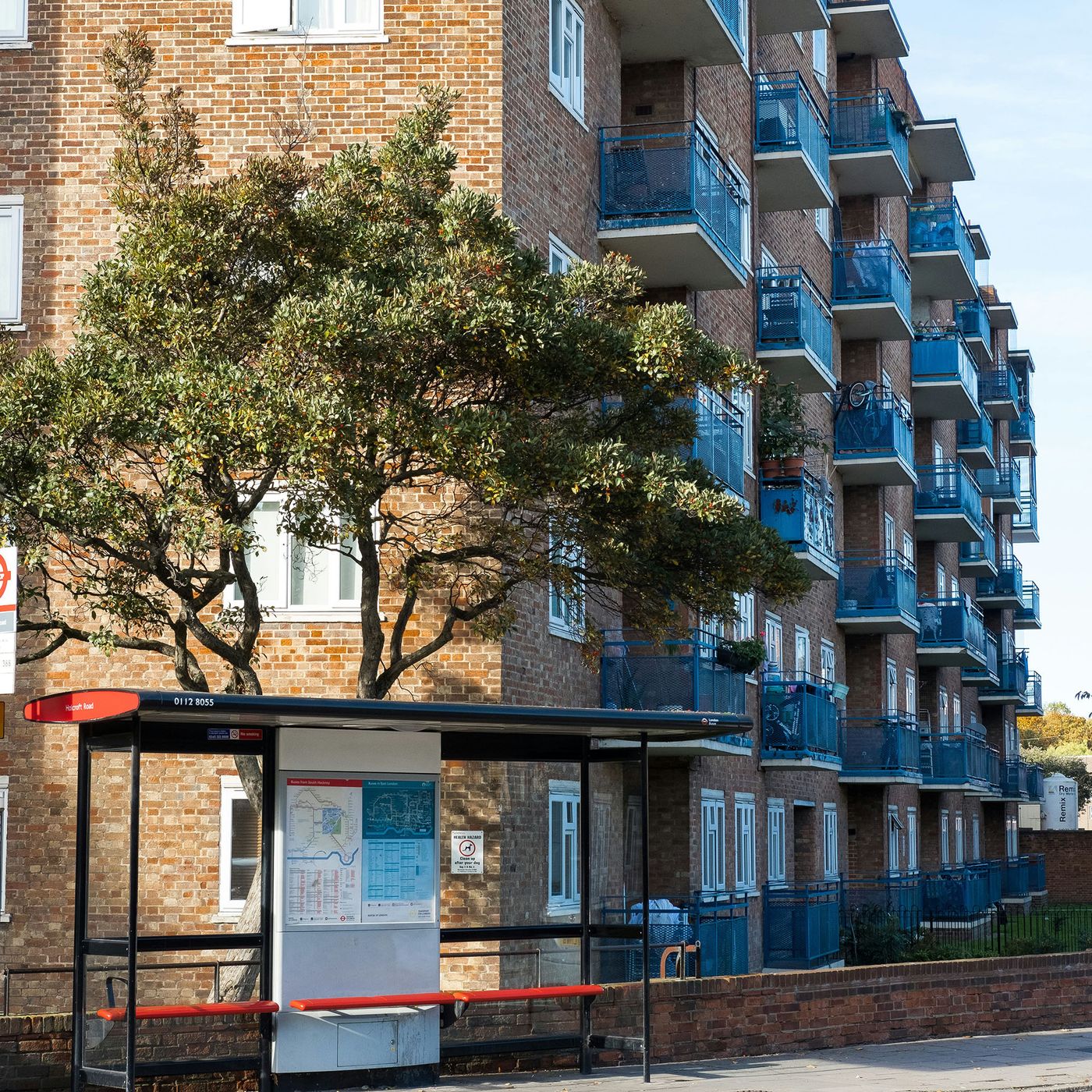
The Great Wealth Shift: London vs Dubai Real Estate Markets episode artwork

EPISODE · Mar 8, 2026 · 48 MIN

The Great Wealth Shift: London vs Dubai Real Estate Markets

from The Money Lab · host Norse Studio

The landscape of the London property market is currently undergoing a significant transformation, driven by a combination of global geopolitical shifts, domestic tax reforms, and changing investor priorities. While rising mortgage rates have cooled many sectors of the UK housing market, the high-end segment in London remains notably resilient, largely sustained by a surge in cash buyers who are insulated from borrowing costs. These equity-driven transactions accounted for approximately 71% of home purchases in prime central locations in early 2023, a significant increase from pre-pandemic levels.A stark contrast has emerged between the stability of luxury properties and the vulnerability of suburban markets. While properties valued over £5 million have maintained their pricing, those in lower price brackets have seen declines as they are more sensitive to interest rate hikes. This demand for top-tier real estate is increasingly driven by wealthy individuals from regions such as Scandinavia, Turkey, and the US West Coast.Investment from the Gulf Cooperation Council (GCC) continues to be a cornerstone of the market, with London maintaining its status as the top international city for investors from Saudi Arabia, Qatar, and the UAE. Qatar, in particular, has amassed a sprawling property empire worth over £10 billion, including iconic landmarks like the Shard, Harrods, and a significant cluster of five-star hotels in Mayfair. Beyond these "trophy assets," there is a growing appetite for diversification into Purpose-Built Student Accommodation (PBSA), logistics, and "green" offices with high sustainability credentials.While London remains the primary focus, there is a visible shift toward regional UK cities. Investors are increasingly targeting Manchester, Birmingham, and Liverpool, seeking higher rental yields and more affordable entry points. This regional interest is often bolstered by cultural ties, such as ownership of prominent football clubs and partnerships in major sporting ventures.However, the market faces headwinds from major tax reforms. The planned abolition of non-domicile status and the introduction of inheritance taxes on global assets are prompting a "wealth exodus". Thousands of millionaires have reportedly left the UK, often relocating to tax-friendly jurisdictions like Dubai, which offers zero-tax environments and a pro-business climate. This shift has led to price corrections in certain prime London postcodes, creating a buyer's market where significant discounts are being negotiated.Furthermore, the UK economy remains uniquely vulnerable to global geopolitical instability. The country's high dependency on imported material resources—including 50% of its natural gas and up to 80% of its food when accounting for fertilizers and energy—means that conflicts in the Middle East can trigger rapid surges in the cost of living. Blockages in critical maritime choke points, such as the Strait of Hormuz or the Bab el-Mandeb, pose a direct threat to the financial and material stability that supports the property market.In response to these challenges, there is a strategic pivot toward sustainability and domestic resilience. Investors are placing greater emphasis on environmental performance, as upcoming regulations may restrict the ability to let properties with low energy efficiency ratings. While the market navigates these tax-driven and geopolitical shifts, London's long-term growth potential remains a point of optimism for those who can capitalize on current price corrections and the evolving landscape of global wealth.Become a supporter of this podcast: https://www.spreaker.com/podcast/the-money-lab--6886555/support.

The landscape of the London property market is currently undergoing a significant transformation, driven by a combination of global geopolitical shifts, domestic tax reforms, and changing investor priorities. While rising mortgage rates have cooled many sectors of the UK housing market, the high-end segment in London remains notably resilient, largely sustained by a surge in cash buyers who are insulated from borrowing costs. These equity-driven transactions accounted for approximately 71% of home purchases in prime central locations in early 2023, a significant increase from pre-pandemic levels.A stark contrast has emerged between the stability of luxury properties and the vulnerability of suburban markets. While properties valued over £5 million have maintained their pricing, those in lower price brackets have seen declines as they are more sensitive to interest rate hikes. This demand for top-tier real estate is increasingly driven by wealthy individuals from regions such as Scandinavia, Turkey, and the US West Coast.Investment from the Gulf Cooperation Council (GCC) continues to be a cornerstone of the market, with London maintaining its status as the top international city for investors from Saudi Arabia, Qatar, and the UAE. Qatar, in particular, has amassed a sprawling property empire worth over £10 billion, including iconic landmarks like the Shard, Harrods, and a significant cluster of five-star hotels in Mayfair. Beyond these "trophy assets," there is a growing appetite for diversification into Purpose-Built Student Accommodation (PBSA), logistics, and "green" offices with high sustainability credentials.While London remains the primary focus, there is a visible shift toward regional UK cities. Investors are increasingly targeting Manchester, Birmingham, and Liverpool, seeking higher rental yields and more affordable entry points. This regional interest is often bolstered by cultural ties, such as ownership of prominent football clubs and partnerships in major sporting ventures.However, the market faces headwinds from major tax reforms. The planned abolition of non-domicile status and the introduction of inheritance taxes on global assets are prompting a "wealth exodus". Thousands of millionaires have reportedly left the UK, often relocating to tax-friendly jurisdictions like Dubai, which offers zero-tax environments and a pro-business climate. This shift has led to price corrections in certain prime London postcodes, creating a buyer's market where significant discounts are being negotiated.Furthermore, the UK economy remains uniquely vulnerable to global geopolitical instability. The country's high dependency on imported material resources—including 50% of its natural gas and up to 80% of its food when accounting for fertilizers and energy—means that conflicts in the Middle East can trigger rapid surges in the cost of living. Blockages in critical maritime choke points, such as the Strait of Hormuz or the Bab el-Mandeb, pose a direct threat to the financial and material stability that supports the property market.In response to these challenges, there is a strategic pivot toward sustainability and domestic resilience. Investors are placing greater emphasis on environmental performance, as upcoming regulations may restrict the ability to let properties with low energy efficiency ratings. While the market navigates these tax-driven and geopolitical shifts, London's long-term growth potential remains a point of optimism for those who can capitalize on current price corrections and the evolving landscape of global wealth.Become a supporter of this podcast: https://www.spreaker.com/podcast/the-money-lab--6886555/support.

NOW PLAYING

The Great Wealth Shift: London vs Dubai Real Estate Markets

0:00 48:59

No transcript for this episode yet

We transcribe on demand. Request one and we'll notify you when it's ready — usually under 10 minutes.

MG Show MG Show The MG Show, hosted by Jeffrey Pedersen and Shannon Townsend, is a leading alternative media platform dedicated to uncovering the truth behind today’s most pressing political issues. Launched in 2019, the show has grown exponentially, offering unfiltered insights, comprehensive research, and real-time analysis. With a commitment to independent journalism and factual integrity, the MG Show empowers its audience with knowledge and encourages active participation in the political discourse. Ask A Spaceman Archives - 365 Days of Astronomy Ask A Spaceman Archives - 365 Days of Astronomy Podcasting Astronomy Every Day of the Year Breaking News Show | eTurboNews Juergen Thomas Steinmetz News is relevant to the global travel and tourism industry, human rights and global issues.Breaking news when it happens and only from the source. いろはにマネーの「ながら学習」 IrohaniMoney この番組では、インターン生2人が、金融、経済、投資関連の気になる情報を分かりやすくお伝えしていきます。インターン生の会話を「ながら聴き」する感覚で一緒に勉強していきましょう!ご意見箱フォーム:https://forms.gle/TTGaVP2TJksNMKJo7ぜひお便りや感想をお待ちしています!公式X:https://x.com/irohanimoney番組のハッシュタグは「#いろはにながら」です。番組への感想をお待ちしています!いろはにマネー:https://www.bridge-salon.jp/money/姉妹サイト:https://kabu.bridge-salon.jp/姉妹サイト:https://bridge-salon.jp/(株)インベストメントブリッジ運営

Frequently Asked Questions

How long is this episode of The Money Lab?

This episode is 48 minutes long.

When was this The Money Lab episode published?

This episode was published on March 8, 2026.

What is this episode about?

The landscape of the London property market is currently undergoing a significant transformation, driven by a combination of global geopolitical shifts, domestic tax reforms, and changing investor priorities. While rising mortgage rates have cooled...

Is there a transcript available for this episode?

Yes, a full transcript is available for this episode. You can read the complete transcript on the episode page.

Can I download this The Money Lab episode?

Yes, you can download this episode by clicking the download button on the episode player, or subscribe to the podcast in your preferred podcast app for automatic downloads.
URL copied to clipboard!