
EPISODE · Jun 26, 2016 · 2H 42M
The Helios Biblios Hour :Colonialism Africa Then & Now special guest Ndona Mwana
from O YE DRYBONES (FEB 2019 - JAN 2025) · host DRYBONES
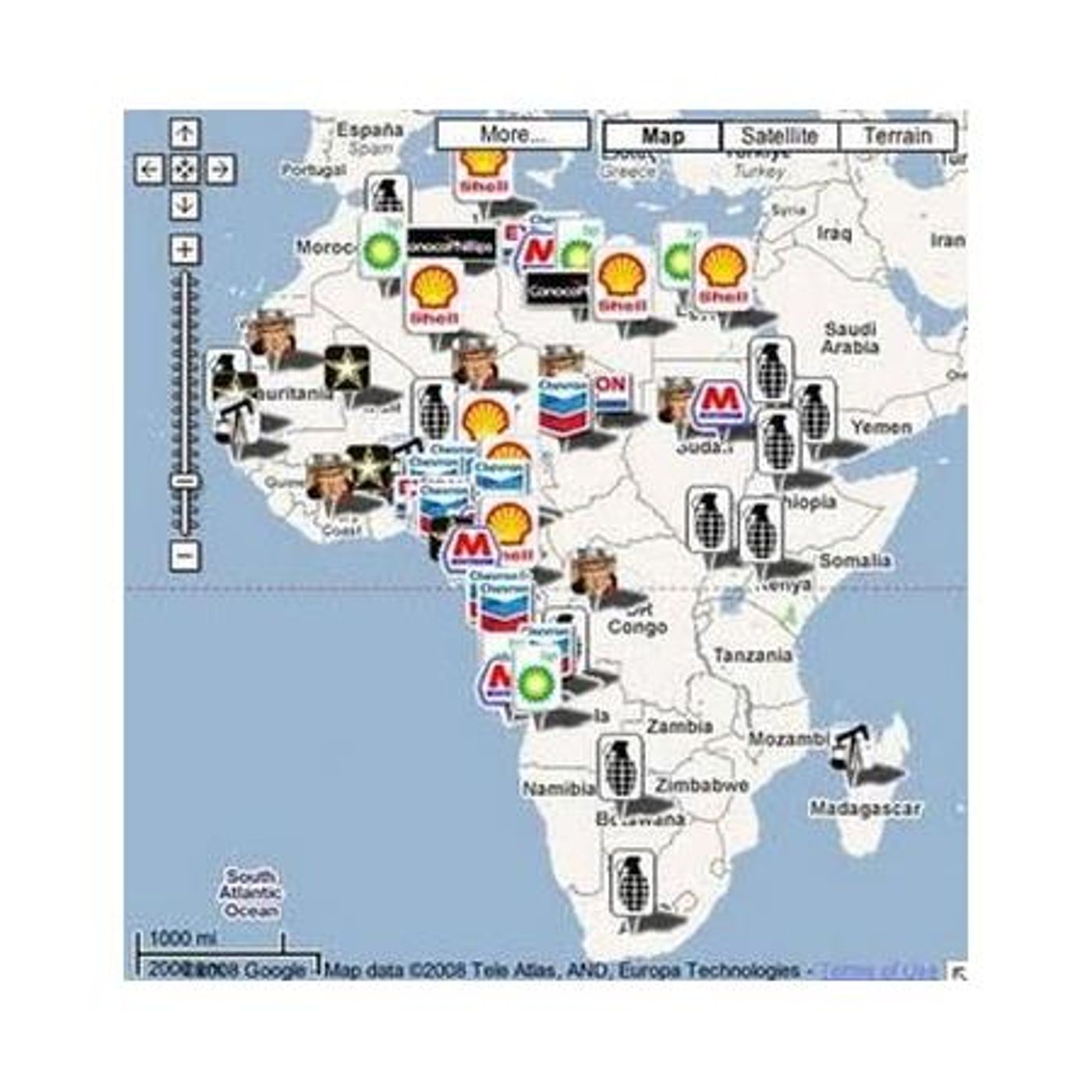
Back then Along with its colonial rivals, Britain was responsible for drawing international boundaries onto Africa in the late 1800s. The Congress of Berlin, held between 1884 and 1885, laid out the rules for European colonization, meaning in the 30 years following, European countries divided up newly colonized territories in a series of bilateral agreements. The new international boundaries were “drawn by Europeans, for Europeans,” and paid little attention to conditions on the ground, says Geography professor Ieuan Griffiths. Despite the arbitrary nature of the boundaries in many parts of Africa, after independence the new African countries became, as Ralph A. Austen of the University of Chicago points out, “staunch defenders of the existing boundaries. And now Foreign investors, with the World Bank, are acquiring vast tracks of land in Africa – at the expense of local farmers. Smallholder farms are disappearing across Africa because of large-scale foreign investment. The “town” chief of the village seemed to be in a state of shock This is a ground-level view of a large land deal in Africa, where in recent years foreign investors have acquired tens of millions of hectares of farmland. In 2009 alone, the World Bank estimates that around the world foreign investors acquired about 56 million hectares of farmland – an area about the size of France – by long-term lease or by purchase. Farmland has become a favourite “new asset” class for private investors; “like gold, only better” according to Capital & Crisis.The World Bank has its own term for the new global land rush. It calls it “agro-investment”An estimated 70 per cent of the demand for farmland is in Africa, the World Bank Group has been promoting direct foreign investment in Africinva, and enabling the farmland rush.Become a supporter of this podcast: https://www.spreaker.com/podcast/o-ye-drybones-archive--6500709/support.
What this episode covers
Back then Along with its colonial rivals, Britain was responsible for drawing international boundaries onto Africa in the late 1800s. The Congress of Berlin, held between 1884 and 1885, laid out the rules for European colonization, meaning in the 30 years following, European countries divided up newly colonized territories in a series of bilateral agreements. The new international boundaries were “drawn by Europeans, for Europeans,” and paid little attention to conditions on the ground, says Geography professor Ieuan Griffiths. Despite the arbitrary nature of the boundaries in many parts of Africa, after independence the new African countries became, as Ralph A. Austen of the University of Chicago points out, “staunch defenders of the existing boundaries. And now Foreign investors, with the World Bank, are acquiring vast tracks of land in Africa – at the expense of local farmers. Smallholder farms are disappearing across Africa because of large-scale foreign investment. The “town” chief of the village seemed to be in a state of shock This is a ground-level view of a large land deal in Africa, where in recent years foreign investors have acquired tens of millions of hectares of farmland. In 2009 alone, the World Bank estimates that around the world foreign investors acquired about 56 million hectares of farmland – an area about the size of France – by long-term lease or by purchase. Farmland has become a favourite “new asset” class for private investors; “like gold, only better” according to Capital & Crisis.The World Bank has its own term for the new global land rush. It calls it “agro-investment”An estimated 70 per cent of the demand for farmland is in Africa, the World Bank Group has been promoting direct foreign investment in Africinva, and enabling the farmland rush.Become a supporter of this podcast: https://www.spreaker.com/podcast/o-ye-drybones-archive--6500709/support.
NOW PLAYING
The Helios Biblios Hour :Colonialism Africa Then & Now special guest Ndona Mwana
No transcript for this episode yet
Similar Episodes
No similar episodes found.
Similar Podcasts
No similar podcasts found.