
EPISODE · Mar 25, 2018 · 2H 58M
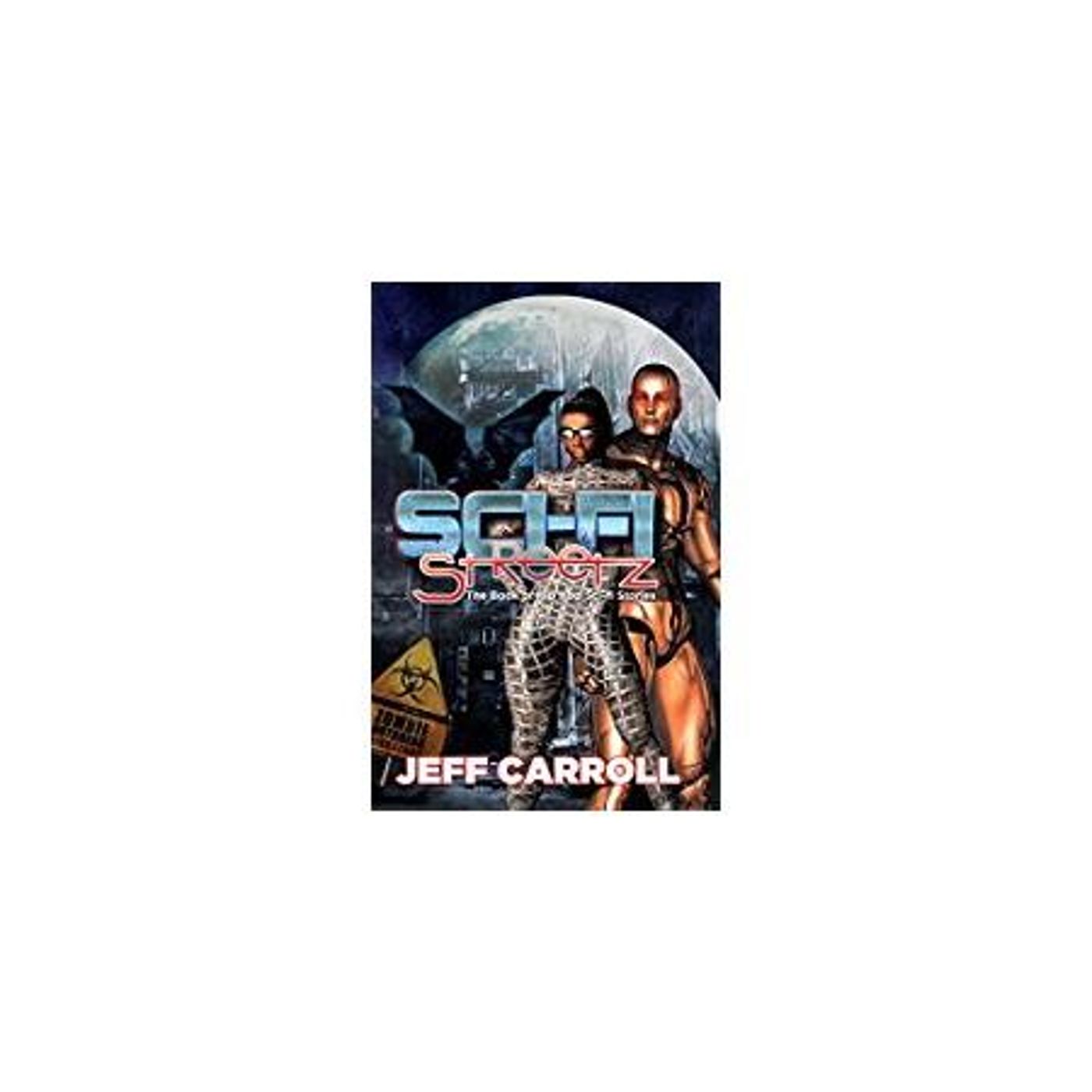
The Helios Biblios Hour : Sci-Fi Fact or Fiction ,guest Film maker Jeff Carroll
from O YE DRYBONES (FEB 2019 - JAN 2025) · host DRYBONES
Since many enthusiasts cannot agree on a definition of science fiction, it is not surprising that opinions also vary as to its origin. There are those who maintain that the genre began toward the end of the 19th century with the novels of Jules Verne (1828–1905) and H.G. Wells (1866–1946 Some make a case for the works of Edgar Allan Poe (1809–1849).35 Others, however, go further back and pinpoint modern science fiction’s birth to Mary Shelley’s historic novel written in 1818: ‘Inspired by a dream, she wrote Frankenstein: Or, The Modern Prometheus, about a doctor obsessed with creating life. The Gothic tale was one of the first works to explore science’s destructive side and, as such, marked the birth of sci-fi as we know it. Wells studied under Thomas H. Huxley46 (Charles Darwin’s ‘Bulldog’) and throughout his life was a firm believer and promoter of evolutionary philosophy.47 He was also a Fabian socialist for a time. Social and political issues also peer out from science fiction from the start, and not just in Wells’s work. Rokheya Shekhawat Hossein’s “Sultana’s Dream” (1905) is a potent feminist utopian vision. W. E. B. Du Bois’s “The Comet” (1920) isn’t just a story about an impending science-fictional catastrophe but also the start of a conversation about race relations and a proto-Afrofuturist tale. American science fiction looked to the stars and saw a Cold War there. Consider Star Trek, the franchise that, as a TV show from 1966 to 1969 and later as a series of movies, chronicled the adventures of Captain Kirk, Mr. Spock, and the crew of the USS—“United Starship”—Enterprise, representatives of a democratic United Federation of Planets that held an uneasy truce with the warlike, autocratic Klingon Empire. The real-world parallels were unmistakable. “Of course Star Trek was about the Cold War,” cBecome a supporter of this podcast: https://www.spreaker.com/podcast/o-ye-drybones-archive--6500709/support.
What this episode covers
Since many enthusiasts cannot agree on a definition of science fiction, it is not surprising that opinions also vary as to its origin. There are those who maintain that the genre began toward the end of the 19th century with the novels of Jules Verne (1828–1905) and H.G. Wells (1866–1946 Some make a case for the works of Edgar Allan Poe (1809–1849).35 Others, however, go further back and pinpoint modern science fiction’s birth to Mary Shelley’s historic novel written in 1818: ‘Inspired by a dream, she wrote Frankenstein: Or, The Modern Prometheus, about a doctor obsessed with creating life. The Gothic tale was one of the first works to explore science’s destructive side and, as such, marked the birth of sci-fi as we know it. Wells studied under Thomas H. Huxley46 (Charles Darwin’s ‘Bulldog’) and throughout his life was a firm believer and promoter of evolutionary philosophy.47 He was also a Fabian socialist for a time. Social and political issues also peer out from science fiction from the start, and not just in Wells’s work. Rokheya Shekhawat Hossein’s “Sultana’s Dream” (1905) is a potent feminist utopian vision. W. E. B. Du Bois’s “The Comet” (1920) isn’t just a story about an impending science-fictional catastrophe but also the start of a conversation about race relations and a proto-Afrofuturist tale. American science fiction looked to the stars and saw a Cold War there. Consider Star Trek, the franchise that, as a TV show from 1966 to 1969 and later as a series of movies, chronicled the adventures of Captain Kirk, Mr. Spock, and the crew of the USS—“United Starship”—Enterprise, representatives of a democratic United Federation of Planets that held an uneasy truce with the warlike, autocratic Klingon Empire. The real-world parallels were unmistakable. “Of course Star Trek was about the Cold War,” cBecome a supporter of this podcast: https://www.spreaker.com/podcast/o-ye-drybones-archive--6500709/support.
NOW PLAYING
The Helios Biblios Hour : Sci-Fi Fact or Fiction ,guest Film maker Jeff Carroll
No transcript for this episode yet
Similar Episodes
No similar episodes found.
Similar Podcasts
No similar podcasts found.