
EPISODE · May 3, 2020 · 2H 57M
The Helios Biblios Hour : SCI-FI Is-RaEl w/special guest Jeff Carroll
from O YE DRYBONES (FEB 2019 - JAN 2025) · host DRYBONES
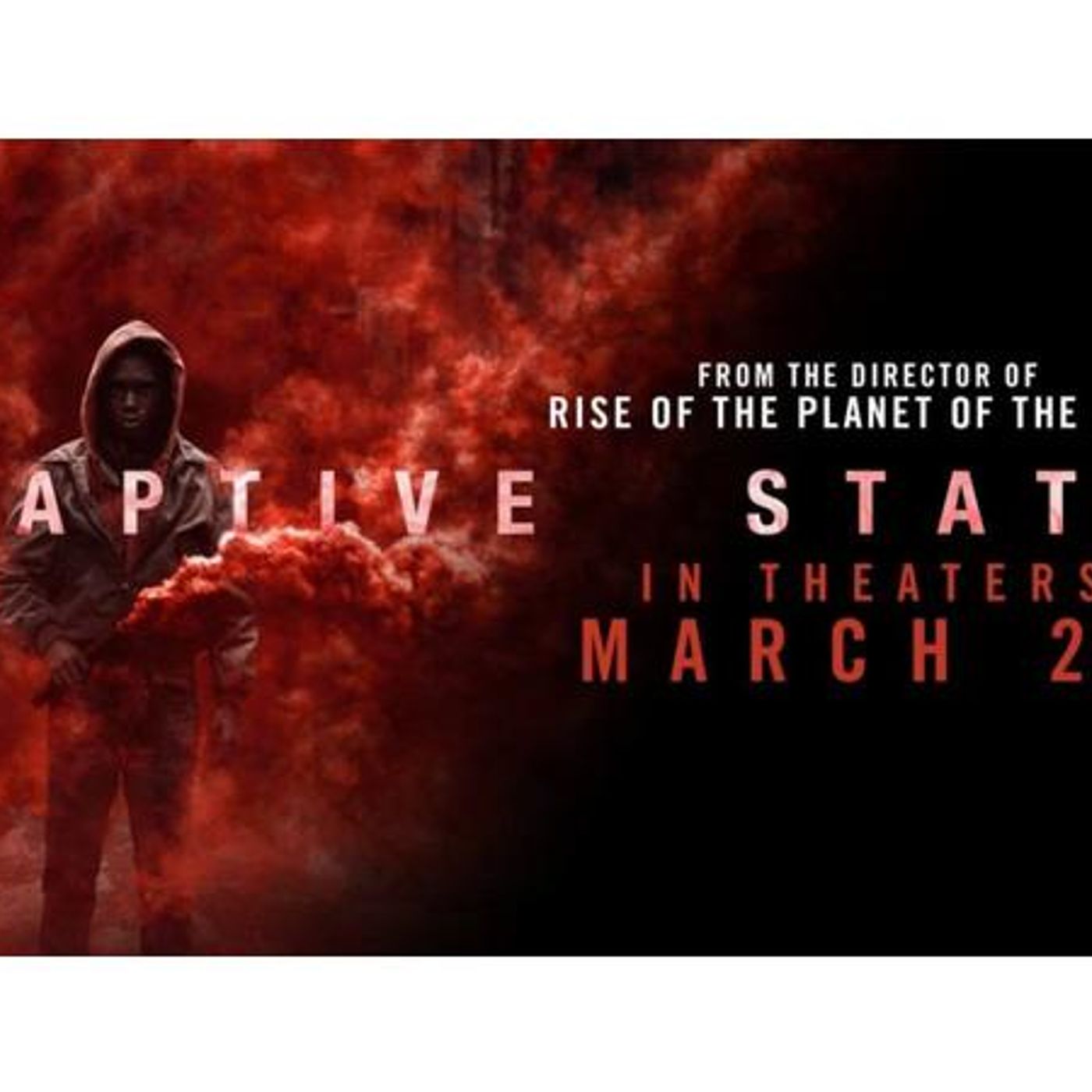
Science fiction emerged nearly 300 years ago during a time of great advances in science. Since then authors have tried to make sense of their world.Post-apocalyptic societies, alien invasions, robots and environmental catastrophes have all played out in this genre which is still popular today. 1726-Gulliver's Travels: Early science fiction Lemuel Gulliver, encounters utopian and dystopian societies /1818 Frankenstein, or the Modern Prometheus: Mary Shelley’s warning Mary Shelley tells the story of Victor Frankenstein who engineers a living creature in a monstrous experiment. religious pre-Victorian age, suggesting a scientist could challenge God by trying to create human life was profoundly shocking.1870 Twenty Thousand Leagues Under the Sea: Exploration of the unknown Verne’s tale of the despotic Captain Nemo and his undersea adventures on the Nautilus inspires real scientific development. Jacques Cousteau later claim him to be inspirational to their achievements.1895 The Time Machine: A brand new concept 1987Dawn: Exploring race issues Dawn is the first novel in Octavia E Butler’s Xenogenesis trilogy (1987 – 1989).This novel examines racial difference in a tale of the alien Oankali who attempt to rescue humanity’s final survivors after a nuclear holocaust'.1993 Red Mars: Reimagining utopia This trilogy breathes new life into science fiction in the 1990s. 2020 CAPTIVE STATE tells the story set in the near future several years after aliens have taken control of our planet. Having us subjugated humans do their bidding.Become a supporter of this podcast: https://www.spreaker.com/podcast/o-ye-drybones-archive--6500709/support.
What this episode covers
Science fiction emerged nearly 300 years ago during a time of great advances in science. Since then authors have tried to make sense of their world.Post-apocalyptic societies, alien invasions, robots and environmental catastrophes have all played out in this genre which is still popular today. 1726-Gulliver's Travels: Early science fiction Lemuel Gulliver, encounters utopian and dystopian societies /1818 Frankenstein, or the Modern Prometheus: Mary Shelley’s warning Mary Shelley tells the story of Victor Frankenstein who engineers a living creature in a monstrous experiment. religious pre-Victorian age, suggesting a scientist could challenge God by trying to create human life was profoundly shocking.1870 Twenty Thousand Leagues Under the Sea: Exploration of the unknown Verne’s tale of the despotic Captain Nemo and his undersea adventures on the Nautilus inspires real scientific development. Jacques Cousteau later claim him to be inspirational to their achievements.1895 The Time Machine: A brand new concept 1987Dawn: Exploring race issues Dawn is the first novel in Octavia E Butler’s Xenogenesis trilogy (1987 – 1989).This novel examines racial difference in a tale of the alien Oankali who attempt to rescue humanity’s final survivors after a nuclear holocaust'.1993 Red Mars: Reimagining utopia This trilogy breathes new life into science fiction in the 1990s. 2020 CAPTIVE STATE tells the story set in the near future several years after aliens have taken control of our planet. Having us subjugated humans do their bidding.Become a supporter of this podcast: https://www.spreaker.com/podcast/o-ye-drybones-archive--6500709/support.
NOW PLAYING
The Helios Biblios Hour : SCI-FI Is-RaEl w/special guest Jeff Carroll
No transcript for this episode yet
Similar Episodes
No similar episodes found.
Similar Podcasts
No similar podcasts found.