
EPISODE · Oct 15, 2017 · 2H 35M
The Helios Biblios Hour : The Best Kept SLAVES our in AMERICA !
from O YE DRYBONES (FEB 2019 - JAN 2025) · host DRYBONES
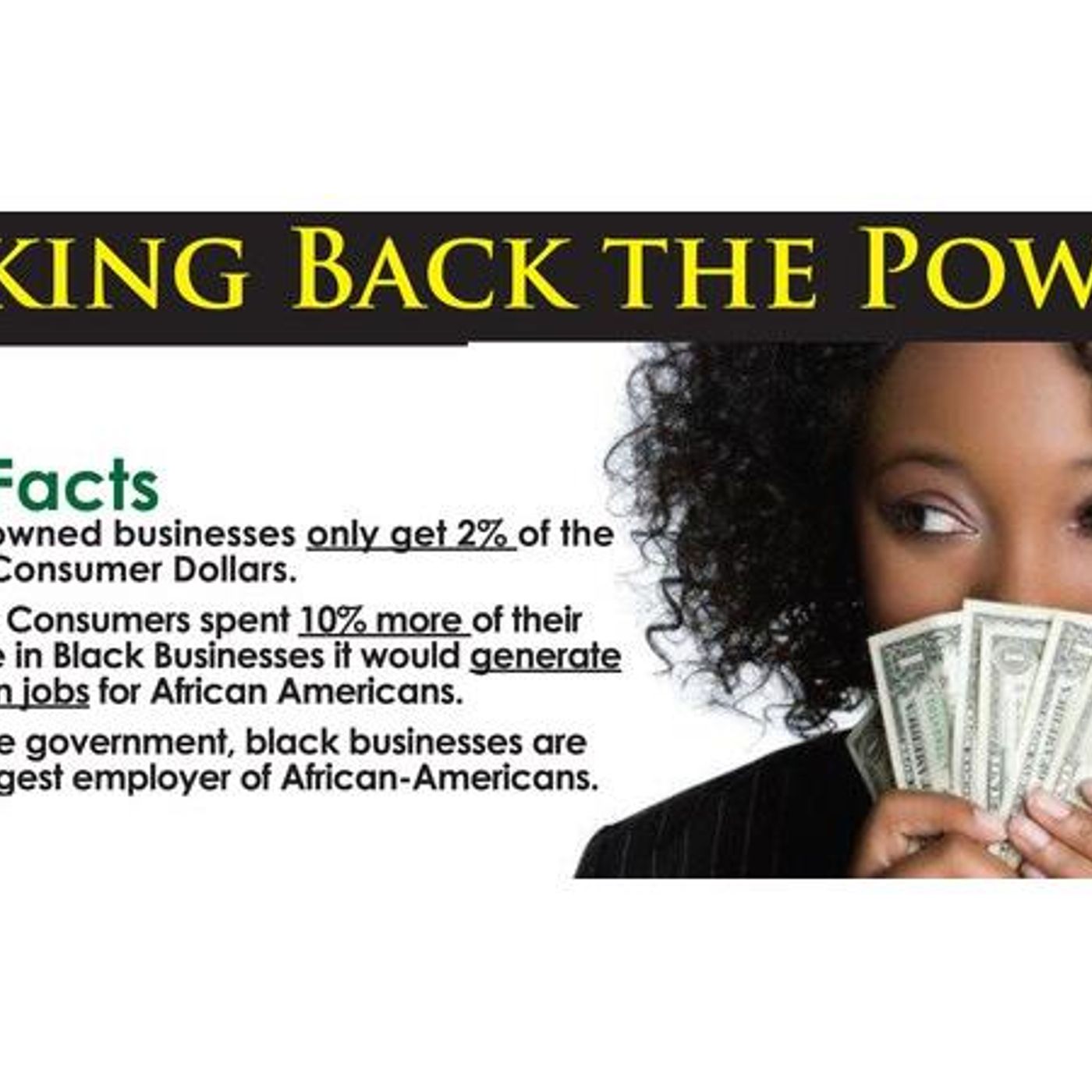
The U.S. stands head and shoulders above the rest of the world. More than half (56%) of Americans were high income by the global standard, living on more than $50 per day in 2011, the latest year that could be analyzed with the available data. Another 32% were upper-middle income. In other words, almost nine-in-ten Americans had a standard of living that was above the global middle-income standard. Only 7% of people in the U.S. were middle income, 3% were low income and 2% were poor. Compare that with the rest of the world, where 13% of people globally could be considered middle income in 2011. Most people in the world were either low income (56%) or poor (15%), and relatively few were upper-middle income (9%) or high income (7%). This means that many Americans who are poor by the U.S. standard would be middle income by the global standard, living on more than $10 per day. As it turns out, the $10 threshold is close to the median daily per capita income of U.S. households (officially) living in poverty: $11.45 in 2011. A new report from Nielsen, “The Increasingly Affluent, Educated and Diverse,” explores the “untold story” of African-American consumers, particularly Black households earning $75,000 or more per year. According to the report, Black people in this segment are growing faster in size and influence than whites in all income groups above $60,000. As The Atlantic notes, Black buying power is expected to reach $1.2 trillion this year, and $1.4 trillion by 2020, according to the University of Georgia’s Selig Center for Economic Growth. In the 21st century, many blacks still don’t possess bank accounts, but instead rely on check cashing services, prepaid debit cards, and those alike. And living an “all cash” lifestyle allows for more spending and less saving. Of the $75 billion spent on television, magazine, internet, and radio advertising.Become a supporter of this podcast: https://www.spreaker.com/podcast/o-ye-drybones-archive--6500709/support.
What this episode covers
The U.S. stands head and shoulders above the rest of the world. More than half (56%) of Americans were high income by the global standard, living on more than $50 per day in 2011, the latest year that could be analyzed with the available data. Another 32% were upper-middle income. In other words, almost nine-in-ten Americans had a standard of living that was above the global middle-income standard. Only 7% of people in the U.S. were middle income, 3% were low income and 2% were poor. Compare that with the rest of the world, where 13% of people globally could be considered middle income in 2011. Most people in the world were either low income (56%) or poor (15%), and relatively few were upper-middle income (9%) or high income (7%). This means that many Americans who are poor by the U.S. standard would be middle income by the global standard, living on more than $10 per day. As it turns out, the $10 threshold is close to the median daily per capita income of U.S. households (officially) living in poverty: $11.45 in 2011. A new report from Nielsen, “The Increasingly Affluent, Educated and Diverse,” explores the “untold story” of African-American consumers, particularly Black households earning $75,000 or more per year. According to the report, Black people in this segment are growing faster in size and influence than whites in all income groups above $60,000. As The Atlantic notes, Black buying power is expected to reach $1.2 trillion this year, and $1.4 trillion by 2020, according to the University of Georgia’s Selig Center for Economic Growth. In the 21st century, many blacks still don’t possess bank accounts, but instead rely on check cashing services, prepaid debit cards, and those alike. And living an “all cash” lifestyle allows for more spending and less saving. Of the $75 billion spent on television, magazine, internet, and radio advertising.Become a supporter of this podcast: https://www.spreaker.com/podcast/o-ye-drybones-archive--6500709/support.
NOW PLAYING
The Helios Biblios Hour : The Best Kept SLAVES our in AMERICA !
No transcript for this episode yet
Similar Episodes
No similar episodes found.
Similar Podcasts
No similar podcasts found.