
EPISODE · Mar 17, 2019 · 2H 2M
The Helios Biblios Hour : The Green Book /what Happen
from O YE DRYBONES (FEB 2019 - JAN 2025) · host DRYBONES
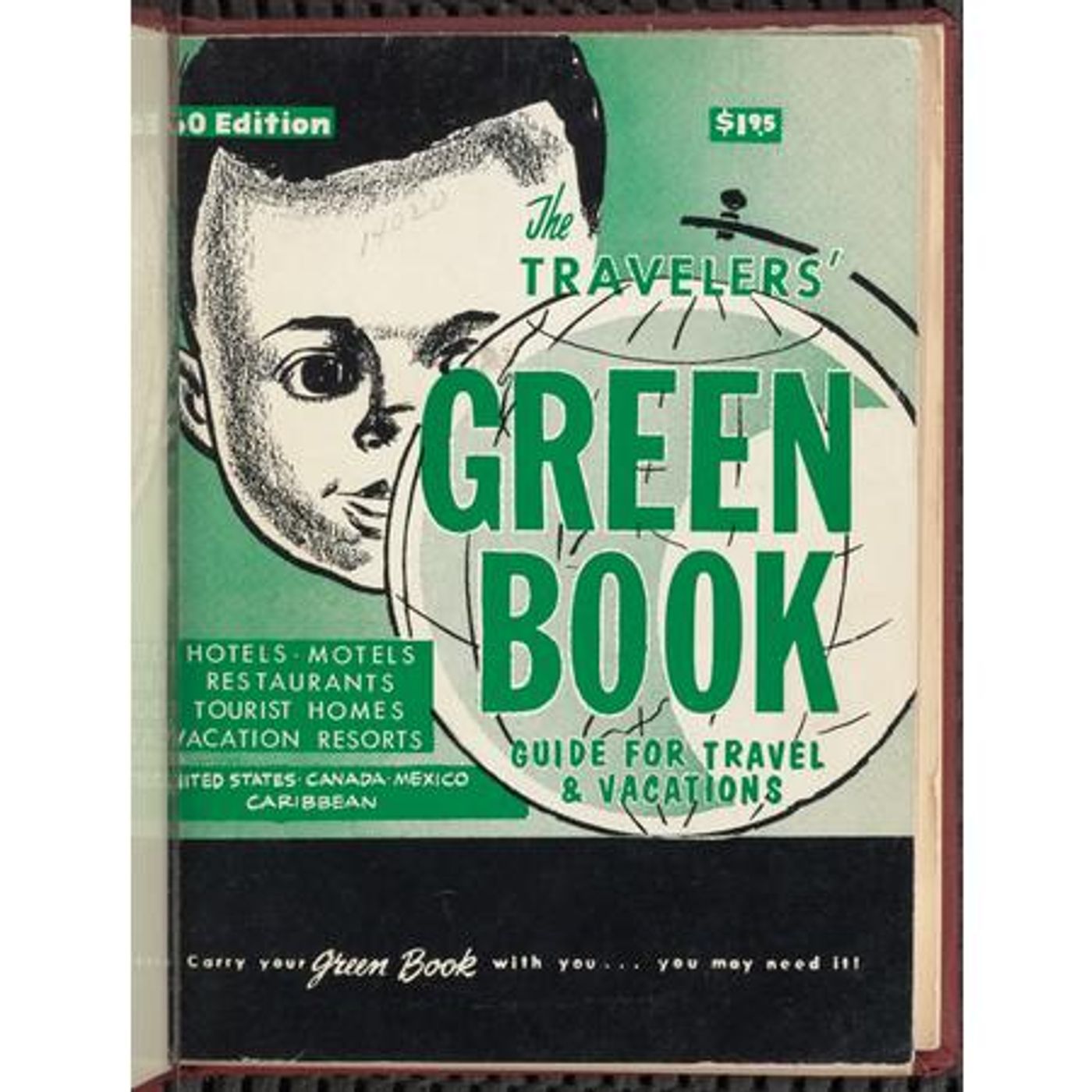
In 1956, the year that federal funding made the Interstate Highway System possible, Jim Crow was still the law of the land. In the South, racial segregation was enforced by law — and had been since shortly after Reconstruction. In many parts of the North, the codes were enforced in practice. This reality made cross-country trips complicated, and sometimes even perilous, for black travelers. Some African-American tourists would drive all night instead of trying to find lodging in an unfamiliar and possibly dangerous town. They would pack picnics so they could avoid stopping at restaurants that might refuse to serve them. Some people would even carry portable toilets in the trunks of their cars, knowing there was a good chance they would be turned away from roadside restrooms. But in 1936, a man named Victor Hugo Green started a travel guide to make life on the road easier and safer for black motorists. The guide listed, state by state, the restaurants, hotels, service stations, and other businesses that would welcome African-American travelers. Green called it “The Negro Motorist Green Book,” or “The Green Book,” for short. As the Green Book caught on, businesses began to get in touch, asking to be listed. Black newspapers signed on as sponsors.Esso, also known as Standard Oil, and now known as ExxonMobil. The company may have supported the guide out of a sense of fairness and equality. John D. Rockefeller, who founded Standard Oil in 1870, had married into a family of abolitionists and voted for Abraham Lincoln. But there were certainly economic motivators as well. If African-American tourists felt comfortable on the road, they would travel more and buy more gas. The Green Book would come to feature listings across all 50 states as well as locations in Canada, Mexico, and the Caribbean.Become a supporter of this podcast: https://www.spreaker.com/podcast/o-ye-drybones-archive--6500709/support.
What this episode covers
In 1956, the year that federal funding made the Interstate Highway System possible, Jim Crow was still the law of the land. In the South, racial segregation was enforced by law — and had been since shortly after Reconstruction. In many parts of the North, the codes were enforced in practice. This reality made cross-country trips complicated, and sometimes even perilous, for black travelers. Some African-American tourists would drive all night instead of trying to find lodging in an unfamiliar and possibly dangerous town. They would pack picnics so they could avoid stopping at restaurants that might refuse to serve them. Some people would even carry portable toilets in the trunks of their cars, knowing there was a good chance they would be turned away from roadside restrooms. But in 1936, a man named Victor Hugo Green started a travel guide to make life on the road easier and safer for black motorists. The guide listed, state by state, the restaurants, hotels, service stations, and other businesses that would welcome African-American travelers. Green called it “The Negro Motorist Green Book,” or “The Green Book,” for short. As the Green Book caught on, businesses began to get in touch, asking to be listed. Black newspapers signed on as sponsors.Esso, also known as Standard Oil, and now known as ExxonMobil. The company may have supported the guide out of a sense of fairness and equality. John D. Rockefeller, who founded Standard Oil in 1870, had married into a family of abolitionists and voted for Abraham Lincoln. But there were certainly economic motivators as well. If African-American tourists felt comfortable on the road, they would travel more and buy more gas. The Green Book would come to feature listings across all 50 states as well as locations in Canada, Mexico, and the Caribbean.Become a supporter of this podcast: https://www.spreaker.com/podcast/o-ye-drybones-archive--6500709/support.
NOW PLAYING
The Helios Biblios Hour : The Green Book /what Happen
No transcript for this episode yet
Similar Episodes
No similar episodes found.
Similar Podcasts
No similar podcasts found.