
EPISODE · Jun 25, 2026 · 55 MIN
The Mind’s Escape Hatch: How Dissociation Kept Humanity Alive
from The Hypothesis · host 128596915
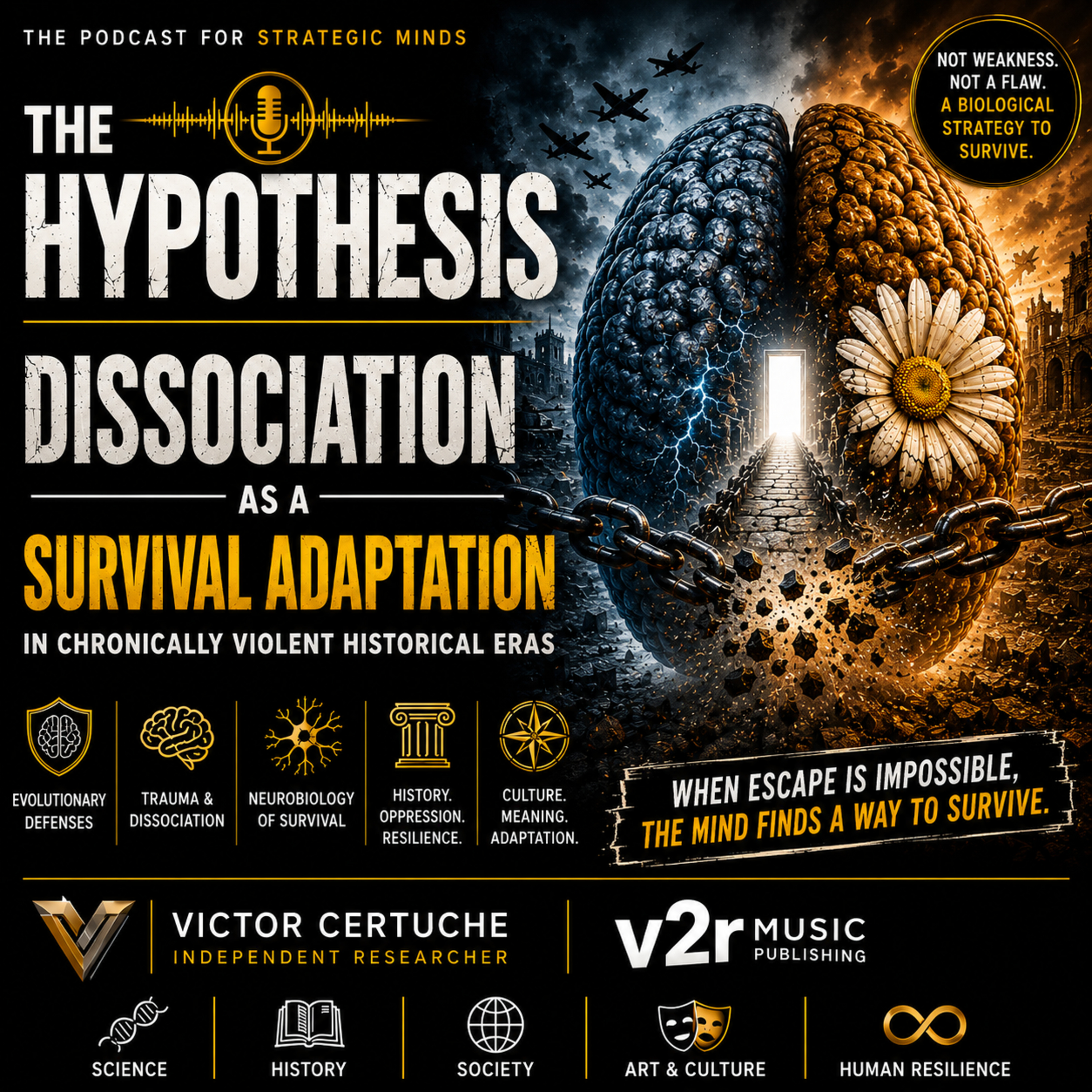
Why does the human mind "check out" when the world gets too dark?In this episode, we challenge the modern clinical framing of dissociation as a psychological defect or disorder, reframing it instead as one of the most brilliant, evolutionarily prepared survival programs hard-wired into the mammalian brain.When active fight-or-flight defenses fail, the brain deploys an ancient "shut-down" mechanism—an endogenous chemical shield that numbs physical pain, distorts time, and detaches the conscious self from intolerable terror. We journey back through the darkest chapters of human history to show how this cognitive anesthetic was not a malfunction, but a mandatory baseline for human survival:We explore how communities processed the apocalyptic devastation of the Thirty Years' War through spiritualized detachment.We look at the bizarre "dancing plagues" of the Middle Ages, where traumatized populations escaped catastrophic floods and epidemics through mass psychogenic trances.We examine the literary defense mechanisms born out of the sensory overload of trench warfare in World War Iand Boccaccio's storytelling retreat from the Black Death.We analyze how the mind adapts to the chronic, ambient trauma of poverty and generational, systemic subjugation.If we survived history's worst atrocities by learning to "unsee" reality, what does that mean for us today in our own "Age of Dissociation"? Tune in to discover why the capacity to detach is not a brain gone wrong, but a brain gone right—the ultimate evolutionary mechanism of human resilience.
Embed this episode
NOW PLAYING
The Mind’s Escape Hatch: How Dissociation Kept Humanity Alive
No transcript for this episode yet
Similar Episodes
No similar episodes found.
Similar Podcasts
No similar podcasts found.