
EPISODE · Feb 15, 2024 · 36 MIN
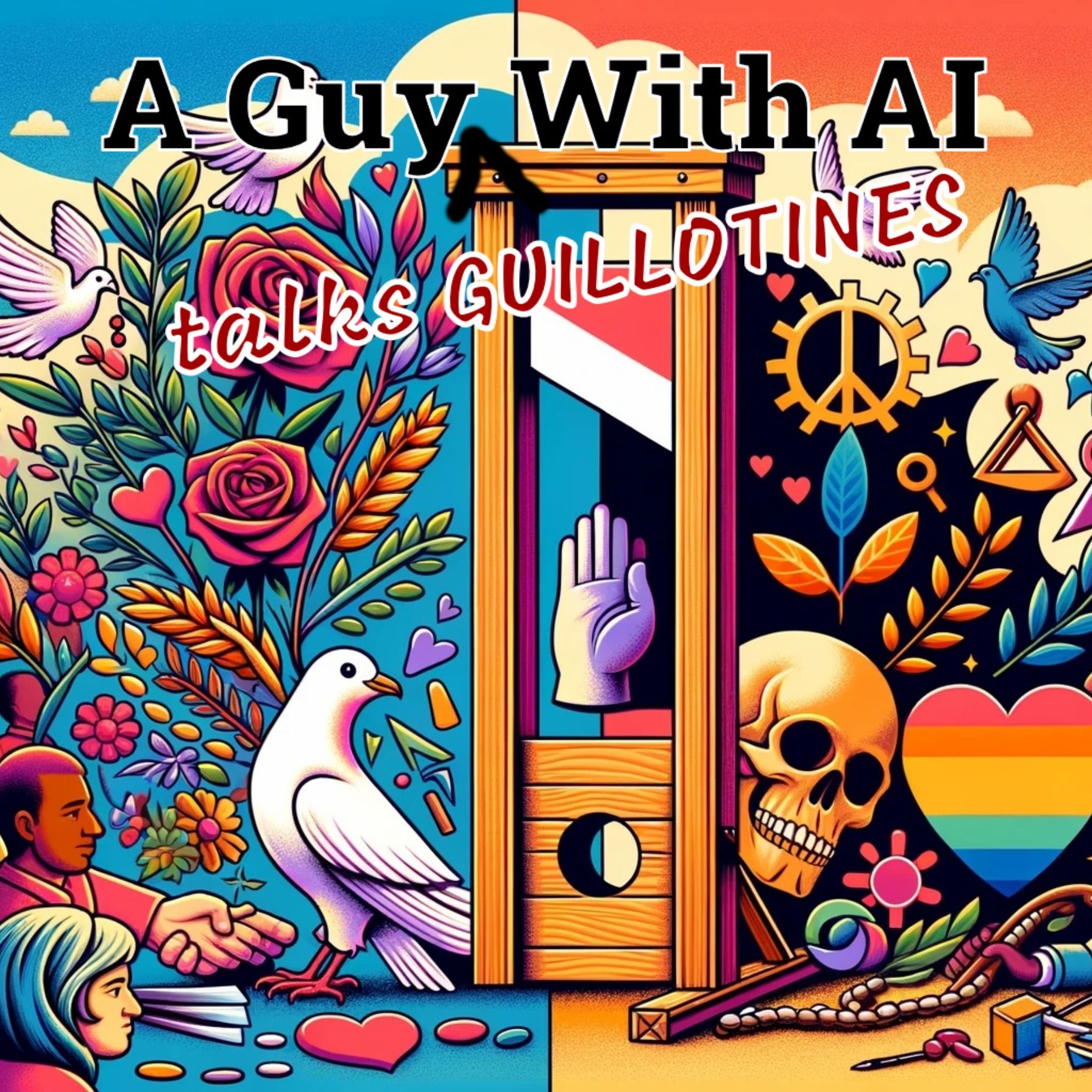
The Morality of Guillotines
from A Guy With AI · host Sean MacNutt
(00:03) The Moral Complexity of the Guillotine(10:14) The Balance Between Justice and Nonviolence(23:21) Ethics of Punishment and Symbolic Protests (00:03) The Moral Complexity of the Guillotine This chapter, I, Sean MacNutt, along with my AI co-host from OpenAI's GPT 4 API, explore the moral complexities surrounding the use of violent symbols, specifically the guillotine, in addressing social injustices. We examine the guillotine's historical role in the French Revolution and its enduring representation as a tool of equality in death and a response to corruption. I discuss the ethical considerations of invoking such imagery in modern discourse, questioning whether it signifies a call for radical change or a regression to barbarism. Together, we consider how the past informs our present views on justice, accountability, and human rights, engaging our listeners in a thought-provoking examination of whether extreme measures can ever be justified in the quest to rectify societal wrongs. (10:14) The Balance Between Justice and Nonviolence This chapter we explore the balance between the desire for immediate retributive justice and the pursuit of long-term societal reform based on non-violent principles. I discuss the potential harm in using violent symbols or actions as tools for social change, suggesting that it may perpetuate the very cycles of violence we aim to dismantle. Reflecting on the principle that violence begets violence, I argue for empathy, dialogue, and systemic reform as means to address societal wrongs and move towards sustainable peace. We consider the complex moral landscape surrounding justice and non-violence, emphasizing the need for systems that are just, equitable, and humane, and that prioritize accountability and restoration over mere punishment. This conversation recognizes the suffering that calls for justice while advocating for ethical frameworks that can guide our society to a more hopeful future without repeating the violent tactics of its past. (23:21) Ethics of Punishment and Symbolic Protests This chapter examines the complexities of administering justice to despotic leaders, reflecting on the principles of human dignity, the multifaceted role of justice, and the importance of rehabilitation and societal reform. I consider whether certain individuals are beyond reform, discussing the ethical implications and legal principles that argue against inhumane punishment and for the potential for change in everyone. The conversation shifts to a comparison between the use of guillotine imagery and the act of burning someone in effigy, noting how both serve as potent symbols of public dissent against oppressive power. The guillotine is linked with historical finality and the power of the people during the French Revolution, while burning in effigy represents symbolic rejection and a collective catharsis against figures of authority. Through this analysis, I underscore the societal impact of these symbols and their significance in expressing a desire for justice and change. Facebook PageYouTube ChannelInstagramPayPal
What this episode covers
Join me, Sean MacNutt, and my astute AI companion from OpenAI's GPT 4 API, as we navigate the turbulent waters of moral philosophy and historical context in our latest podcast. Together, we tackle the enduring enigma of the guillotine, not just as a relic of the French Revolution, but as a provocative emblem of justice and retribution in today's conversations about social injustice. Listen in as we probe the ethical quandaries of utilizing such charged imagery, pondering whether it signals a desperate cry for societal upheaval or a perilous slip back into savagery. This is not just a retrospective on bygone tools of execution; it's a vibrant discussion about how our historical narratives shape our contemporary quests for justice and the ramifications they have on our shared humanity. Our conversation takes a compelling turn as we explore the precarious tightrope walk between the thirst for immediate, retributive justice and the long march toward societal change grounded in non-violence. We reflect on the potentially destructive effects of violent symbols and actions as catalysts for change, debating whether they reinforce the very cycles of violence we aim to break. As we analyze the potent symbolism of both the guillotine and effigy burnings, we delve into the heart of justice, dignity, and the possibility of redemption, even for those who have committed heinous acts. Tune in for a provocative examination that honors the cries for justice while championing ethical frameworks that aspire to guide us to a more peaceful and hopeful future without repeating the brutal tactics of our past.
NOW PLAYING
The Morality of Guillotines
No transcript for this episode yet
Similar Episodes
Mar 26, 2026 ·1m
Jan 2, 2026 ·47m
Dec 21, 2025 ·46m