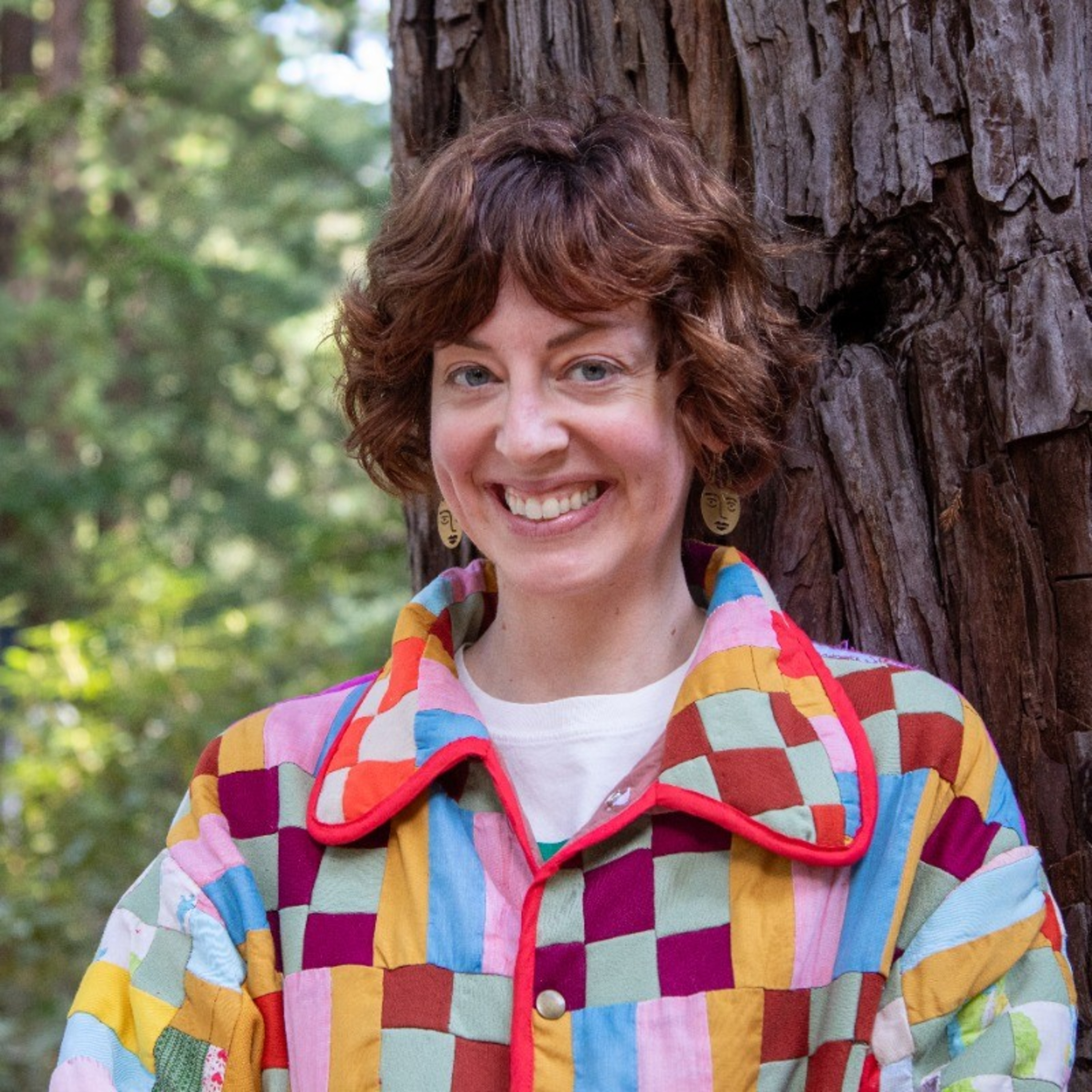
The Opposite of Cheating (Season 2) Episode 61: Jessa Kirk episode artwork

EPISODE · May 18, 2026 · 32 MIN

The Opposite of Cheating (Season 2) Episode 61: Jessa Kirk

from The Opposite of Cheating · host Drs. Tricia Bertram Gallant & David Rettinger

"We don't all have to embrace AI as many of us are being told to. But we should be prepared to consider different perspectives and change the way that we're doing things if we're finding that something's not working.""You might think that you're being kind by bending the rules for a student when actually that's modeling something that you don't want your students to do."In this 61st episode of The Opposite of Cheating Podcast, David sits down with Jessa Kirk, Education Specialist in the Academic Integrity Office at UC Santa Cruz, to talk about what happens when you treat students found responsible for misconduct not as problems to process but as people to connect with. Jessa brings a decade of K-12 teaching experience at a small independent school, where a formative incident with a ninth grader who submitted her brother's paper set her on a path toward building fair, repeatable systems for responding to academic dishonesty. At UCSC, she's designed a suite of educational interventions — an integrity tutorial with required in-person peer educator meetings, a quarter-long integrity mentorship for more serious cases, and a brand-new integrity seminar that replaces suspension — all grounded in human connection over compliance. She describes watching students walk into the first seminar meeting tense and clutching their backpacks, and by the fifth meeting laughing, staying after to say thank you. Throughout the conversation, Jessa makes a passionate case for prioritizing in-person communication, noting that K-12 teachers are sounding the alarm about students struggling with basic interpersonal skills — and that higher ed needs to prepare for the students it's about to receive. Her advice to faculty: put away the devices, make space for real conversation, and remember that students are hungry for it even when they don't know how to ask.You can learn more about UCSC's Academic Integrity Office at https://undergraduate.ucsc.edu/our-units/academic-integrity-office/ and follow Jessa on LinkedIn at https://www.linkedin.com/in/jessa-kirk-50368a4b/(Disclaimer: episode quotes and summary were created using YouTube's transcript and Claude and edited by a human. Any errors are the responsibility of the human.)

"We don't all have to embrace AI as many of us are being told to. But we should be prepared to consider different perspectives and change the way that we're doing things if we're finding that something's not working.""You might think that you're being kind by bending the rules for a student when actually that's modeling something that you don't want your students to do."In this 61st episode of The Opposite of Cheating Podcast, David sits down with Jessa Kirk, Education Specialist in the Academic Integrity Office at UC Santa Cruz, to talk about what happens when you treat students found responsible for misconduct not as problems to process but as people to connect with. Jessa brings a decade of K-12 teaching experience at a small independent school, where a formative incident with a ninth grader who submitted her brother's paper set her on a path toward building fair, repeatable systems for responding to academic dishonesty. At UCSC, she's designed a suite of educational interventions — an integrity tutorial with required in-person peer educator meetings, a quarter-long integrity mentorship for more serious cases, and a brand-new integrity seminar that replaces suspension — all grounded in human connection over compliance. She describes watching students walk into the first seminar meeting tense and clutching their backpacks, and by the fifth meeting laughing, staying after to say thank you. Throughout the conversation, Jessa makes a passionate case for prioritizing in-person communication, noting that K-12 teachers are sounding the alarm about students struggling with basic interpersonal skills — and that higher ed needs to prepare for the students it's about to receive. Her advice to faculty: put away the devices, make space for real conversation, and remember that students are hungry for it even when they don't know how to ask.You can learn more about UCSC's Academic Integrity Office at https://undergraduate.ucsc.edu/our-units/academic-integrity-office/ and follow Jessa on LinkedIn at https://www.linkedin.com/in/jessa-kirk-50368a4b/(Disclaimer: episode quotes and summary were created using YouTube's transcript and Claude and edited by a human. Any errors are the responsibility of the human.)

NOW PLAYING

The Opposite of Cheating (Season 2) Episode 61: Jessa Kirk

0:00 32:33

No transcript for this episode yet

We transcribe on demand. Request one and we'll notify you when it's ready — usually under 10 minutes.

No similar episodes found.

No similar podcasts found.

Frequently Asked Questions

How long is this episode of The Opposite of Cheating?

This episode is 32 minutes long.

When was this The Opposite of Cheating episode published?

This episode was published on May 18, 2026.

What is this episode about?

"We don't all have to embrace AI as many of us are being told to. But we should be prepared to consider different perspectives and change the way that we're doing things if we're finding that something's not working.""You might think that you're...

Can I download this The Opposite of Cheating episode?

Yes, you can download this episode by clicking the download button on the episode player, or subscribe to the podcast in your preferred podcast app for automatic downloads.
URL copied to clipboard!