
EPISODE · Mar 23, 2026 · 25 MIN
The OPTISMILE Podcast 100 - Maryland Bridges - The Conservative Replacement
from eRadio SA
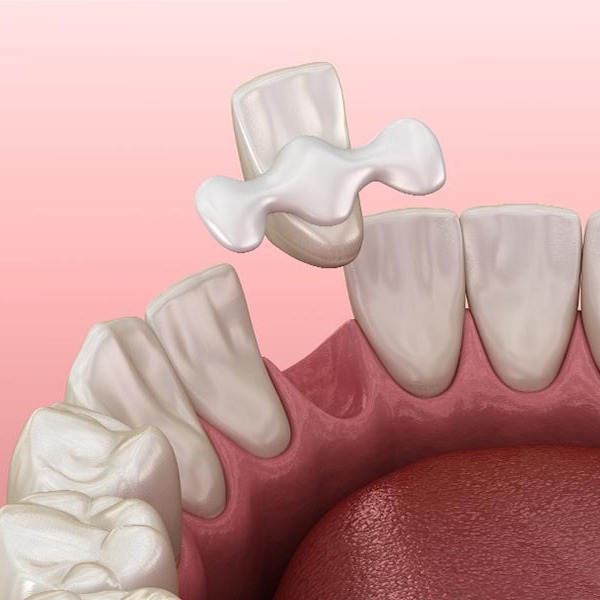
In Episode 100 of Save Your Money, Save Your Teeth, Eon Engelbrecht speaks with Dr Clifford Yudelman about Maryland Bridges, a conservative option for replacing a missing tooth without heavily drilling the neighbouring teeth. The discussion explains how these bonded bridges work, why they are often ideal for younger patients, how they compare with implants, and why they fit so well with a minimal intervention philosophy. 10 Questions with Summary Answers1. (1:23) What is a Maryland Bridge and how is it different from a traditional bridge?A Maryland Bridge is a resin-bonded bridge that replaces a missing tooth by attaching a replacement tooth to one or sometimes two neighbouring teeth using thin bonded wings. Unlike a traditional bridge, it usually avoids grinding down healthy adjacent teeth into full crown preparations.2. (4:49) Why is it called a minimal intervention option?Because it aims to solve the problem while removing little or no healthy tooth structure. Dr Yudelman explains that preserving enamel keeps future options open and reduces the destructive repair cycle that follows more aggressive dentistry.3. (6:00) Does a Maryland Bridge require drilling the neighbouring teeth as well?Usually very little, and often none of significance. In many modern cases, especially for upper lateral incisors, only a very minor enamel preparation or locating dimple may be needed, and some cases are bonded with a single wing rather than two.4. (8:29) How strong is it? Can you bite into an apple with one?When properly designed and bonded, it can be surprisingly strong. It is not meant to take the same forces as a natural tooth or an implant, but for normal front-tooth function, speaking, smiling, and many everyday foods, it can perform very well.5. (9:24) Why is it a good option for teenagers who are too young for implants?Because implants should generally wait until jaw growth is complete. A Maryland Bridge can restore appearance and function during the teenage years without locking the patient into an irreversible treatment too early.6. (11:46) What materials are used? Is it metal or porcelain?Historically, these bridges were often made with metal wings. Dr Yudelman now prefers zirconia in many cases because it is strong, can be made very thin, and gives a more aesthetic result without the grey shine-through that older metal designs could cause.7. (14:10) What happens if it falls out? Is it a dental emergency?Usually it is not a destructive failure. If it de-bonds, it can often be cleaned and re-bonded with little or no damage to the supporting teeth. It may still feel like a cosmetic emergency for the patient, especially if it is a front tooth.8. (19:21) How does the cost compare to a dental implant?It is generally quite a lot less expensive because it avoids surgery and implant component costs. Dr Yudelman stresses, though, that the decision should not be based on cost alone. Biology, case suitability, and patient preference matter just as much.9. (20:51) Can a Maryland Bridge be a permanent solution or is it just temporary?It can be either. In some patients it is a temporary solution while they wait for growth to finish or decide on a future implant. In others, it can function successfully for many years and even serve as a long-term or lifetime solution.10. (22:29) Who is the ideal candidate for this type of bridge?The ideal candidate usually has healthy neighbouring teeth with strong enamel, a missing tooth in a lower-pressure area, and a bite that allows proper design without overloading the bridge. It is often particularly suitable for younger patients and those who want to preserve healthy tooth structure.Key TakeawaysA Maryland Bridge is one of the most conservative ways to replace a missing tooth when the case is suitable.It protects healthy neighbouring teeth far better than a traditional full bridge.It is especially useful for younger patients who are not yet ready for implants.Modern zirconia designs can be aesthetic, strong, and minimally invasive.Even when it fails, it often fails in a repairable, non-destructive way.The best choice still depends on bite, enamel quality, age, growth, and long-term goals.OutroThis episode is a strong reminder that replacing one missing tooth does not always mean sacrificing two more. For the right patient, a Maryland Bridge offers a practical, aesthetic, and biologically respectful alternative that keeps future treatment options open while preserving what nature gave you.Further ResourcesHere are five checked, relevant resources for this episode topic:Episode 100 on YouTube: Maryland Bridges - The Conservative Replacementhttps://www.youtube.com/watch?v=qztRlK1nB5U Are Dental Implants Right For Me?https://optismile.co.za/blog/are-dental-implants-right-for-me/ Dental Implants Cape Townhttps://optismile.co.za/dental-solutions/dental-implants/ Missing Teeth Treatment - bridges and implants explainedhttps://optismile.co.za/dental-problems/missing-teeth-2/ Dental Bonding at OptiSmilehttps://optismile.co.za/dental-solutions/dental-bonding/Contact the Best dentist in Cape TownBook your next Dental Checkup with OptiSmileFollow OptiSmile on FacebookDisclaimer: The content provided in this podcast, "Save Your Money Save Your Teeth" on Medical Mondays, is for informational and educational purposes only. It is not intended to serve as dental or medical advice. The insights and opinions expressed by Dr. Clifford Yudelman and any guests are designed to foster a better understanding of dental health, preventive measures, and general well-being, but should not be interpreted as professional dental or medical recommendations. Dr. Clifford Yudelman does not diagnose, treat, or offer prevention strategies for any health conditions directly through this podcast. This platform is not a substitute for the personalized care and advice provided by a licensed dental or healthcare professional. We strongly encourage our listeners to consult with their own dental care providers to address individual dental health needs and concerns. The information shared here aims to empower listeners with knowledge about dental health but must not be used as a basis for making health-related decisions without professional guidance. Your dental care provider is the best source of advice about your dental and overall health. Please always seek the advice of your dentist or other qualified health professionals regarding any questions or concerns about your dental health.
What this episode covers
In Episode 100 of Save Your Money, Save Your Teeth, Eon Engelbrecht speaks with Dr Clifford Yudelman about Maryland Bridges, a conservative option for replacing a missing tooth without heavily drilling the neighbouring teeth. The discussion explains how these bonded bridges work, why they are often ideal for younger patients, how they compare with implants, and why they fit so well with a minimal intervention philosophy. 10 Questions with Summary Answers1. (1:23) What is a Maryland Bridge and how is it different from a traditional bridge?A Maryland Bridge is a resin-bonded bridge that replaces a missing tooth by attaching a replacement tooth to one or sometimes two neighbouring teeth using thin bonded wings. Unlike a traditional bridge, it usually avoids grinding down healthy adjacent teeth into full crown preparations.2. (4:49) Why is it called a minimal intervention option?Because it aims to solve the problem while removing little or no healthy tooth structure. Dr Yudelman explains that preserving enamel keeps future options open and reduces the destructive repair cycle that follows more aggressive dentistry.3. (6:00) Does a Maryland Bridge require drilling the neighbouring teeth as well?Usually very little, and often none of significance. In many modern cases, especially for upper lateral incisors, only a very minor enamel preparation or locating dimple may be needed, and some cases are bonded with a single wing rather than two.4. (8:29) How strong is it? Can you bite into an apple with one?When properly designed and bonded, it can be surprisingly strong. It is not meant to take the same forces as a natural tooth or an implant, but for normal front-tooth function, speaking, smiling, and many everyday foods, it can perform very well.5. (9:24) Why is it a good option for teenagers who are too young for implants?Because implants should generally wait until jaw growth is complete. A Maryland Bridge can restore appearance and function during the teenage years without locking the patient into an irreversible treatment too early.6. (11:46) What materials are used? Is it metal or porcelain?Historically, these bridges were often made with metal wings. Dr Yudelman now prefers zirconia in many cases because it is strong, can be made very thin, and gives a more aesthetic result without the grey shine-through that older metal designs could cause.7. (14:10) What happens if it falls out? Is it a dental emergency?Usually it is not a destructive failure. If it de-bonds, it can often be cleaned and re-bonded with little or no damage to the supporting teeth. It may still feel like a cosmetic emergency for the patient, especially if it is a front tooth.8. (19:21) How does the cost compare to a dental implant?It is generally quite a lot less expensive because it avoids surgery and implant component costs. Dr Yudelman stresses, though, that the decision should not be based on cost alone. Biology, case suitability, and patient preference matter just as much.9. (20:51) Can a Maryland Bridge be a permanent solution or is it just temporary?It can be either. In some patients it is a temporary solution while they wait for growth to finish or decide on a future implant. In others, it can function successfully for many years and even serve as a long-term or lifetime solution.10. (22:29) Who is the ideal candidate for this type of bridge?The ideal candidate usually has healthy neighbouring teeth with strong enamel, a missing tooth in a lower-pressure area, and a bite that allows proper design without overloading the bridge. It is often particularly suitable for younger patients and those who want to preserve healthy tooth structure.Key TakeawaysA Maryland Bridge is one of the most conservative ways to replace a missing tooth when the case is suitable.It protects healthy neighbouring teeth far better than a traditional full bridge.It is especially useful for younger patients who are not yet ready for implants.Modern zirconia designs can be aesthetic, strong, and minimally invasive.Even when it fails, it often fails in a repairable, non-destructive way.The best choice still depends on bite, enamel quality, age, growth, and long-term goals.OutroThis episode is a strong reminder that replacing one missing tooth does not always mean sacrificing two more. For the right patient, a Maryland Bridge offers a practical, aesthetic, and biologically respectful alternative that keeps future treatment options open while preserving what nature gave you.Further ResourcesHere are five checked, relevant resources for this episode topic:Episode 100 on YouTube: Maryland Bridges - The Conservative Replacementhttps://www.youtube.com/watch?v=qztRlK1nB5U Are Dental Implants Right For Me?https://optismile.co.za/blog/are-dental-implants-right-for-me/ Dental Implants Cape Townhttps://optismile.co.za/dental-solutions/dental-implants/ Missing Teeth Treatment - bridges and implants explainedhttps://optismile.co.za/dental-problems/missing-teeth-2/ Dental Bonding at OptiSmilehttps://optismile.co.za/dental-solutions/dental-bonding/Contact the Best dentist in Cape TownBook your next Dental Checkup with OptiSmileFollow OptiSmile on FacebookDisclaimer: The content provided in this podcast, "Save Your Money Save Your Teeth" on Medical Mondays, is for informational and educational purposes only. It is not intended to serve as dental or medical advice. The insights and opinions expressed by Dr. Clifford Yudelman and any guests are designed to foster a better understanding of dental health, preventive measures, and general well-being, but should not be interpreted as professional dental or medical recommendations. Dr. Clifford Yudelman does not diagnose, treat, or offer prevention strategies for any health conditions directly through this podcast. This platform is not a substitute for the personalized care and advice provided by a licensed dental or healthcare professional. We strongly encourage our listeners to consult with their own dental care providers to address individual dental health needs and concerns. The information shared here aims to empower listeners with knowledge about dental health but must not be used as a basis for making health-related decisions without professional guidance. Your dental care provider is the best source of advice about your dental and overall health. Please always seek the advice of your dentist or other qualified health professionals regarding any questions or concerns about your dental health.
NOW PLAYING
The OPTISMILE Podcast 100 - Maryland Bridges - The Conservative Replacement
No transcript for this episode yet