
EPISODE · Feb 7, 2026 · 2H 21M
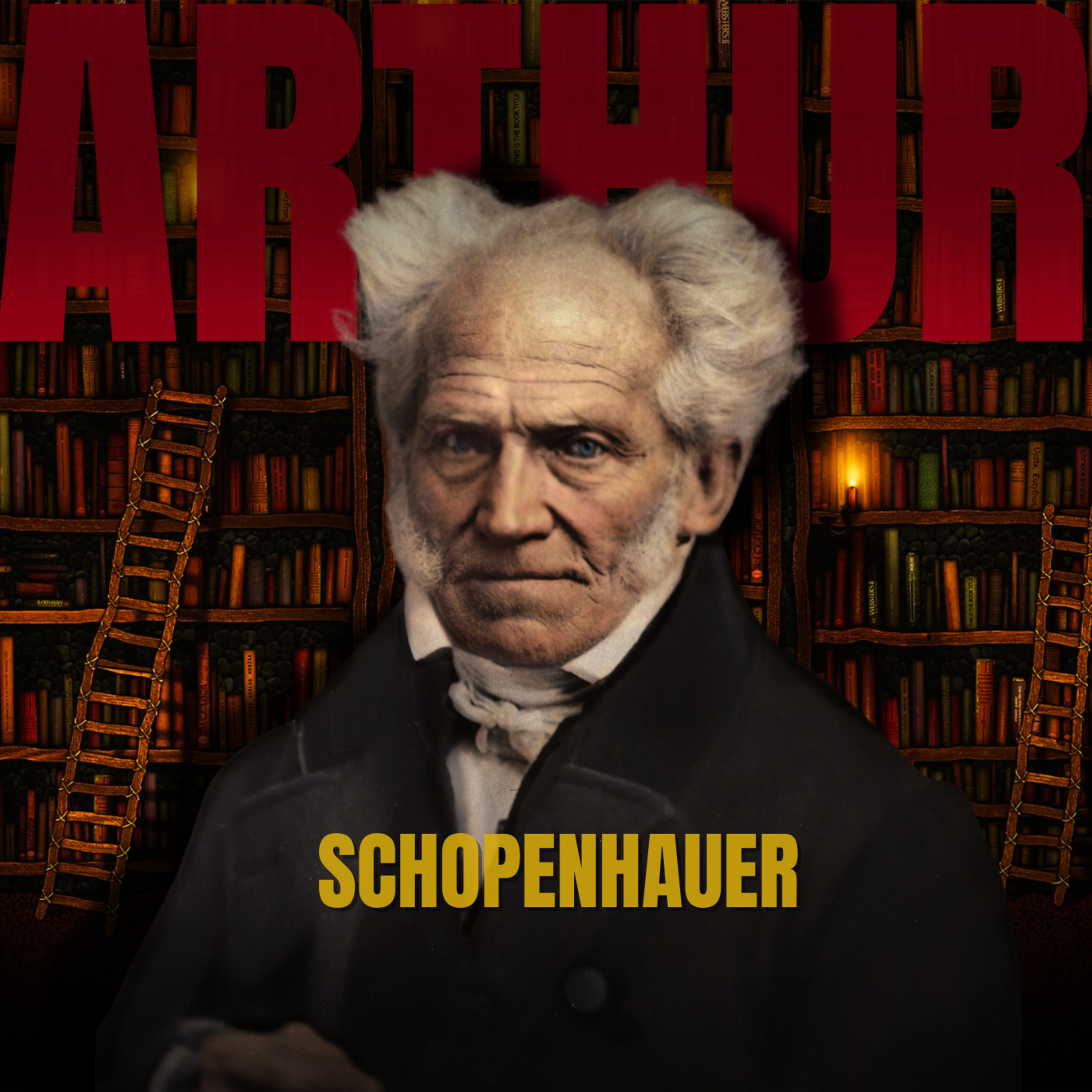
The Philosopher of Pessimism | The Complete Philosophy of Arthur Schopenhauer
from sleepyphilosophyradio · host slphilosophy
Arthur Schopenhauer believed that the capacity to be alone was the truest mark of intellectual and spiritual development. For him, solitude was not merely the absence of others but the presence of oneself. Only those who had cultivated a rich inner life could truly bear their own company.This three-hour exploration examines Schopenhauer's philosophy of solitude from the ground up. We trace his life from the merchant's son in Danzig, through his father's death, his failed academic career, and his decades as a solitary hermit in Frankfurt. Then we enter his philosophy: the blind Will that drives all existence, the pendulum of pain and boredom, and why most people cannot bear to be alone with themselves. Finally we examine his answers, art, contemplation, the denial of the Will, and the practical wisdom he offered those who chose to remain in the world.Schopenhauer was a pessimist. He did not believe life was good. But he found ways to make it bearable. His philosophy offers not comfort but clarity. For those who have already seen through the cheerful lies, clarity may be the only honest comfort left.CHAPTERS00:00:00 The Room00:07:25 The Merchant's Son00:15:44 The Failed Professor00:24:29 The Hermit of Frankfurt00:34:38 The World as Will00:42:33 The Pendulum of Pain00:51:41 Other People01:00:38 Boredom and the Inner Void01:09:48 Art as Escape01:18:41 Contemplation and the Pure Subject01:28:06 The Denial of the Will01:38:18 Practical Wisdom01:49:06 The Rewards of Solitude01:58:50 The Dangers of Solitude02:08:53 A Life Worth Living AloneSupport Sleepy Philosophy Radio and get early access to new episodes:https://creators.spotify.com/pod/profile/sleepyphilo/subscribePlease listen only in safe, restful contexts.
What this episode covers
Arthur Schopenhauer believed that the capacity to be alone was the truest mark of intellectual and spiritual development. For him, solitude was not merely the absence of others but the presence of oneself. Only those who had cultivated a rich inner life could truly bear their own company.This three-hour exploration examines Schopenhauer's philosophy of solitude from the ground up. We trace his life from the merchant's son in Danzig, through his father's death, his failed academic career, and his decades as a solitary hermit in Frankfurt. Then we enter his philosophy: the blind Will that drives all existence, the pendulum of pain and boredom, and why most people cannot bear to be alone with themselves. Finally we examine his answers, art, contemplation, the denial of the Will, and the practical wisdom he offered those who chose to remain in the world.Schopenhauer was a pessimist. He did not believe life was good. But he found ways to make it bearable. His philosophy offers not comfort but clarity. For those who have already seen through the cheerful lies, clarity may be the only honest comfort left.CHAPTERS00:00:00 The Room00:07:25 The Merchant's Son00:15:44 The Failed Professor00:24:29 The Hermit of Frankfurt00:34:38 The World as Will00:42:33 The Pendulum of Pain00:51:41 Other People01:00:38 Boredom and the Inner Void01:09:48 Art as Escape01:18:41 Contemplation and the Pure Subject01:28:06 The Denial of the Will01:38:18 Practical Wisdom01:49:06 The Rewards of Solitude01:58:50 The Dangers of Solitude02:08:53 A Life Worth Living AloneSupport Sleepy Philosophy Radio and get early access to new episodes:https://creators.spotify.com/pod/profile/sleepyphilo/subscribePlease listen only in safe, restful contexts.
NOW PLAYING
The Philosopher of Pessimism | The Complete Philosophy of Arthur Schopenhauer
No transcript for this episode yet
Similar Episodes
No similar episodes found.
Similar Podcasts
No similar podcasts found.