
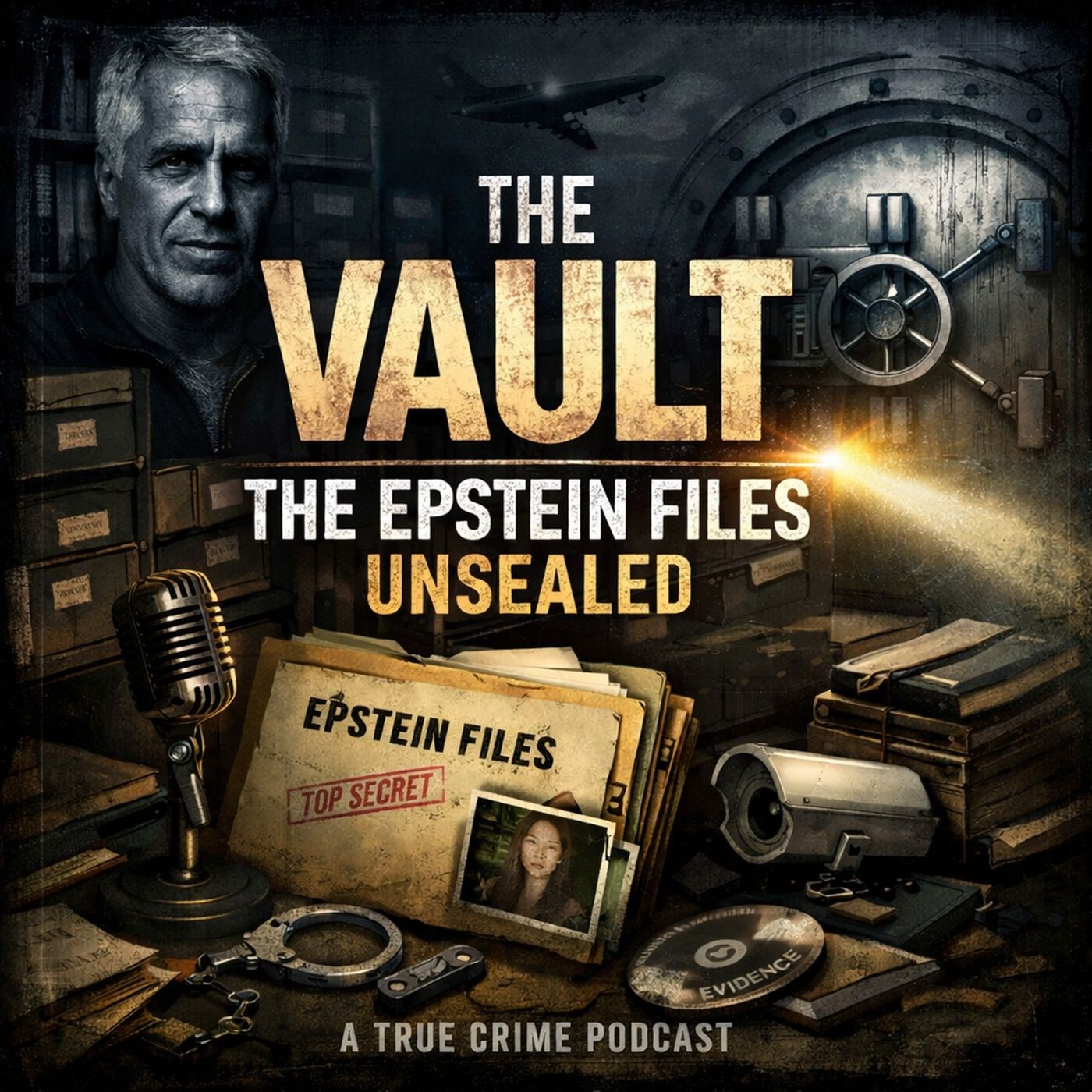
EPISODE · May 27, 2026 · 15 MIN
The Psychology Department At The MCC And Their Narrative About Epstein's Demise (Part 3) (5/27/26)
from The Vault: The Epstein Files · host Bobby Capucci
This is a Bureau of Prisons psychological reconstruction of Jeffrey Epstein’s death at MCC New York, prepared after his August 10, 2019 death. It lays out Epstein’s background, legal history, institutional history, medical and mental-health contacts, and the circumstances leading up to his death. The reconstruction notes that its own review was badly limited from the start: formal interviews were not conducted at DOJ direction, and the original video had been confiscated by the FBI before the reconstruction began, meaning investigators could not fully verify timelines, test witness accounts, or compare competing versions of what happened. It also walks through Epstein’s July 2019 arrest, his placement in SHU, the July 23 incident where he was found with material around his neck, his brief placement on suicide watch, his removal to psychological observation, the warning paperwork from the Marshals Service referencing suicidal tendencies, his repeated complaints about sleep and noise, and the major stressors piling up before his death, including bail denial, pending sex-trafficking charges, public disgrace, and the August 9 unsealing of roughly 2,000 pages of damaging material.The most important part is how many so called "institutional failures" the reconstruction identifies. Epstein was supposed to have an appropriate cellmate after coming off observation, but on the night he died he was left alone because his cellmate did not return from court, even though staff knew that hours earlier. The document says the required 30-minute rounds were documented as completed, but Tova Noel and Michael Thomas later stated they did not complete proper rounds at 3:00 a.m. or 5:00 a.m. The reconstruction also flags incomplete and inaccurate paperwork, missing signatures, inconsistent suicide-watch records, unexplained phone calls, failures to maintain direct observation, confusion in housing records, unsecured attorney log books, and a lack of psychological input in cellmate decisions. Its bottom line is not just that Epstein had suicide risk factors; it is that MCC New York’s systems for monitoring, documenting, communicating, and managing those risks were chaotic, inconsistent, and in several key places flatly unreliable.to contact me:[email protected]:EFTA00105651.pdf
What this episode covers
This is a Bureau of Prisons psychological reconstruction of Jeffrey Epstein’s death at MCC New York, prepared after his August 10, 2019 death. It lays out Epstein’s background, legal history, institutional history, medical and mental-health contacts, and the circumstances leading up to his death. The reconstruction notes that its own review was badly limited from the start: formal interviews were not conducted at DOJ direction, and the original video had been confiscated by the FBI before the reconstruction began, meaning investigators could not fully verify timelines, test witness accounts, or compare competing versions of what happened. It also walks through Epstein’s July 2019 arrest, his placement in SHU, the July 23 incident where he was found with material around his neck, his brief placement on suicide watch, his removal to psychological observation, the warning paperwork from the Marshals Service referencing suicidal tendencies, his repeated complaints about sleep and noise, and the major stressors piling up before his death, including bail denial, pending sex-trafficking charges, public disgrace, and the August 9 unsealing of roughly 2,000 pages of damaging material.The most important part is how many so called "institutional failures" the reconstruction identifies. Epstein was supposed to have an appropriate cellmate after coming off observation, but on the night he died he was left alone because his cellmate did not return from court, even though staff knew that hours earlier. The document says the required 30-minute rounds were documented as completed, but Tova Noel and Michael Thomas later stated they did not complete proper rounds at 3:00 a.m. or 5:00 a.m. The reconstruction also flags incomplete and inaccurate paperwork, missing signatures, inconsistent suicide-watch records, unexplained phone calls, failures to maintain direct observation, confusion in housing records, unsecured attorney log books, and a lack of psychological input in cellmate decisions. Its bottom line is not just that Epstein had suicide risk factors; it is that MCC New York’s systems for monitoring, documenting, communicating, and managing those risks were chaotic, inconsistent, and in several key places flatly unreliable.to contact me:[email protected]:EFTA00105651.pdf
NOW PLAYING
The Psychology Department At The MCC And Their Narrative About Epstein's Demise (Part 3) (5/27/26)
No transcript for this episode yet
Similar Episodes
No similar episodes found.
Similar Podcasts
No similar podcasts found.