
EPISODE · May 17, 2026 · 3 MIN
The Science of Frozen Sleep: What Happens in Your Brain
from Sleep Paralysis and the Night Visitor · host Podra Network
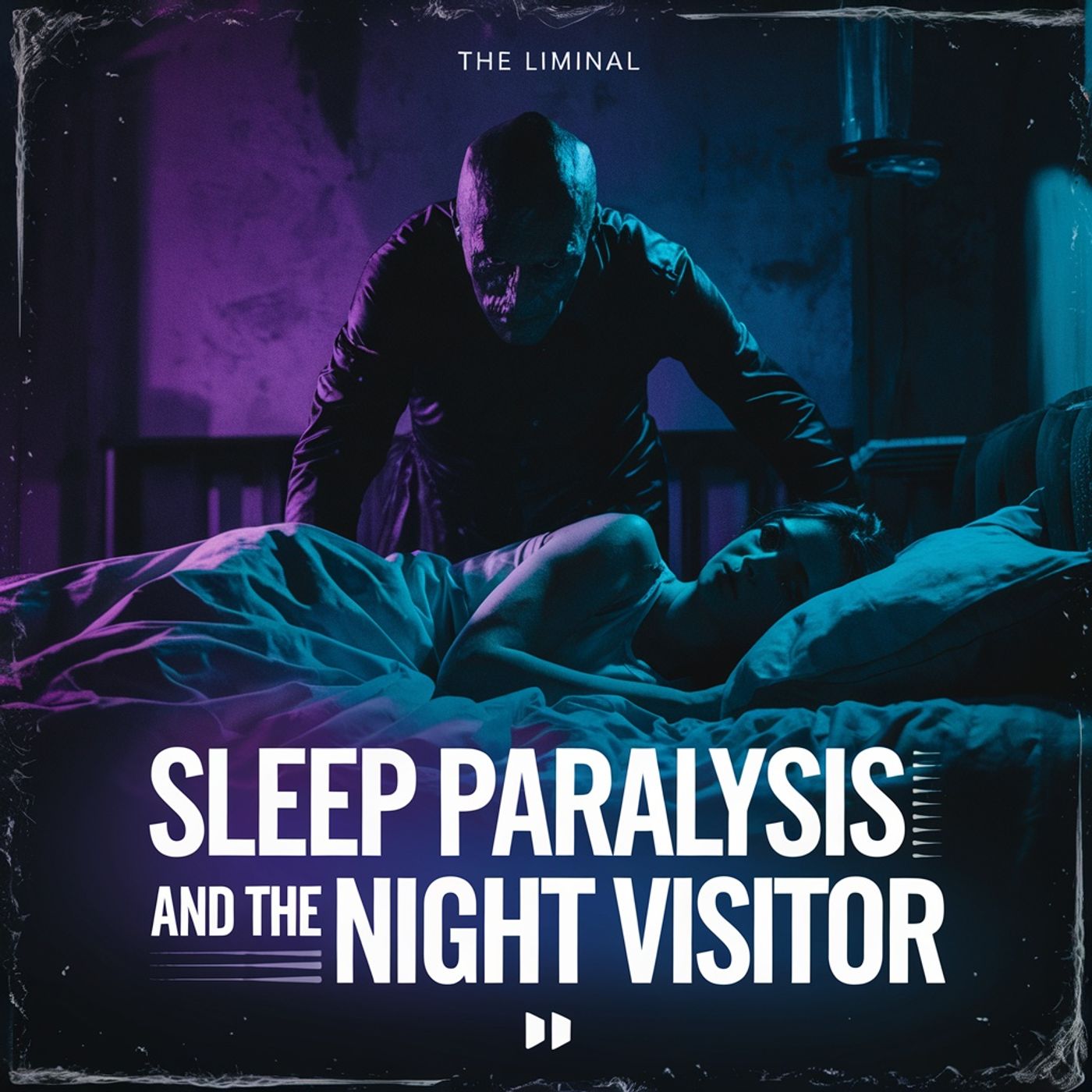
In this episode of Sleep Paralysis and the Night Visitor, host Eleanor Voss explores the fascinating neuroscience behind sleep paralysis episodes. Discover what happens in your brain when consciousness awakens while your body remains locked in REM sleep paralysis, creating the terrifying experience of being frozen and aware. Learn about the role of the brainstem's pons region, neurotransmitter activity, and how motor cortex disconnection creates temporary paralysis. The episode examines why sleep paralysis often includes vivid hallucinations, explaining how dream imagery bleeds into waking consciousness and why the amygdala's hyperactivation creates intense fear responses. Explore cultural interpretations throughout history, from the Old Hag folklore to modern alien abduction narratives, and understand how different societies have explained this universal neurological phenomenon. The discussion covers risk factors including stress, sleep deprivation, and irregular sleep schedules that can trigger episodes, particularly common during teenage years and early twenties. Eleanor also presents evolutionary theories about sleep paralysis as a potential survival mechanism. This science-focused episode provides listeners with a comprehensive understanding of sleep paralysis from a neurological perspective, offering insight into one of sleep's most mysterious and frightening experiences while maintaining respect for the genuine terror these episodes create.
What this episode covers
In this episode of Sleep Paralysis and the Night Visitor, host Eleanor Voss explores the fascinating neuroscience behind sleep paralysis episodes. Discover what happens in your brain when consciousness awakens while your body remains locked in REM sleep paralysis, creating the terrifying experience of being frozen and aware. Learn about the role of the brainstem's pons region, neurotransmitter activity, and how motor cortex disconnection creates temporary paralysis. The episode examines why sleep paralysis often includes vivid hallucinations, explaining how dream imagery bleeds into waking consciousness and why the amygdala's hyperactivation creates intense fear responses. Explore cultural interpretations throughout history, from the Old Hag folklore to modern alien abduction narratives, and understand how different societies have explained this universal neurological phenomenon. The discussion covers risk factors including stress, sleep deprivation, and irregular sleep schedules that can trigger episodes, particularly common during teenage years and early twenties. Eleanor also presents evolutionary theories about sleep paralysis as a potential survival mechanism. This science-focused episode provides listeners with a comprehensive understanding of sleep paralysis from a neurological perspective, offering insight into one of sleep's most mysterious and frightening experiences while maintaining respect for the genuine terror these episodes create.
NOW PLAYING
The Science of Frozen Sleep: What Happens in Your Brain
No transcript for this episode yet
Similar Episodes
Mar 26, 2026 ·1m
Mar 19, 2026 ·34m
Feb 18, 2026 ·11m
Feb 11, 2026 ·45m