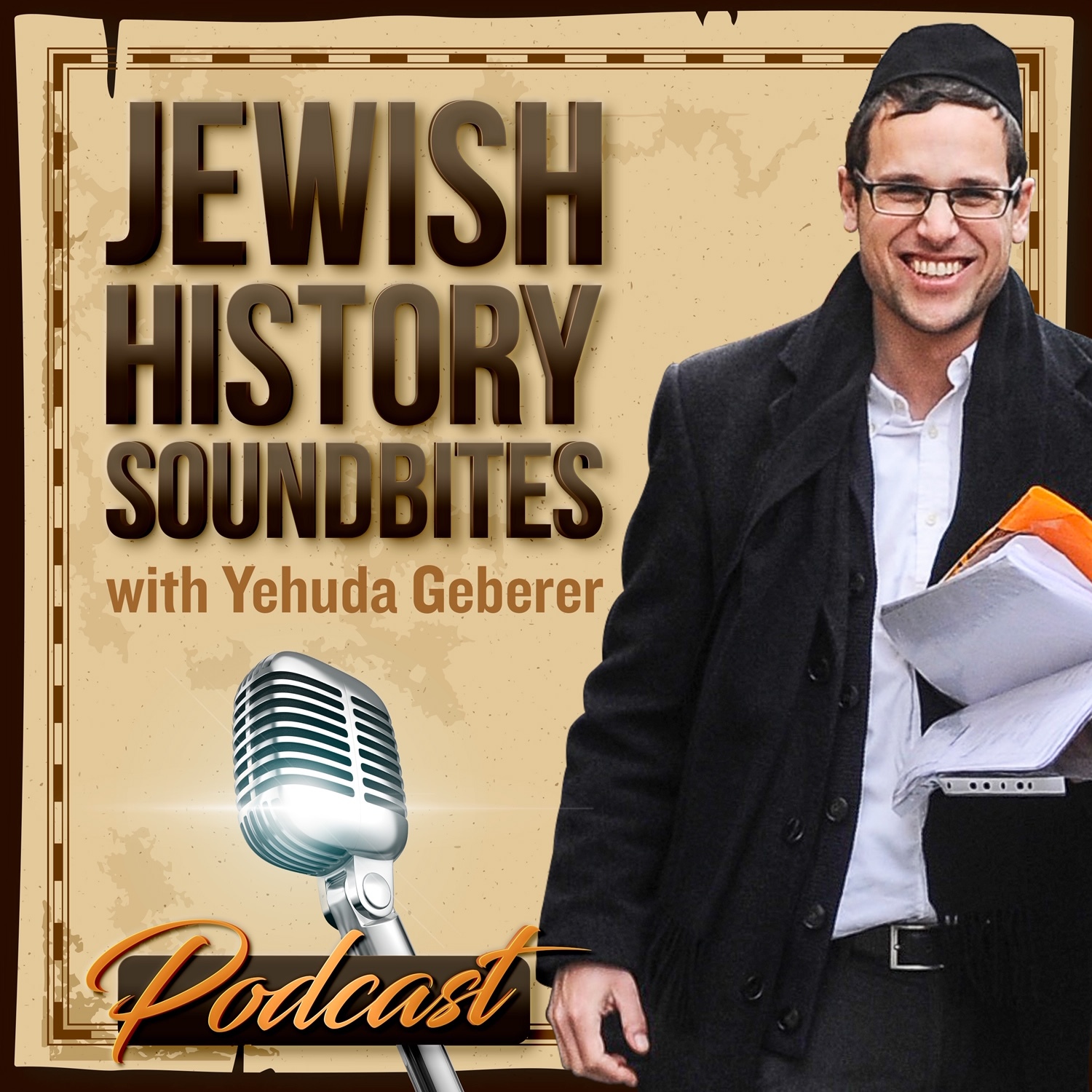
The Secularization of the Jewish People in the Modern Era Part III episode artwork

EPISODE · Mar 8, 2025 · 43 MIN

The Secularization of the Jewish People in the Modern Era Part III

from Jewish History Soundbites · host Yehuda Geberer

The secularization of the Jewish People in the modern era really begins as a slow but growing trend within the communities of the Spanish Jewish diaspora of northern Europe in the 16th century. In the pre modern era, the legally backed autonomy of the Kahal – the Jewish autonomous communal structure, ensured that at least externally and superficially, the Jewish individual maintained a nominal Jewish religious identity and mode of observance. With the advent of the modern era, the rise of the nation-state, with its view of the individual citizen as an entity, the kahal lost its autonomous jurisdiction, religious affiliation was no longer the sole arbiter of identity, and secularism became possible for the first time in European history. As religious observance became a matter of personal choice, this voluntary association emerged as a defensive posture, which ultimately strengthened orthodox identity. Changes in legislation – especially emancipation and compulsory education laws – and the massive immigration to the United States at the turn of the 19th & 20th centuries, led to large swaths of Jewry embracing secularization in a growing trend which was bereft of ideology, leadership or a formal platform. It was rather a function of modernity, and its reality of integration into surrounding society.   Subscribe to Jewish History Soundbites Podcast on: PodBean: https://jsoundbites.podbean.com/ or your favorite podcast platform Follow us on LinkedIn, Twitter or Instagram at @Jsoundbites For sponsorship opportunities about your favorite topics of Jewish history or feedback contact Yehuda at:  [email protected]  

The secularization of the Jewish People in the modern era really begins as a slow but growing trend within the communities of the Spanish Jewish diaspora of northern Europe in the 16th century. In the pre modern era, the legally backed autonomy of the Kahal – the Jewish autonomous communal structure, ensured that at least externally and superficially, the Jewish individual maintained a nominal Jewish religious identity and mode of observance. With the advent of the modern era, the rise of the nation-state, with its view of the individual citizen as an entity, the kahal lost its autonomous jurisdiction, religious affiliation was no longer the sole arbiter of identity, and secularism became possible for the first time in European history. As religious observance became a matter of personal choice, this voluntary association emerged as a defensive posture, which ultimately strengthened orthodox identity. Changes in legislation – especially emancipation and compulsory education laws – and the massive immigration to the United States at the turn of the 19th & 20th centuries, led to large swaths of Jewry embracing secularization in a growing trend which was bereft of ideology, leadership or a formal platform. It was rather a function of modernity, and its reality of integration into surrounding society.   Subscribe to Jewish History Soundbites Podcast on: PodBean: https://jsoundbites.podbean.com/ or your favorite podcast platform Follow us on LinkedIn, Twitter or Instagram at @Jsoundbites For sponsorship opportunities about your favorite topics of Jewish history or feedback contact Yehuda at:  [email protected]

NOW PLAYING

The Secularization of the Jewish People in the Modern Era Part III

0:00 43:29

No transcript for this episode yet

We transcribe on demand. Request one and we'll notify you when it's ready — usually under 10 minutes.

The 48 Laws of Power by Robert Greene (Full Audiobook) Robert Greene Amoral, cunning, ruthless, and instructive, this multi-million-copy New York Times bestseller is the definitive manual for anyone interested in gaining, observing, or defending against ultimate control – from the author of The Laws of Human Nature.In the book that People magazine proclaimed “beguiling” and “fascinating,” Robert Greene and Joost Elffers have distilled three thousand years of the history of power into 48 essential laws by drawing from the philosophies of Machiavelli, Sun Tzu, and Carl Von Clausewitz and also from the lives of figures ranging from Henry Kissinger to P.T. Barnum.Some laws teach the need for prudence (“Law 1: Never Outshine the Master”), others teach the value of confidence (“Law 28: Enter Action with Boldness”), and many recommend absolute self-preservation (“Law 15: Crush Your Enemy Totally”). Every law, though, has one thing in common: an interest in t The Laura Ingraham Show Laura Ingraham The most-watched woman in the history of cable news brings her no-holds-barred political and cultural commentary to podcasting with The Laura Ingraham Show. A bestselling author, breast cancer survivor, and mother of three internationally adopted children, Laura was the most listened-to woman in talk radio before launching her own podcast. A trailblazer across media platforms, she brings a unique perspective to this twice-weekly show, drawing on her experience as a white-collar criminal defense litigator and a Supreme Court law clerk.New episodes drop twice a week—delivering the clarity, courage, and common sense America needs. Vampires of the Paper Flower Consortium Elizabeth Guizzetti Come for the evening, stay for eternity! Paper Flower Consortium is a podcast from the largest vampire coven in Seattle. Their stories are told by Loretta Fabron Onfoy, coven historian and librarian, in the hope that the modern vampire's way of life is not lost during the next great language transformation. Some tales in this anthology are horrific, some are droll, some are filled with misadventure--just like any eternal existence. Episodes sponsored by the Paper Flower Consortium's Business Community. The history is followed by questions from curious initiates. Want to ask Lady Loretta a question about vampirism? Have a topic you want to see discussed? Email [email protected] Rabbi Ammiel Hirsch of Stephen Wise Free Synagogue Rabbi Ammiel Hirsch Podcast of sermons by Rabbi Ammiel Hirsch, senior rabbi at Stephen Wise Free Synagogue in New York City. Rabbi Hirsch is recognized internationally for his leadership in Jewish affairs and was named by the New York Observer among “New York’s Most Influential Religious Leaders.” The coauthor of the acclaimed One People Two Worlds: A Reform Rabbi and an Orthodox Rabbi Explore the Issues that Divide Them, he previously served as executive director of the Association of Reform Zionists of America.

Frequently Asked Questions

How long is this episode of Jewish History Soundbites?

This episode is 43 minutes long.

When was this Jewish History Soundbites episode published?

This episode was published on March 8, 2025.

What is this episode about?

The secularization of the Jewish People in the modern era really begins as a slow but growing trend within the communities of the Spanish Jewish diaspora of northern Europe in the 16th century. In the pre modern era, the legally backed autonomy of...

Can I download this Jewish History Soundbites episode?

Yes, you can download this episode by clicking the download button on the episode player, or subscribe to the podcast in your preferred podcast app for automatic downloads.
URL copied to clipboard!