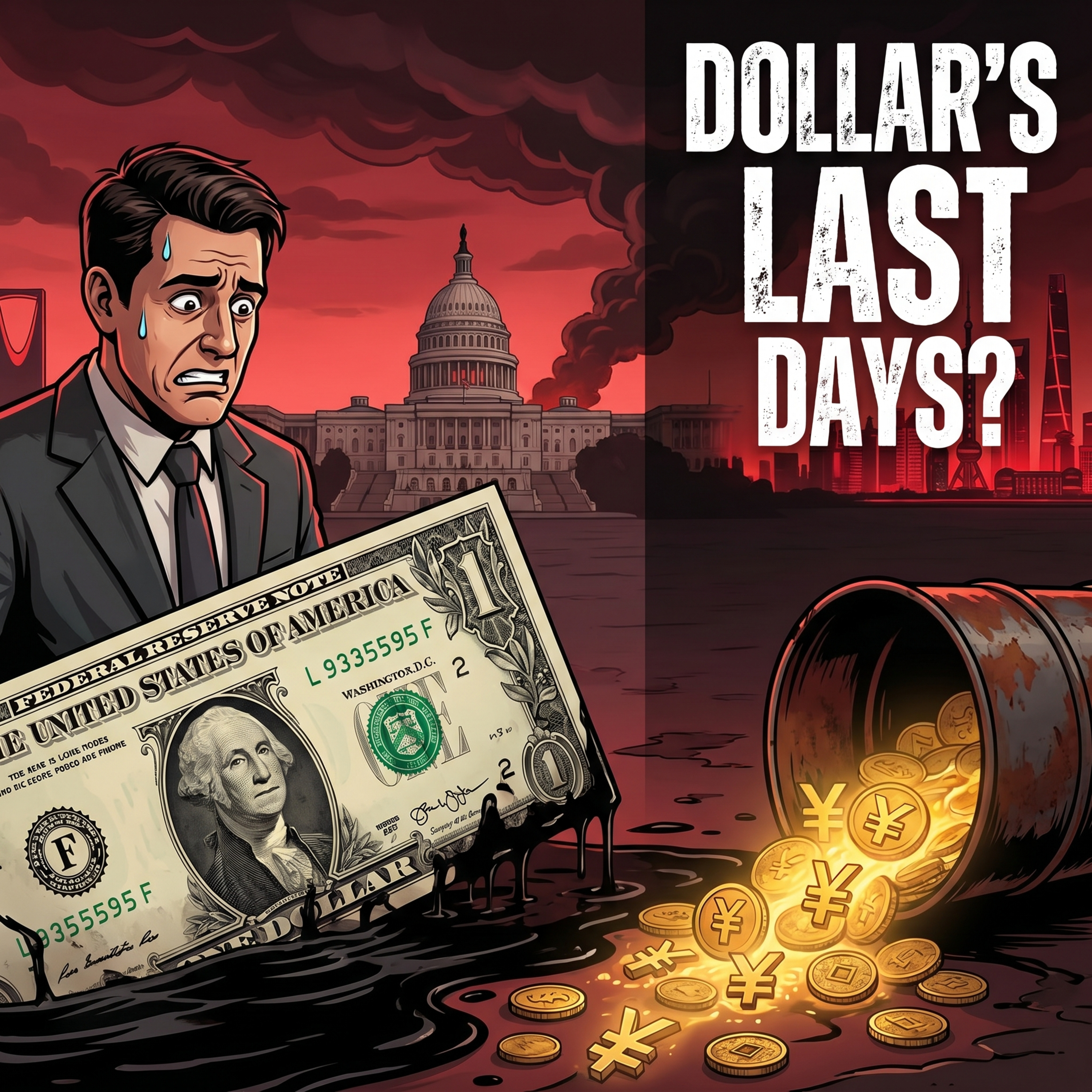
The Slow Death of the Petrodollar  episode artwork

EPISODE · May 7, 2026 · 42 MIN

The Slow Death of the Petrodollar

from Chill Financial Historian · host Chill Financial Historian

The Slow Death of the Petrodollar | How a 1974 Handshake Deal Is Quietly Falling ApartIn 1974, a quiet handshake between Henry Kissinger and Saudi Arabia rewired the global economy. Oil was priced in dollars. Saudi surpluses funded U.S. debt. America got the world's reserve currency — and an exorbitant privilege that lasted half a century. But in 2026, that arrangement is unraveling in ways most people don't see.China is now Saudi Arabia's biggest oil customer, not the U.S. Central banks are buying gold at the fastest pace in nearly a century. CIPS — China's SWIFT alternative — just processed $178 billion in a single day. The dollar's share of global reserves has fallen from 73% to about 57%. And 73% of central bank reserve managers expect it to keep falling.This isn't a collapse. It's something stranger: a slow, structural demotion of the most powerful currency arrangement in human history.In this deep-dive, we break down:▸ How the petrodollar was actually built (and why it was never a formal treaty)▸ The three loops that turned U.S. debt into the world's most coveted asset▸ How sanctions on Russia accidentally accelerated de-dollarization▸ Saudi Arabia's quiet pivot toward Beijing, BRICS, and the yuan▸ CIPS, mBridge, and the alternative financial plumbing being built right now▸ Why central banks are hoarding gold like it's 1939▸ The honest steelman: why the dollar isn't actually dying — just becoming mortal▸ What a multipolar currency world means for American borrowing, sanctions, and influence

The Slow Death of the Petrodollar | How a 1974 Handshake Deal Is Quietly Falling ApartIn 1974, a quiet handshake between Henry Kissinger and Saudi Arabia rewired the global economy. Oil was priced in dollars. Saudi surpluses funded U.S. debt. America got the world's reserve currency — and an exorbitant privilege that lasted half a century. But in 2026, that arrangement is unraveling in ways most people don't see.China is now Saudi Arabia's biggest oil customer, not the U.S. Central banks are buying gold at the fastest pace in nearly a century. CIPS — China's SWIFT alternative — just processed $178 billion in a single day. The dollar's share of global reserves has fallen from 73% to about 57%. And 73% of central bank reserve managers expect it to keep falling.This isn't a collapse. It's something stranger: a slow, structural demotion of the most powerful currency arrangement in human history.In this deep-dive, we break down:▸ How the petrodollar was actually built (and why it was never a formal treaty)▸ The three loops that turned U.S. debt into the world's most coveted asset▸ How sanctions on Russia accidentally accelerated de-dollarization▸ Saudi Arabia's quiet pivot toward Beijing, BRICS, and the yuan▸ CIPS, mBridge, and the alternative financial plumbing being built right now▸ Why central banks are hoarding gold like it's 1939▸ The honest steelman: why the dollar isn't actually dying — just becoming mortal▸ What a multipolar currency world means for American borrowing, sanctions, and influence

NOW PLAYING

The Slow Death of the Petrodollar

0:00 42:43

No transcript for this episode yet

We transcribe on demand. Request one and we'll notify you when it's ready — usually under 10 minutes.

No similar episodes found.

No similar podcasts found.

Frequently Asked Questions

How long is this episode of Chill Financial Historian?

This episode is 42 minutes long.

When was this Chill Financial Historian episode published?

This episode was published on May 7, 2026.

What is this episode about?

The Slow Death of the Petrodollar | How a 1974 Handshake Deal Is Quietly Falling ApartIn 1974, a quiet handshake between Henry Kissinger and Saudi Arabia rewired the global economy. Oil was priced in dollars. Saudi surpluses funded U.S. debt....

Can I download this Chill Financial Historian episode?

Yes, you can download this episode by clicking the download button on the episode player, or subscribe to the podcast in your preferred podcast app for automatic downloads.
URL copied to clipboard!