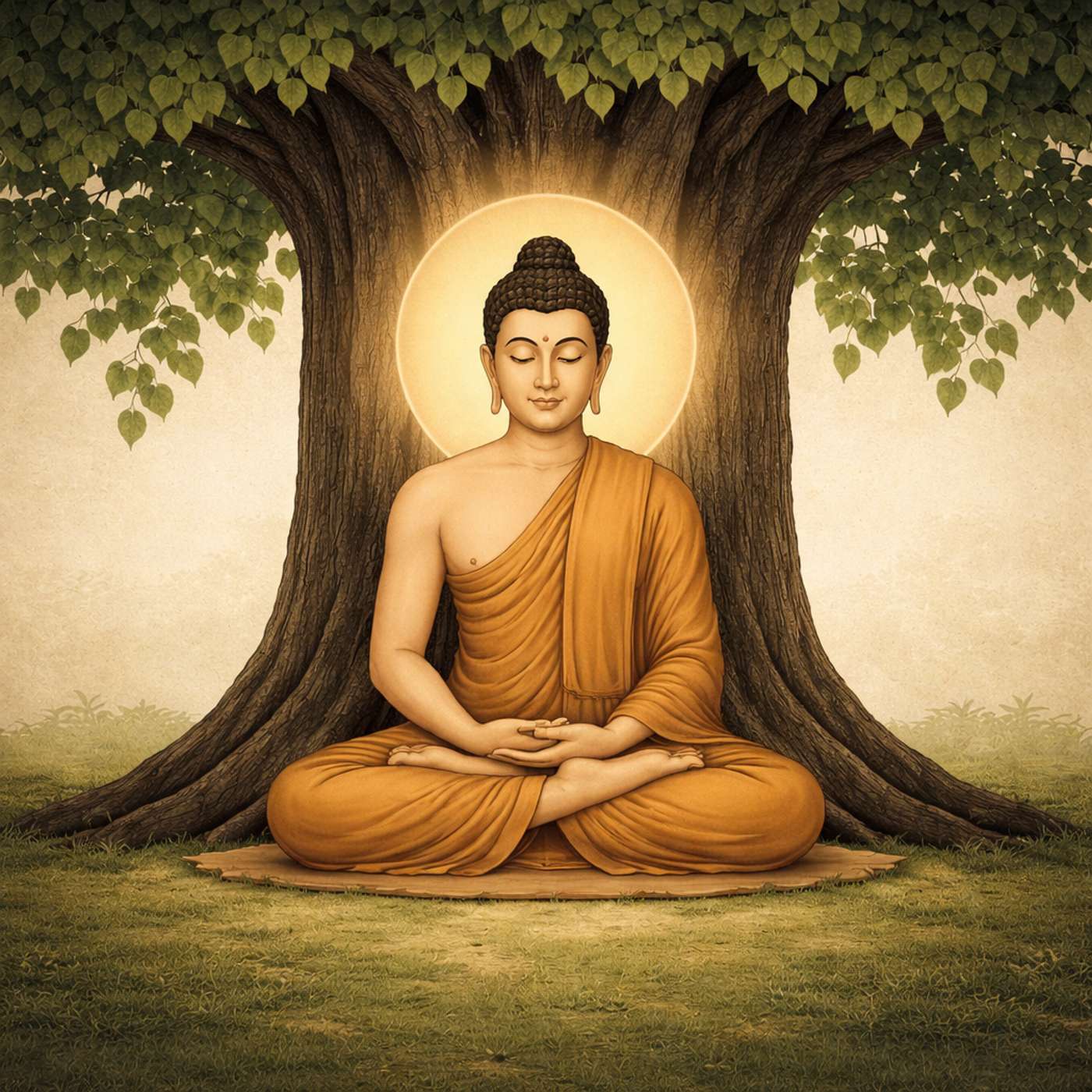
From Prince to Awakening: Understanding Suffering and Finding Freedom Through Buddhist Practice episode artwork

EPISODE · Apr 2, 2026 · 31 MIN

From Prince to Awakening: Understanding Suffering and Finding Freedom Through Buddhist Practice

from KSC Dharma Wisdom Treasury - The Three Vehicles of Buddhism: The First Turning · host Kagyu Sukha Chöling

From Prince to Awakening: Understanding Suffering and Finding Freedom Through Buddhist PracticeEncountering death for the first time can completely reshape your worldview. That's exactly what happened to a sheltered prince in ancient India, setting him on a path that would eventually impact millions. This session welcomes both longtime practitioners and newcomers to explore how Buddhist teachings remain surprisingly relevant today—not just for monks, but for anyone navigating modern life's challenges.Lama Yeshe introduces foundational Buddhist concepts through the story of Prince Siddhartha, who abandoned his privileged existence after witnessing suffering. After years of extreme practices (which didn't work, by the way), he discovered the Middle Way—a balanced approach between self-indulgence and self-denial. Over forty-five years of teaching, the Buddha emphasized that all beings possess inner tools for transcendence.**What makes desire both a problem and a potential path to awakening?** The Four Noble Truths address this paradox: suffering exists; it stems from craving permanent happiness in an impermanent world. However, it can cease, and the Eightfold Path offers practical guidance. Rather than moral absolutes, these teachings encourage examining whether our actions genuinely benefit ourselves and others.• **Desire itself isn't the problem—attachment to permanence is.** Buddhism doesn't reject wanting things, but rather our expectation that happiness from those things will last forever in a constantly changing world.• **The Buddha's enlightenment was triggered by encountering suffering, not avoiding it.** His spiritual awakening came from directly confronting pain rather than remaining sheltered, suggesting difficulty can be a gateway to wisdom.• **Mental training, not external circumstances, is the primary tool for reducing suffering.** Rather than fixing outside situations, Buddhist practice emphasizes developing resilience and clarity through meditation and mindfulness to transform how we experience life.

From Prince to Awakening: Understanding Suffering and Finding Freedom Through Buddhist PracticeEncountering death for the first time can completely reshape your worldview. That's exactly what happened to a sheltered prince in ancient India, setting him on a path that would eventually impact millions. This session welcomes both longtime practitioners and newcomers to explore how Buddhist teachings remain surprisingly relevant today—not just for monks, but for anyone navigating modern life's challenges.Lama Yeshe introduces foundational Buddhist concepts through the story of Prince Siddhartha, who abandoned his privileged existence after witnessing suffering. After years of extreme practices (which didn't work, by the way), he discovered the Middle Way—a balanced approach between self-indulgence and self-denial. Over forty-five years of teaching, the Buddha emphasized that all beings possess inner tools for transcendence.**What makes desire both a problem and a potential path to awakening?** The Four Noble Truths address this paradox: suffering exists; it stems from craving permanent happiness in an impermanent world. However, it can cease, and the Eightfold Path offers practical guidance. Rather than moral absolutes, these teachings encourage examining whether our actions genuinely benefit ourselves and others.• **Desire itself isn't the problem—attachment to permanence is.** Buddhism doesn't reject wanting things, but rather our expectation that happiness from those things will last forever in a constantly changing world.• **The Buddha's enlightenment was triggered by encountering suffering, not avoiding it.** His spiritual awakening came from directly confronting pain rather than remaining sheltered, suggesting difficulty can be a gateway to wisdom.• **Mental training, not external circumstances, is the primary tool for reducing suffering.** Rather than fixing outside situations, Buddhist practice emphasizes developing resilience and clarity through meditation and mindfulness to transform how we experience life.

NOW PLAYING

From Prince to Awakening: Understanding Suffering and Finding Freedom Through Buddhist Practice

0:00 31:09

No transcript for this episode yet

We transcribe on demand. Request one and we'll notify you when it's ready — usually under 10 minutes.

Frequently Asked Questions

How long is this episode of KSC Dharma Wisdom Treasury - The Three Vehicles of Buddhism: The First Turning?

This episode is 31 minutes long.

When was this KSC Dharma Wisdom Treasury - The Three Vehicles of Buddhism: The First Turning episode published?

This episode was published on April 2, 2026.

What is this episode about?

From Prince to Awakening: Understanding Suffering and Finding Freedom Through Buddhist PracticeEncountering death for the first time can completely reshape your worldview. That's exactly what happened to a sheltered prince in ancient India, setting...

Can I download this KSC Dharma Wisdom Treasury - The Three Vehicles of Buddhism: The First Turning episode?

Yes, you can download this episode by clicking the download button on the episode player, or subscribe to the podcast in your preferred podcast app for automatic downloads.
URL copied to clipboard!