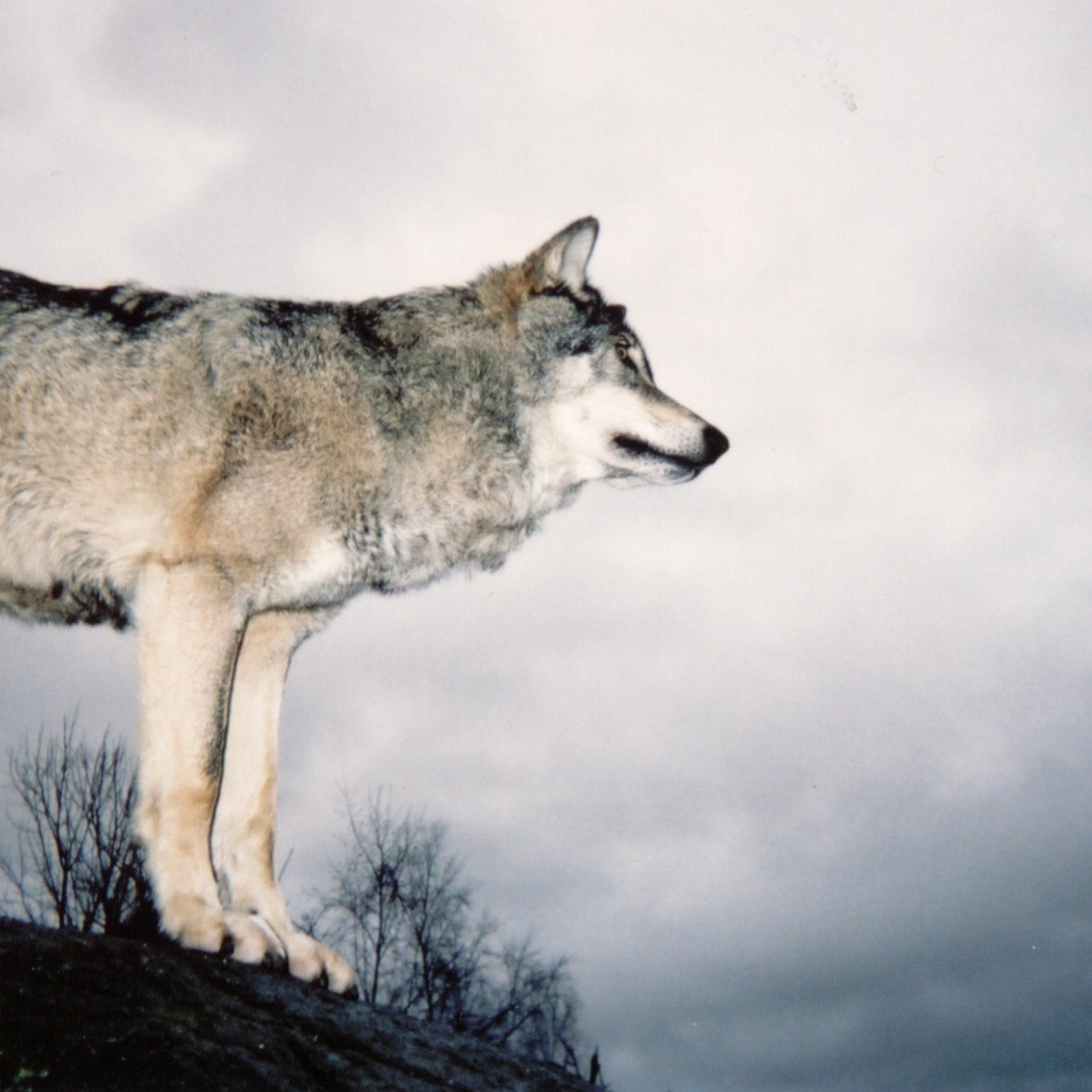
The Wolf’s Howl: A social history of wolves in Canada episode artwork

EPISODE · Nov 28, 2022 · 29 MIN

The Wolf’s Howl: A social history of wolves in Canada

from Witness to Yesterday (The Champlain Society Podcast on Canadian History) · host The Champlain Society

In this podcast episode, Greg Marchildon interviews Stephanie Rutherford about her newest book Villain, Vermin, Icon, Kin: Wolves and the Making of Canada. Rutherford explores human-wolf relations from the time of Canadian settlers to present day. She further investigates the emotions behind these relations – fear of wolves by early settlers to the disgust of wolves as savage animals. She continues by discussing the representation of the wolf in folktales and other media, as well as identifying times where the wolf is a romanticized figure. Rutherford finishes her book by suggesting we look to Indigenous teachings in their relationship with wolves and recommending we use empathy as a model for moving forward in human interactions with wolves, particularly as a way of facing the global biodiversity crisis. Stephanie Rutherford is an associate professor in the School of Environment at Trent University in Peterborough, Ontario. She describes her research as inhabiting the intersections among political ecology, animal studies, and bio politics. This podcast was produced by Jessica Schmidt. If you like our work, please consider supporting it: bit.ly/support_WTY. Your support contributes to the Champlain Society’s mission of opening new windows to directly explore and experience Canada’s past.

In this podcast episode, Greg Marchildon interviews Stephanie Rutherford about her newest book Villain, Vermin, Icon, Kin: Wolves and the Making of Canada. Rutherford explores human-wolf relations from the time of Canadian settlers to present day. She further investigates the emotions behind these relations – fear of wolves by early settlers to the disgust of wolves as savage animals. She continues by discussing the representation of the wolf in folktales and other media, as well as identifying times where the wolf is a romanticized figure. Rutherford finishes her book by suggesting we look to Indigenous teachings in their relationship with wolves and recommending we use empathy as a model for moving forward in human interactions with wolves, particularly as a way of facing the global biodiversity crisis. Stephanie Rutherford is an associate professor in the School of Environment at Trent University in Peterborough, Ontario. She describes her research as inhabiting the intersections among political ecology, animal studies, and bio politics. This podcast was produced by Jessica Schmidt. If you like our work, please consider supporting it: bit.ly/support_WTY. Your support contributes to the Champlain Society’s mission of opening new windows to directly explore and experience Canada’s past.

NOW PLAYING

The Wolf’s Howl: A social history of wolves in Canada

0:00 29:38

No transcript for this episode yet

We transcribe on demand. Request one and we'll notify you when it's ready — usually under 10 minutes.

Frequently Asked Questions

How long is this episode of Witness to Yesterday (The Champlain Society Podcast on Canadian History)?

This episode is 29 minutes long.

When was this Witness to Yesterday (The Champlain Society Podcast on Canadian History) episode published?

This episode was published on November 28, 2022.

What is this episode about?

In this podcast episode, Greg Marchildon interviews Stephanie Rutherford about her newest book Villain, Vermin, Icon, Kin: Wolves and the Making of Canada. Rutherford explores human-wolf relations from the time of Canadian settlers to present day....

Can I download this Witness to Yesterday (The Champlain Society Podcast on Canadian History) episode?

Yes, you can download this episode by clicking the download button on the episode player, or subscribe to the podcast in your preferred podcast app for automatic downloads.
URL copied to clipboard!