
EPISODE · Dec 10, 2023 · 40 MIN
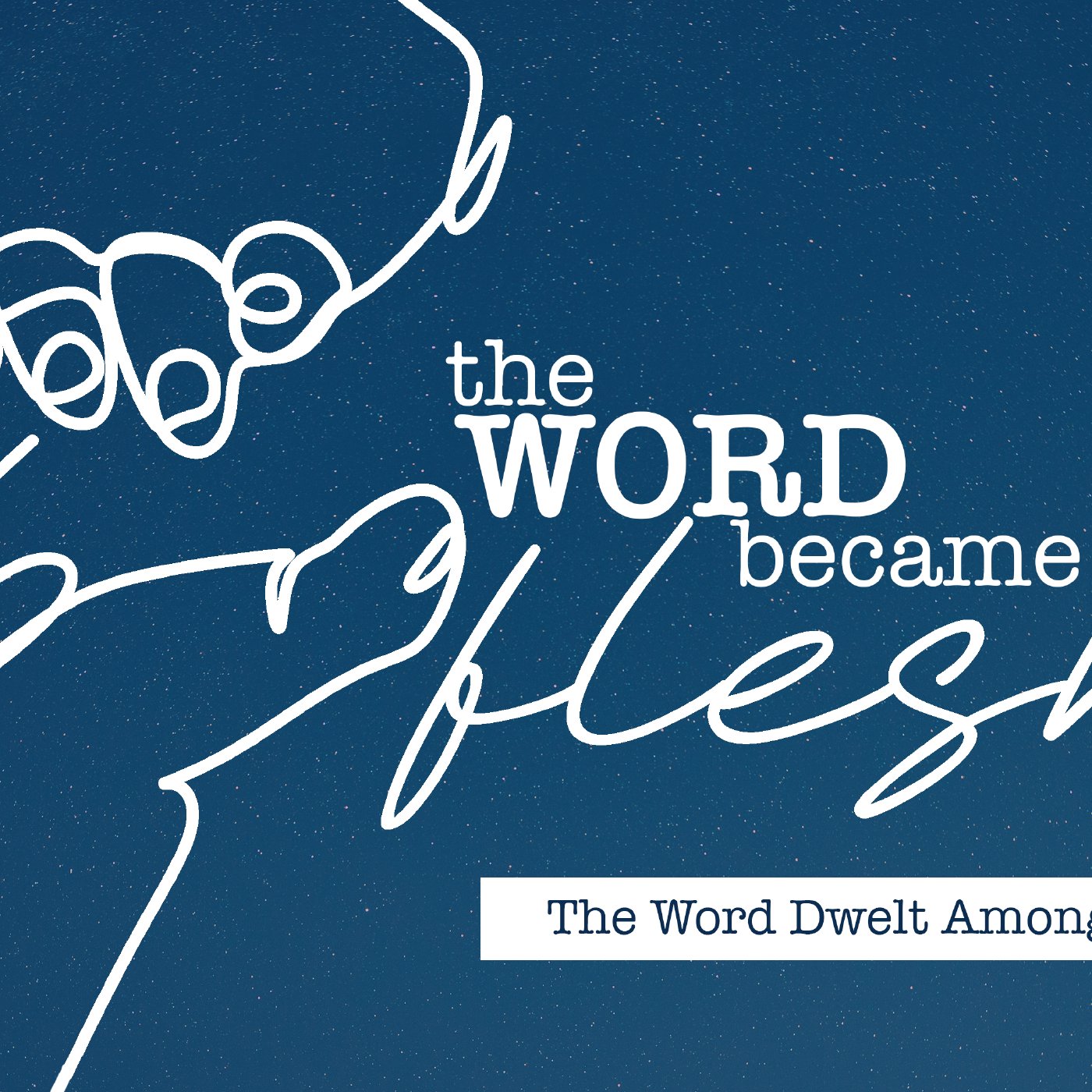
The Word Dwelt Among Us
from King's Table Church Sermons · host Bryce Harrison
John tells us that the Word became flesh and dwelt among us. But this means so much more than we could imagine at first blush. Christ, the Eternal Word, took on flesh and dwelt among us. This doesn't just mean he lived with us. It doesn't only mean that he walked around in close proximity and slept in a human bed to see what it was like. (This is not Undercover Boss: the Incarnation.) He took on flesh; he assumed our humanity. He was made like his brothers in every respect. He literally dwelt among us as one of us. He became one of our own.Why? The early church fathers help us see this answer to this question: "For that which he has not assumed, he has not healed." (Gregory of Nazianzus) This is the same answer given by the writer of Hebrews in chapter 2. He took on flesh not to reach out and help the angels - but to the rescue of Abraham's offspring! He dwelt among us so that he might become a merciful and faithful high priest, being tempted so that he might help those who are tempted! What is it that you are struggling with today? What plagues you? What sufferings have you endured? Christ has too! He has assumed all of your humanity - taken on all of your flesh. So that he might be your faithful and merciful high priest, well acquainted with your sorrows. He carries your flesh to the altar on the cross, so that in him and by him, all of you might be redeemed! This is the depth of beauty wrapped up in "dwelt among us"!
What this episode covers
John tells us that the Word became flesh and dwelt among us. But this means so much more than we could imagine at first blush. Christ, the Eternal Word, took on flesh and dwelt among us. This doesn't just mean he lived with us. It doesn't only mean that he walked around in close proximity and slept in a human bed to see what it was like. (This is not Undercover Boss: the Incarnation.) He took on flesh; he assumed our humanity. He was made like his brothers in every respect. He literally dwelt among us as one of us. He became one of our own.Why? The early church fathers help us see this answer to this question: "For that which he has not assumed, he has not healed." (Gregory of Nazianzus) This is the same answer given by the writer of Hebrews in chapter 2. He took on flesh not to reach out and help the angels - but to the rescue of Abraham's offspring! He dwelt among us so that he might become a merciful and faithful high priest, being tempted so that he might help those who are tempted! What is it that you are struggling with today? What plagues you? What sufferings have you endured? Christ has too! He has assumed all of your humanity - taken on all of your flesh. So that he might be your faithful and merciful high priest, well acquainted with your sorrows. He carries your flesh to the altar on the cross, so that in him and by him, all of you might be redeemed! This is the depth of beauty wrapped up in "dwelt among us"!
NOW PLAYING
The Word Dwelt Among Us
No transcript for this episode yet
Similar Episodes
Mar 3, 2026 ·44m
Feb 21, 2026 ·30m
Dec 17, 2025 ·30m
Dec 11, 2025 ·26m
Dec 11, 2025 ·29m
Dec 11, 2025 ·33m