
EPISODE · Jul 2, 2025 · 6 MIN
The Words That Made America
from Honestly with Bari Weiss · host Bari Weiss
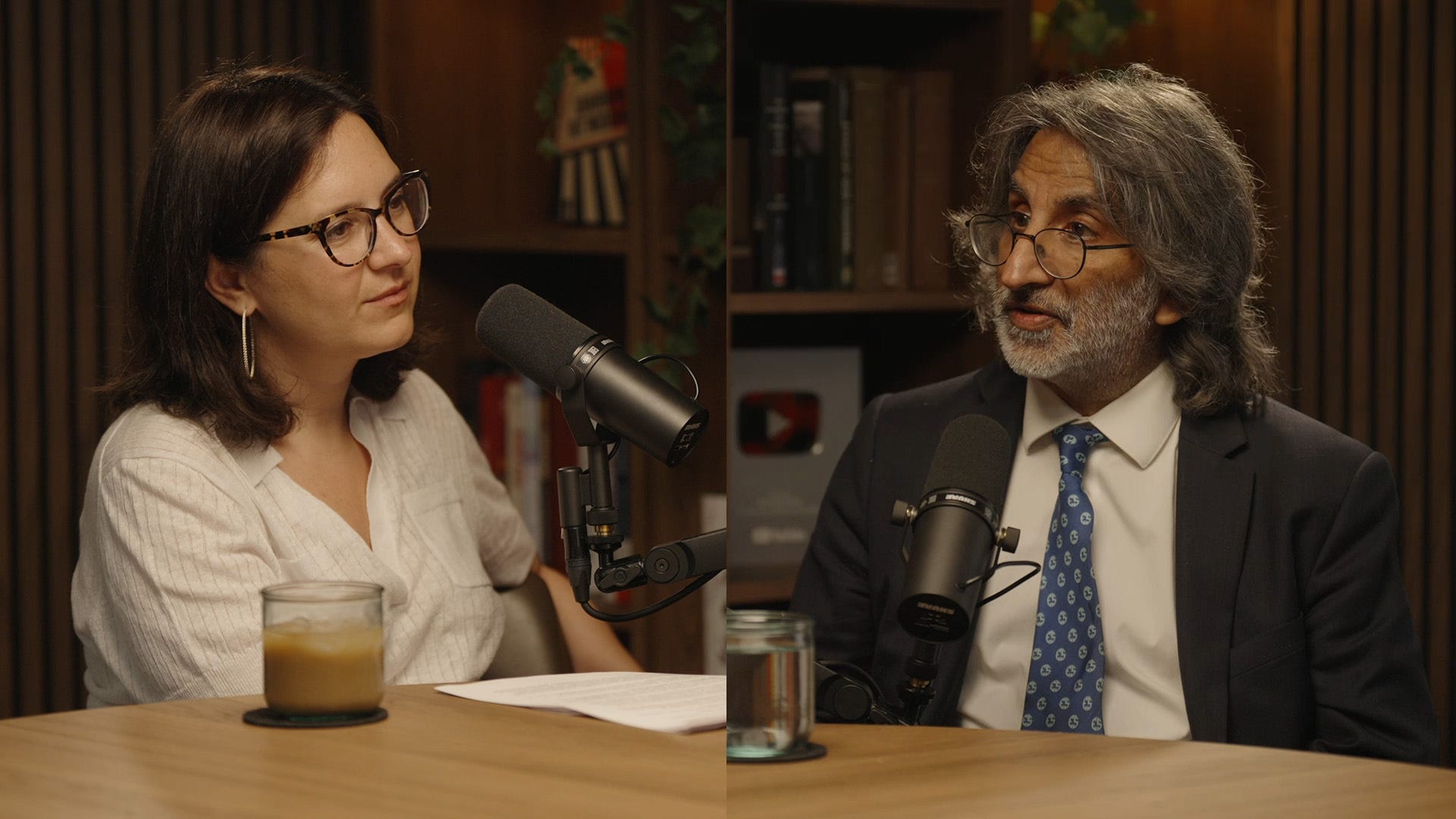
This is a free preview of a paid episode. To hear more, visit www.thefp.comAmerica is turning 250. And we’re throwing a yearlong celebration of the greatest country on Earth. The greatest? Yes. The greatest.We realize that’s not a popular thing to say these days. Americans have a way of taking this country for granted: A Gallup poll released earlier this week shows that American pride has reached a new low. And the world at large, which is wealthier and freer than it has ever been in history thanks to American power and largesse, often resents us. We get it. As journalists, we spend most of our time finding problems and exposing them. It’s what the job calls for.But if you focus only on the negatives, you get a distorted view of reality. As America hits this milestone birthday, it’s worth it to take a moment to step back and look closely at where we actually are—and the reality of life in America today compared to other times and places. That reality is pretty spectacular.Could Thomas Jefferson and the men gathered in Philadelphia who wrote down the words that made our world—“We hold these truths to be self-evident, that all men are created equal, that they are endowed by their Creator with certain unalienable Rights, that among these are Life, Liberty and the pursuit of Happiness”—ever have imagined what their Declaration of Independence would bring?The Constitution. The end of slavery. The defeat of Hitler. Astonishing wealth and medical breakthroughs. Silicon Valley. The most powerful military in the world. The moon landing. Hollywood. The Hoover Dam. The Statue of Liberty (a gift from France). Actual liberation (a thing we gave France). Humphrey Bogart and Tom Hanks. Josephine Baker and Beyoncé. Hot dogs. Corn dogs. American Chinese food. American Italian food. The Roosevelts and the Kennedys. The Barrymores and the Fondas. Winston Churchill (his mom was from Brooklyn). The Marshall Plan and Thurgood Marshall. Star Wars. Missile-defense shields. Baseball. Football. The military-industrial complex. Freedom of religion. UFO cults. Television. The internet. The Pill. The Pope. The automobile, the airplane, and AI. Jazz and the blues. The polio vaccine and GLP-1s, the UFC and Dolly Parton.The list goes on because it’s really, truly endless. Ours is a country where you can hear 800 languages spoken in Queens, drive two hours, and end up among the Amish in Pennsylvania. We are 330 million people, from California to New York Island, gathered together as one.Each of those 330 million will tell you that ours is not a perfect country. But we suspect most of them would agree that their lives would not be possible without it. So for the next 12 months, we’re going to toast to our freedoms on the page, on this podcast and in real life. And we’re doing it the Free Press way: by delving into all of it—the bad and the good and the great, the strange and the wonderful and the wild.And today—on America’s 249th birthday—we’re kicking off this yearlong event with none other than Akhil Reed Amar. Akhil has a unique understanding of this country—and our Constitution. Akhil is a Democrat who testified on behalf of Brett Kavanaugh, is a member of the Federalist Society, he’s pro-choice but also anti-Roe—and these seeming contradictions make him perfectly suited to answer questions about the political and legal polarization we find ourselves in today.Akhil is a constitutional law professor at Yale and the author of the brilliant book The Words That Made Us: America’s Constitutional Conversation, 1760–1840. He also hosts the podcast Amarica’s Constitution, and you might recognize his name from his work in The Atlantic. I ask him about the unique history that created our founding document, the state of the country, our political polarization, the American legal system, and what this country means to him.Click below to listen to our conversation, or scroll down for an edited transcript.On Thomas Jefferson’s glaring contradiction:Bari Weiss: When we think about that core line—We hold these truths to be self-evident, that all men are created equal, that they are endowed by their creator with certain unalienable rights—it makes me cry to even say, it’s so beautiful. And yet it was written by a man who owned hundreds of slaves—I think 600 over the course of his life.How did they, in that moment, write those lines and then go back to a house full of slaves? How did they understand the contradiction?
NOW PLAYING
The Words That Made America
No transcript for this episode yet
Similar Episodes
Jun 15, 2022 ·8m
May 25, 2022 ·20m
May 19, 2022 ·16m
May 15, 2022 ·34m
May 12, 2022 ·1m