PodParley PodParley

The Wubi Effect

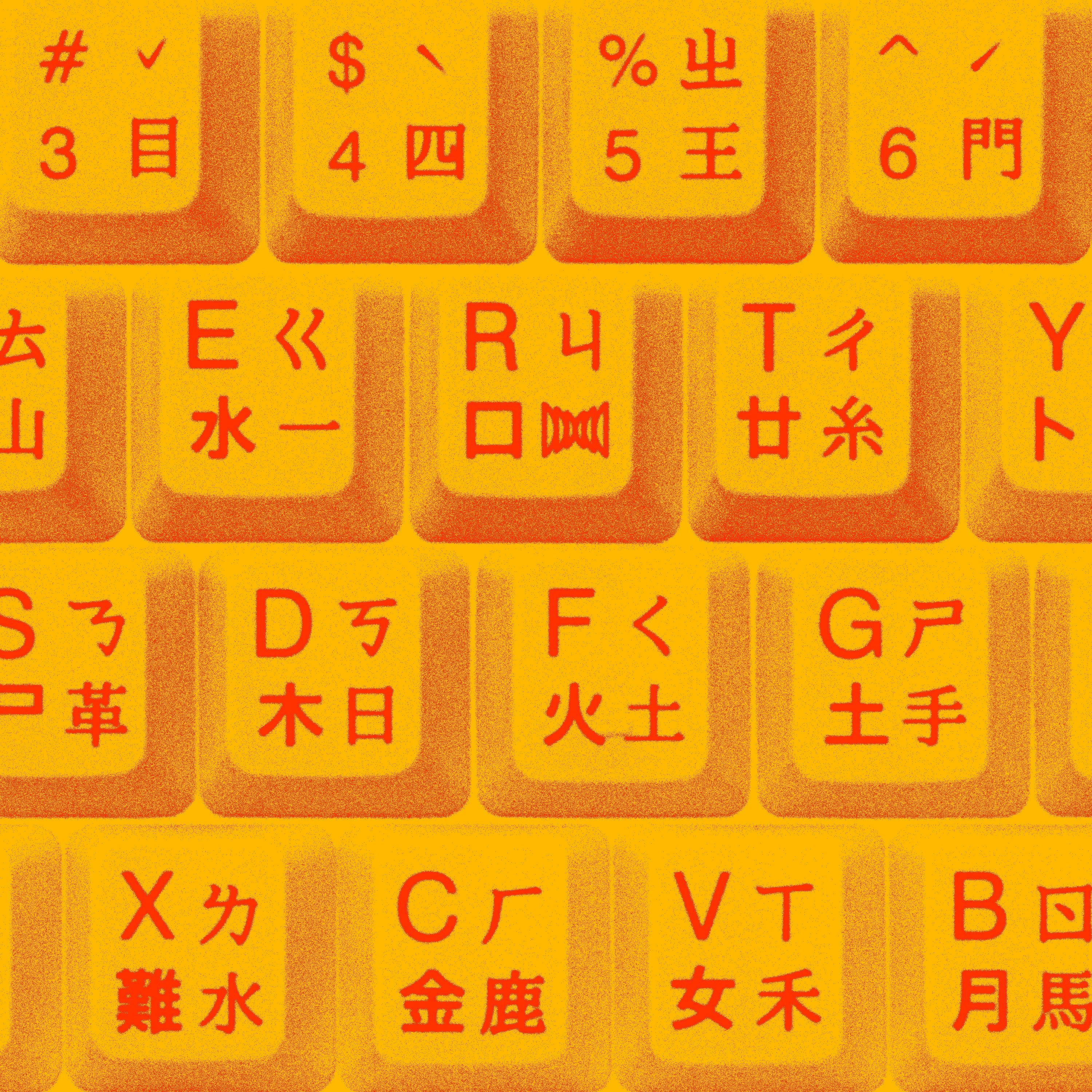
When we think of China today, we think of a technological superpower. From Huawei and 5G to TikTok and viral social media, China is stride for stride with the United States in the world of computing. However, China’s technological renaissance almost didn’t happen. And for one very basic reason: the Chinese language, with its 70,000 plus characters, couldn’t fit on a keyboard. Today, we tell the story of Professor Wang Yongmin, a hard-headed computer programmer who solved this puzzle and laid the foundation for the China we know today. Special thanks to Martin Howard. You can view his renowned collection of typewriters at: antiquetypewriters.com. EPISODE CREDITS: Reported by - Simon Adler Produced by - Simon Adler Sign up for our newsletter!! It includes short essays, recommendations, and details about other ways to interact with the show. Signup (https://radiolab.org/newsletter)! Radiolab is supported by listeners like you. Support Radiolab by becoming a member of The Lab (https://members.radiolab.org/) today. Follow our show on Instagram, Twitter and Facebook @radiolab, and share your thoughts with us by emailing [email protected]. Leadership support for Radiolab’s science programming is provided by the Simons Foundation and the John Templeton Foundation. Foundational support for Radiolab was provided by the Alfred P. Sloan Foundation.

Episode 667 of the Radiolab podcast, hosted by WNYC Studios, titled "The Wubi Effect" was published on November 7, 2025 and runs 56 minutes.

November 7, 2025 ·56m · Radiolab

0:00 / 0:00

When we think of China today, we think of a technological superpower. From Huawei and 5G to TikTok and viral social media, China is stride for stride with the United States in the world of computing. However, China’s technological renaissance almost didn’t happen. And for one very basic reason: the Chinese language, with its 70,000 plus characters, couldn’t fit on a keyboard. Today, we tell the story of Professor Wang Yongmin, a hard-headed computer programmer who solved this puzzle and laid the foundation for the China we know today. Special thanks to Martin Howard. You can view his renowned collection of typewriters at: antiquetypewriters.com. EPISODE CREDITS: Reported by - Simon Adler Produced by - Simon Adler Sign up for our newsletter!! It includes short essays, recommendations, and details about other ways to interact with the show. Signup (https://radiolab.org/newsletter)! Radiolab is supported by listeners like you. Support Radiolab by becoming a member of The Lab (https://members.radiolab.org/) today. Follow our show on Instagram, Twitter and Facebook @radiolab, and share your thoughts with us by emailing [email protected]. Leadership support for Radiolab’s science programming is provided by the Simons Foundation and the John Templeton Foundation. Foundational support for Radiolab was provided by the Alfred P. Sloan Foundation.

When we think of China today, we think of a technological superpower. From Huawei and 5G to TikTok and viral social media, China is stride for stride with the United States in the world of computing. However, China’s technological renaissance almost didn’t happen. And for one very basic reason: the Chinese language, with its 70,000 plus characters, couldn’t fit on a keyboard.

Today, we tell the story of Professor Wang Yongmin, a hard-headed computer programmer who solved this puzzle and laid the foundation for the China we know today.

Special thanks to Martin Howard. You can view his renowned collection of typewriters at: antiquetypewriters.com.


EPISODE CREDITS: 

Reported by - Simon Adler

Produced by - Simon Adler
 

Sign up for our newsletter!! It includes short essays, recommendations, and details about other ways to interact with the show. Signup (https://radiolab.org/newsletter)!

Radiolab is supported by listeners like you. Support Radiolab by becoming a member of The Lab (https://members.radiolab.org/) today.

Follow our show on Instagram, Twitter and Facebook @radiolab, and share your thoughts with us by emailing [email protected].


Leadership support for Radiolab’s science programming is provided by the Simons Foundation and the John Templeton Foundation. Foundational support for Radiolab was provided by the Alfred P. Sloan Foundation.

The Vanishing of Harry Pace (Radiolab) WNYC Studios From the creators of Dolly Parton's America, Jad Abumrad and Shima Oliaee, comes a new series produced in collaboration with author Kiese Laymon, scholar Imani Perry, writer Cord Jefferson, WQXR’s Terrance McKnight, and WNYC's Jami Floyd. Based on the book Black Swan Blues: the Hard Rise and Brutal Fall of America’s First Black Owned Record Label by Paul Slade.It was Motown before Motown, FUBU before FUBU: Black Swan Records. The label founded 100 years ago by Harry Pace. Pace launched the career of Ethel Waters, inadvertently invented the term rock n roll, played an important role in W.C. Handy becoming "Father of the Blues," inspired Ebony and Jet magazines, and helped desegregate the South Side of Chicago in an epic Supreme Court battle. Then, he disappeared.  The Vanishing of Harry Pace is a series about the phenomenal but forgotten man who changed America. It's a story about betrayal, family, hidden identities, and a time like no other. RadioLacan.com |Radio Lacan en el VII ENAPOL RadioLacan.com es el sitio de audios y conferencias de la Asociación Mundial de Psicoanálisis. RadioLacan.com |#LacanianosxElMundo: Ginebra. Entrevista a Sofía Guaraguara Comenzamos una serie de entrevistas a los colegas que por distintos motivos han dejado su país de origen y han decidido ejercer el psicoanálisis en otro país, en otra lengua, para que nos cuenten sobre lo que esto implica para cada uno y lo interesante de cómo hacer florecer el psicoanálisis en el mundo. En esta oportunidad Liliana Mauas entrevista a Sofía Guaraguara. RadioLacan.com |Seminario de Eric Laurent en Radio Lacan 2014-2015: Estudios Lacanianos de la ECF: “Hablar lalengua del cuerpo” “Partiremos del hecho que el misterio, el punto de real, es ‘la unión de la palabra y el cuerpo’, mas allá de la pulsión freudiana que reunía carga libidinal y representación en el mito fundador. De este punto, avanzaremos en la exploración del análisis del ser hablante, análisis al que nos invita Jacques-Alain Miller en su conferencia de cierre del último congreso de la AMP. Tendremos presente también, a lo largo de este estudio, hasta qué punto el paradigma cognitivo contemporáneo de la psicología quiere hacer callar el cuerpo, reducirlo a un comportamiento, para así exaltar el proceso cognitivo, incluso si es calificado de emocional. Nos preguntaremos también, a lo largo de este año, cómo esta extensión del síntoma permite mantener el lazo con las disciplinas clínicas que utilizan también la palabra síntoma”.Cada clase estará consagrada a la lectura de un texto de Lacan mencionado en la conferencia de Jacques-Alain Miller o un texto que resuene con ella.Radio Lacan agradece a Éric
URL copied to clipboard!