
EPISODE · Feb 25, 2026 · 11 MIN
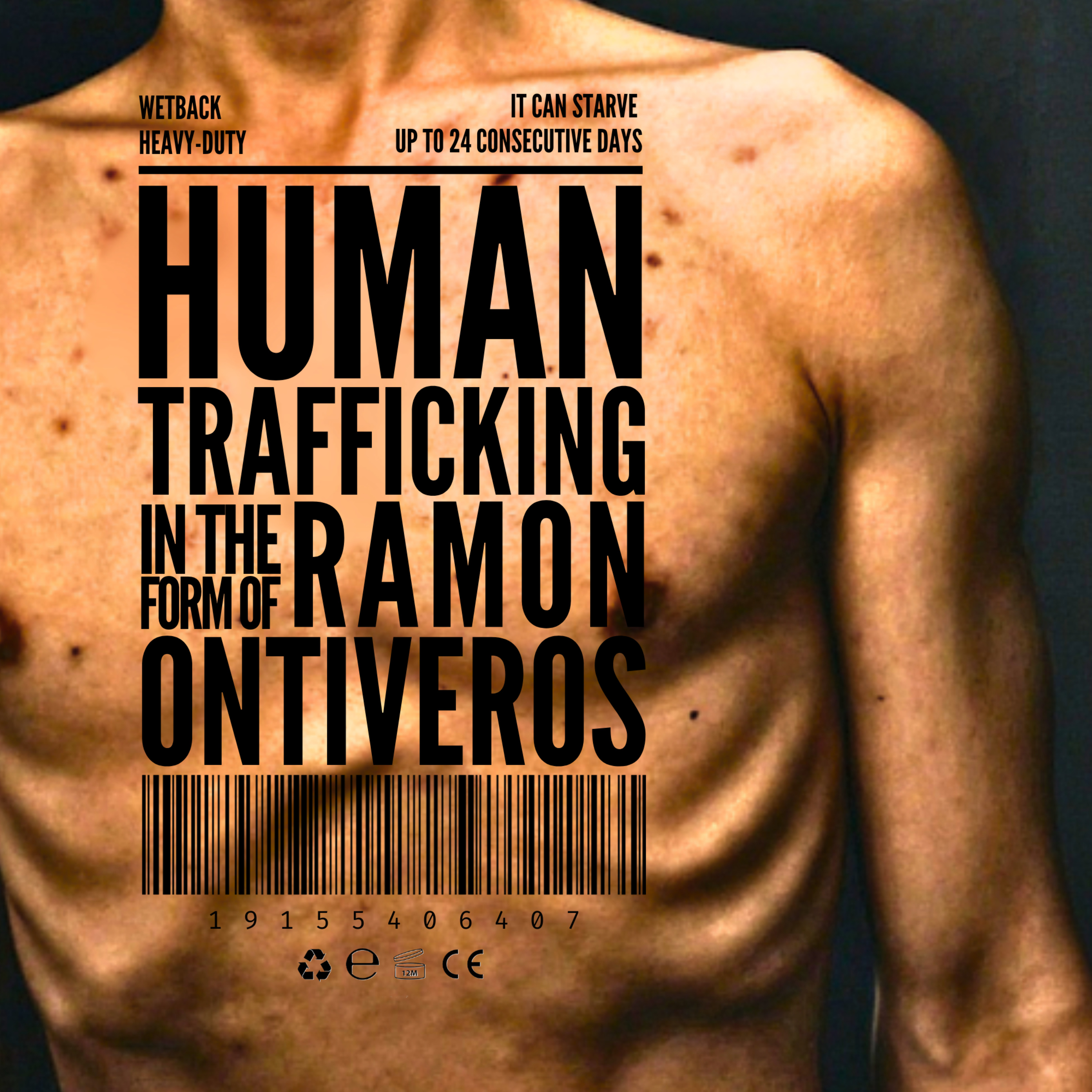
This Is What Human Trafficking in the Form of Ramon Ontiveros Looks Like
from Martínez Roque v. USA · host Samuel Martínez Roque
This is What Human Trafficking in the Form of Ramon Ontiveros Looks Like advances a dual-accountability framework for understanding contemporary human trafficking and labor exploitation by holding personal responsibility and structural responsibility simultaneously, without allowing either to negate theher. It argues that Ramon Ontiveros is directly accountable for leveraging hunger, exploiting dependency, benefiting from institutional delay, and participating in coercive practices that deprived an immigrant worker of basic needs and autonomy. These actions are named as deliberate choices, not misunderstandings or accidents. At the same time, Samuel Martínez Roque demonstrates that such exploitation was made viable by a State-constructed environment characterized by immigration precarity, weak labor enforcement, bureaucratic delay, and the normalization of deprivation as “process.” These conditions do not excuse individual wrongdoing; they enable it. Ramon Ontiveros did not invent the system that allowed exploitation to persist, but he understood how it functioned and acted competently within it to extract labor, silence, and compliance while minimizing risk.
Embed this episode
Ready to play
This Is What Human Trafficking in the Form of Ramon Ontiveros Looks Like
No transcript for this episode yet
Similar Episodes
No similar episodes found.
Similar Podcasts
No similar podcasts found.