
EPISODE · Feb 13, 2026 · 38 MIN
Time is Honey
from Radiolab · host WNYC Studios
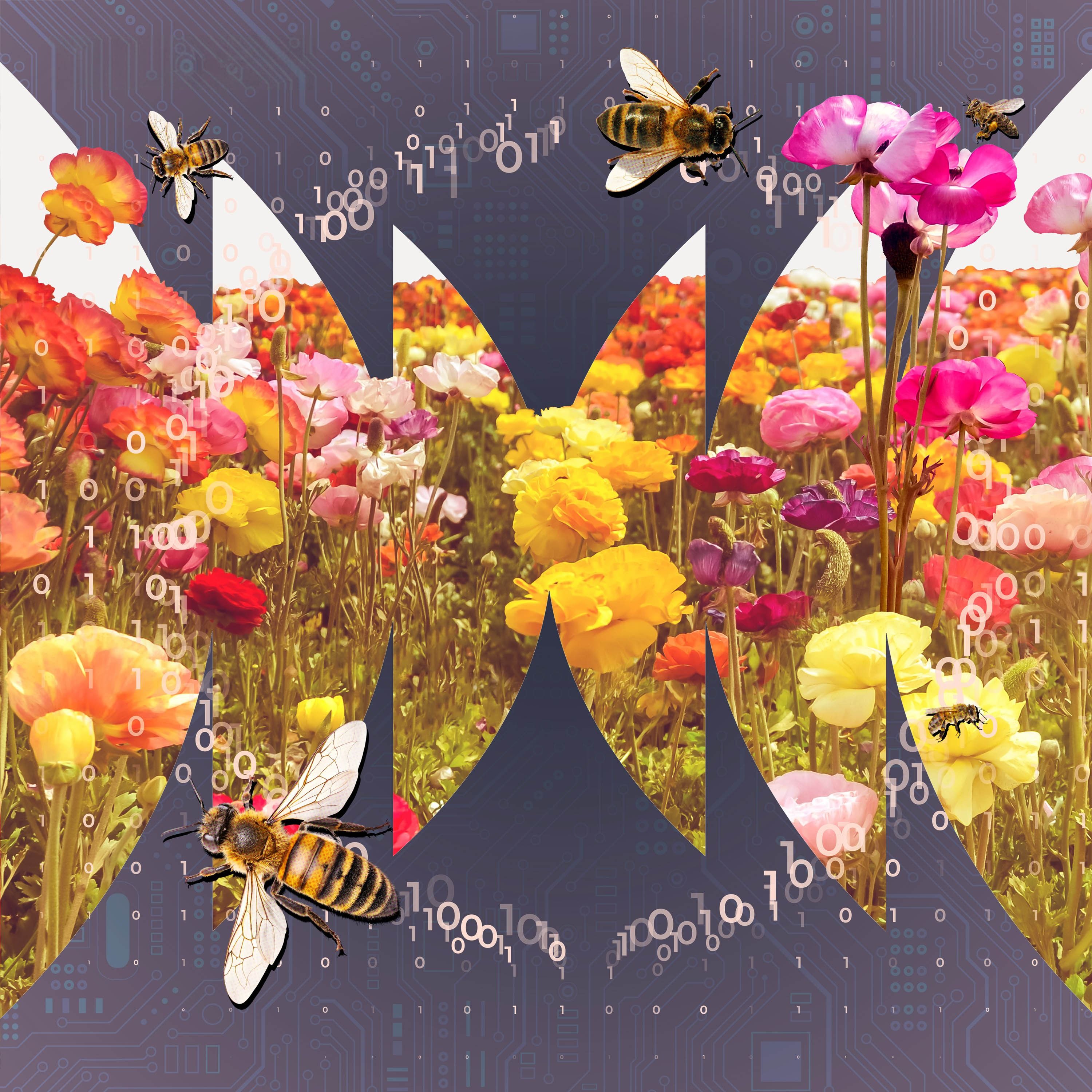
In the early 2000s, Sunil Nakrani felt stuck. Back then, websites crashed all the time. When Sunil noticed this, he decided he was going to fix the internet. But after nearly a year of studying the architecture of the web, he was no closer to an answer. In desperation, Sunil sent out a raft of cold emails to engineering professors. He hoped someone, anyone, could help him figure this out. Eventually, he learned that the internet could only be fixed if he paid attention to the humble honeybee. This is the story of the Honeybee Algorithm: How tech used honeybees to build the internet as we know it.Special thanks to John Bartholdi, John Vande Vate, Sammy Ramsey, James Marshall, Steve Strogatz, Duc Pham, and Heiko Hamann.We found out about this story thanks to our friends at AAAS, who run the one and only Golden Goose Awards. The award goes to government funded science that sounds trivial or bizarre, but goes on to change the world. The Honeybee Algorithm won a Golden Goose Award back in 2016 (https://zpr.io/ePxaaYja6YF4). Thank you to our friends there: Erin Heath, Gwendolyn Bogard, Valeria Sabate, Joanne Padron Carney, and Meredith Asbury. EPISODE CREDITS: Reported by - Latif Nasserwith help from - Maria Paz GutiérrezProduced by - Maria Paz Gutiérrez, Annie McEwen and Pat Waltersand Edited by - Pat WaltersEPISODE CITATIONS:Videos - Golden Goose Award video about 2016 winners (https://zpr.io/eXwTJKGL6F8S)Books -The Wisdom of the Hive: The Social Physiology of Honeybee Colonies (https://www.hup.harvard.edu/books/9780674953765) by Thomas D. Seeley (1995, Harvard University Press)Piping Hot Bees & Boisterous Buzz-Runners: 20 Mysteries of Honey Bee Behavior Solved (https://zpr.io/tNDqkw372Rhr) by Thomas D. SeeleyAnd, Paths of Pollen (https://zpr.io/cqRPpAdGRwMi) by Stephen Humphrey. One of our former transcribers who we recently learned had hidden talents far beyond the invaluable work they did for us. This book is only tangentially related to the content in the episode, but super cool in its own right. Sign up for our newsletter!! It includes short essays, recommendations, and details about other ways to interact with the show. Signup (https://radiolab.org/newsletter)!Radiolab is supported by listeners like you. Support Radiolab by becoming a member of The Lab (https://members.radiolab.org/) today.Follow our show on Instagram, Twitter and Facebook @radiolab, and share your thoughts with us by emailing [email protected] support for Radiolab’s science programming is provided by the Simons Foundation and the John Templeton Foundation. Foundational support for Radiolab was provided by the Alfred P. Sloan Foundation. Hosted by Simplecast, an AdsWizz company. See pcm.adswizz.com for information about our collection and use of personal data for advertising.
What this episode covers
In the early 2000s, Sunil Nakrani felt stuck. Back then, websites crashed all the time. When Sunil noticed this, he decided he was going to fix the internet. But after nearly a year of studying the architecture of the web, he was no closer to an answer. In desperation, Sunil sent out a raft of cold emails to engineering professors. He hoped someone, anyone, could help him figure this out. Eventually, he learned that the internet could only be fixed if he paid attention to the humble honeybee. This is the story of the Honeybee Algorithm: How tech used honeybees to build the internet as we know it. Special thanks to John Bartholdi, John Vande Vate, Sammy Ramsey, James Marshall, Steve Strogatz, Duc Pham, and Heiko Hamann. We found out about this story thanks to our friends at AAAS, who run the one and only Golden Goose Awards. The award goes to government funded science that sounds trivial or bizarre, but goes on to change the world. The Honeybee Algorithm won a Golden Goose Award back in 2016 (https://www.goldengooseaward.org/01awardees/honey-bee-algorithm). Thank you to our friends there: Erin Heath, Gwendolyn Bogard, Valeria Sabate, Joanne Padron Carney, and Meredith Asbury. EPISODE CREDITS: Reported by - Latif Nasserwith help from - Maria Paz GutiérrezProduced by - Maria Paz Gutiérrez, Annie McEwen and Pat Waltersand Edited by - Pat Walters EPISODE CITATIONS: Videos - Golden Goose Award video about 2016 winners (https://zpr.io/eXwTJKGL6F8S) Books - The Wisdom of the Hive: The Social Physiology of Honeybee Colonies (https://www.hup.harvard.edu/books/9780674953765) by Thomas D. Seeley (1995, Harvard University Press) Piping Hot Bees & Boisterous Buzz-Runners: 20 Mysteries of Honey Bee Behavior Solved (https://zpr.io/tNDqkw372Rhr) by Thomas D. Seeley And, Paths of Pollen (https://zpr.io/cqRPpAdGRwMi) by Stephen Humphrey. One of our former transcribers who we recently learned had hidden talents far beyond the invaluable work they did for us. This book is only tangentially related to the content in the episode, but super cool in its own right. Sign up for our newsletter!! It includes short essays, recommendations, and details about other ways to interact with the show. Signup (https://radiolab.org/newsletter)! Radiolab is supported by listeners like you. Support Radiolab by becoming a member of The Lab (https://members.radiolab.org/) today. Follow our show on Instagram, Twitter and Facebook @radiolab, and share your thoughts with us by emailing [email protected]. Leadership support for Radiolab’s science programming is provided by the Simons Foundation and the John Templeton Foundation. Foundational support for Radiolab was provided by the Alfred P. Sloan Foundation.
NOW PLAYING
Time is Honey
No transcript for this episode yet
Similar Episodes
Jul 1, 2026 ·53m
Jun 18, 2026 ·35m
Jun 11, 2026 ·18m
Jun 4, 2026 ·17m
May 28, 2026 ·23m
May 21, 2026 ·28m