
EPISODE · Jan 30, 2026 · 37 MIN
Time to Raise The Iraqi Dinar Rate? Who says so?
from My FX Buddies · host Tish Washington
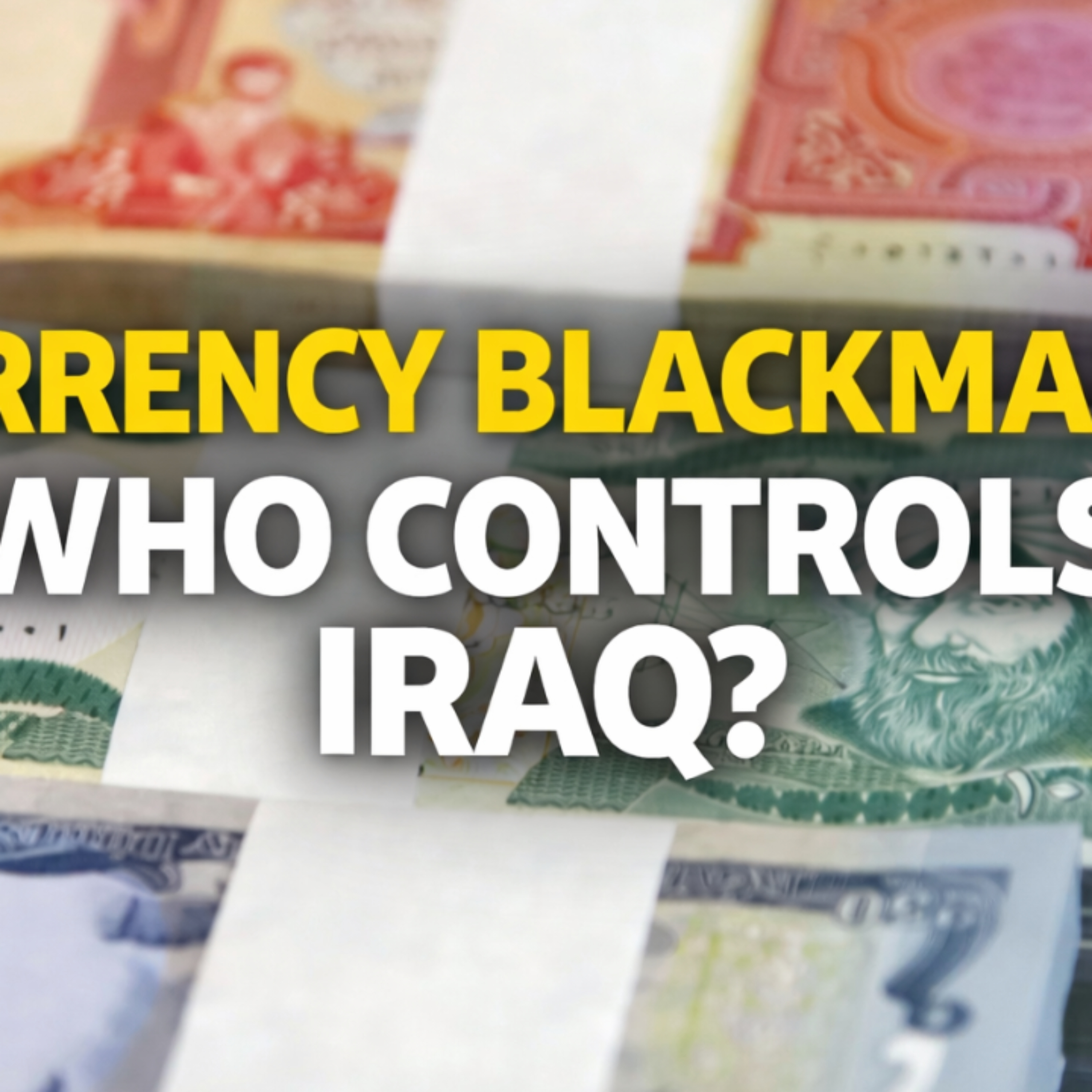
The Iraqi dinar is no longer just a currency -it has become a pressure point in a much larger political and economic struggle. Link to My FX Buddies BlogAnalysts argue that Iraq’s exchange-rate crisis reflects the deep fragility of a rentier, oil-dependent economy, where the dollar has shifted from a medium of trade into a tool of political influence. What once appeared as routine market volatility is now widely viewed as a reflection of mounting tension between Baghdad and Washington.Economic expert Haitham Al-Anbaki says the situation goes far beyond natural fluctuation. Iraq’s structural reliance on oil revenues, he argues, has left the country exposed to financial leverage — turning the economy into an open arena for pressure and conditional access to liquidity.If you'd like to Support the channel: https://cash.app/$tishwash.... https://paypal.me/tishwash.... a FREE transcript at: https://rss.com/podcasts/myfxbuddies....Any tightening of U.S. Treasury procedures or political signals from Washington now reverberates instantly through Iraqi markets — impacting exchange rates, food prices, inflation, and public confidence. According to the Ministry of Planning, inflation rose by 6%, a cost analysts describe as a “sovereignty tax” paid by citizens amid the struggle over dollar flows.By January 2026, the gap between the official exchange rate and the parallel market reached 15%, a level economists describe as a financial “thermometer” measuring the state of Iraq’s relationship with the U.S. financial system. Restrictions on transfers are increasingly viewed not as technical safeguards, but as a financial veto shaping liquidity, trade, and political timing.Politically, MP Ahmed Al-Sharmani argues that Washington has shifted from direct military intervention to soft financial intervention, using economic pressure to influence sovereign decisions — including government formation and foreign policy alignment.At the heart of the crisis lies a paradox:Iraq owns its money, but does not fully control it.With oil revenues deposited in accounts linked to New York, the country faces two difficult paths — continued monetary dependency, or the long and complex task of redefining its financial relationship with the world and building buffers that protect economic sovereignty.📌 Is the dollar now a geopolitical signal?📌 Can Iraq escape rentier dependency?📌 Is financial independence possible without isolation?🎧 Listen in for a deep dive into the politics behind the numbers — and what this crisis may mean for Iraq’s future.Thanks for Watching! Following Iraq’s Story - Stay Tuned!💰🔥
Embed this episode
NOW PLAYING
Time to Raise The Iraqi Dinar Rate? Who says so?
No transcript for this episode yet
Similar Episodes
No similar episodes found.
Similar Podcasts
No similar podcasts found.