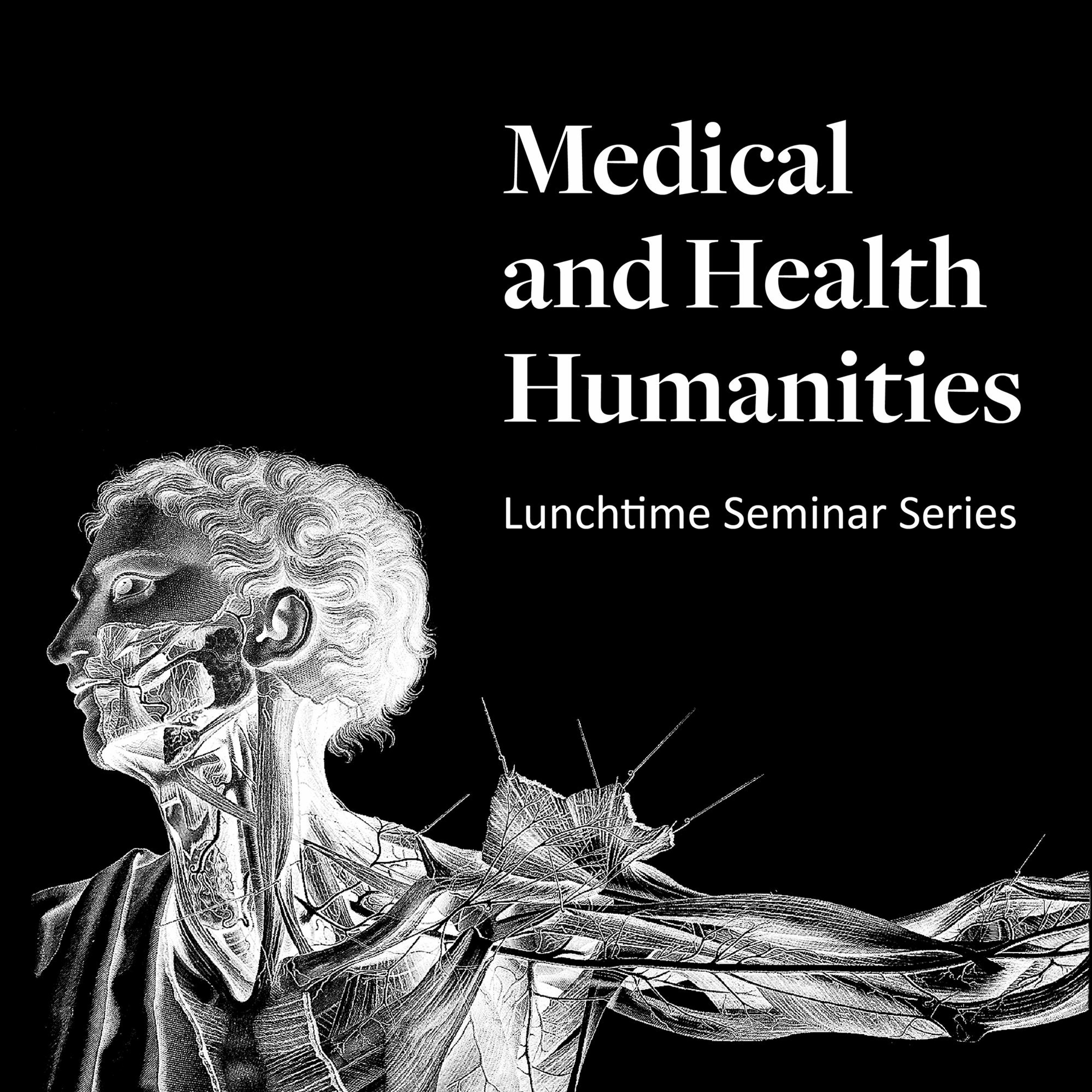
TLRH | Role of Dublin Workhouse Officials in Preventing and Contributing to Institutional Mortality episode artwork

EPISODE · May 13, 2022 · 55 MIN

TLRH | Role of Dublin Workhouse Officials in Preventing and Contributing to Institutional Mortality

from Trinity Long Room Hub Podcasts · host TLRHub

Wednesday, 6 April 2022, 12:30 – 1:30pm ‘“They attached no blame to the staff in charge”: The Role of Dublin Workhouse Officials in Preventing and Contributing to Institutional Mortality, 1872-1913’ a seminar by Shelby Zimmerman (TCD) as part of the Medical and Health Humanities Lunchtime Seminar Series in association with Trinity Long Room Hub. The Trinity College Dublin Medical and Health Humanities Initiative brings together researchers from a wide range of disciplines including history, philosophy, sociology, drama, health sciences, religion, cultural studies, arts, literature and languages. Medical and health humanities seeks to provide insights into the cultural and social contexts within which diverse but interrelated concerns such as the human condition, the individual experience of illness and suffering, and the way medicine is (or was) practiced, might be understood. The Trinity College Dublin Medical and Health Humanities initiative seeks to cultivate a richer understanding of the interactions and synergies between practices and discourses of wellness, health or medicine and the arts, humanities or culture through interdisciplinary research and education. During the Great Famine from 1845 to 1852, the Irish workhouse was associated in the public consciousness with dying and the mistreatment of the dead. By the end of the nineteenth century, the role of the workhouse shifted from poor relief to medical relief and thus became the largest and most accessible medical institution for the poor. Despite the workhouse’s newfound status as a medical institution, it was still plagued by the reputation of its Famine counterpart. Through an analysis of the North and South Dublin Unions, this paper will examine whether that stigma was warranted in post-Famine Dublin. It will look at the treatment of inmates to ascertain whether the Board of Guardians and medical officers were complicit in mortality rates. It will analyse ward management and staffing to determine whether negligence was inherent or a reflection on the medical officers. This paper will also examine how the Guardians responded to infectious disease and whether it revealed different attitudes towards different classes of inmates. Ultimately, this paper will determine if workhouse staff sought to reduce institutional mortality or contributed to the workhouse’s stigma. Speaker Biography Shelby Zimmerman is a PhD candidate at Trinity College Dublin studying the medicalisation of death in the Dublin city workhouses from 1872 to 1920 centring on the role the workhouse played in Dublin's medical landscape for the sick and dying poor. She is primarily interested in the history of medicine, institutions, the Irish Poor Law, poverty, and death. She received her BS in History and Museum Studies from Towson University in Maryland and her MPhil with Distinction from Trinity College Dublin in Modern Irish History. Shelby is an Early Career Researcher in the Trinity Long Room Hub Arts & Humanities Research Institute. She is also the co-curator of the Little Museum of Dublin’s upcoming exhibition on Victorian medicine. Learn more at: https://www.tcd.ie/trinitylongroomhub/

Wednesday, 6 April 2022, 12:30 – 1:30pm ‘“They attached no blame to the staff in charge”: The Role of Dublin Workhouse Officials in Preventing and Contributing to Institutional Mortality, 1872-1913’ a seminar by Shelby Zimmerman (TCD) as part of the Medical and Health Humanities Lunchtime Seminar Series in association with Trinity Long Room Hub. The Trinity College Dublin Medical and Health Humanities Initiative brings together researchers from a wide range of disciplines including history, philosophy, sociology, drama, health sciences, religion, cultural studies, arts, literature and languages. Medical and health humanities seeks to provide insights into the cultural and social contexts within which diverse but interrelated concerns such as the human condition, the individual experience of illness and suffering, and the way medicine is (or was) practiced, might be understood. The Trinity College Dublin Medical and Health Humanities initiative seeks to cultivate a richer understanding of the interactions and synergies between practices and discourses of wellness, health or medicine and the arts, humanities or culture through interdisciplinary research and education. During the Great Famine from 1845 to 1852, the Irish workhouse was associated in the public consciousness with dying and the mistreatment of the dead. By the end of the nineteenth century, the role of the workhouse shifted from poor relief to medical relief and thus became the largest and most accessible medical institution for the poor. Despite the workhouse’s newfound status as a medical institution, it was still plagued by the reputation of its Famine counterpart. Through an analysis of the North and South Dublin Unions, this paper will examine whether that stigma was warranted in post-Famine Dublin. It will look at the treatment of inmates to ascertain whether the Board of Guardians and medical officers were complicit in mortality rates. It will analyse ward management and staffing to determine whether negligence was inherent or a reflection on the medical officers. This paper will also examine how the Guardians responded to infectious disease and whether it revealed different attitudes towards different classes of inmates. Ultimately, this paper will determine if workhouse staff sought to reduce institutional mortality or contributed to the workhouse’s stigma. Speaker Biography Shelby Zimmerman is a PhD candidate at Trinity College Dublin studying the medicalisation of death in the Dublin city workhouses from 1872 to 1920 centring on the role the workhouse played in Dublin's medical landscape for the sick and dying poor. She is primarily interested in the history of medicine, institutions, the Irish Poor Law, poverty, and death. She received her BS in History and Museum Studies from Towson University in Maryland and her MPhil with Distinction from Trinity College Dublin in Modern Irish History. Shelby is an Early Career Researcher in the Trinity Long Room Hub Arts & Humanities Research Institute. She is also the co-curator of the Little Museum of Dublin’s upcoming exhibition on Victorian medicine. Learn more at: https://www.tcd.ie/trinitylongroomhub/

NOW PLAYING

TLRH | Role of Dublin Workhouse Officials in Preventing and Contributing to Institutional Mortality

0:00 55:13

No transcript for this episode yet

We transcribe on demand. Request one and we'll notify you when it's ready — usually under 10 minutes.

French Your Way Jessica: Native French teacher founder of French Your Way Boost your French listening skills and test your comprehension with this one of a kind series of podcasts. Get the chance to listen to a real conversation between native speakers talking at normal speed AND customise your learning experience through carefully designed sets of questions (2 levels of difficulty) available for download at www.frenchvoicespodcast.com. All interviews also come with the transcript. French teacher Jessica interviews native speakers of French from around the world who share a bit of their life and passion. Where else would you meet in one same place a French yoga teacher based in Melbourne, a soap manufacturer from Provence, or a couple cycling around the world? The Lee Olsen Show Lee Olsen CJF I want to help you improve all areas of your life by 3 types of podcasts!👉Blood, Sweat & Blessings-Interviews of normal people that have achieved BIG things!👉Series!!! For Love of the Horse- Brad Jackman DVM & Lee Olsen CJF, how to help your horse!👉Business Tips- Proven Life Changing Business Strategies with Lee Olsen 🎙️Truth and Testimony the Broadcast Ray Gauthier & Adrian Scott This Podcast discusses and teaches the word of God. You will hear about world news and how it relates to bible prophecy. You will also hear interviews and testimonies from men and women of God who have devoted their lives to serving Yeshua (Jesus). Hosted by Ray Gauthier and Adrian Scott. These two long term broadcast colleagues have joined forces once again to provide you the highest quality in broadcast excellence, all for the glory of Yahweh: the God of all creation!You can see most of the podcasts uploaded here at our Youtube Channel.https://www.youtube.com/@truthandtestimonythebroadcast Rich and Weekly Wondery We’re fascinated with the lives of both the famous and the infamous. From the Kardashians and Kendrick to Britney and the Bravo-verse, RICH AND WEEKLY is your dose of the hottest and latest celebrity news. Brooke Siffrinn and Aricia Skidmore-Williams, hosts of the hit series Even the Rich and Even the Royals, spill the tea, dish the dirt, and tell you exactly what they think. New episodes drop every Thursday.Listen to Rich and Weekly on the Wondery App or wherever you get your podcasts. You can listen to all episodes ad-free on Wondery+. Join Wondery+ in the Wondery App, Apple Podcasts or Spotify. Start your free trial by visiting wondery.com/links/rich-and-weekly/ now.

Frequently Asked Questions

How long is this episode of Trinity Long Room Hub Podcasts?

This episode is 55 minutes long.

When was this Trinity Long Room Hub Podcasts episode published?

This episode was published on May 13, 2022.

What is this episode about?

Wednesday, 6 April 2022, 12:30 – 1:30pm ‘“They attached no blame to the staff in charge”: The Role of Dublin Workhouse Officials in Preventing and Contributing to Institutional Mortality, 1872-1913’ a seminar by Shelby Zimmerman (TCD) as part of...

Can I download this Trinity Long Room Hub Podcasts episode?

Yes, you can download this episode by clicking the download button on the episode player, or subscribe to the podcast in your preferred podcast app for automatic downloads.
URL copied to clipboard!