
EPISODE · Dec 11, 2022 · 33 MIN
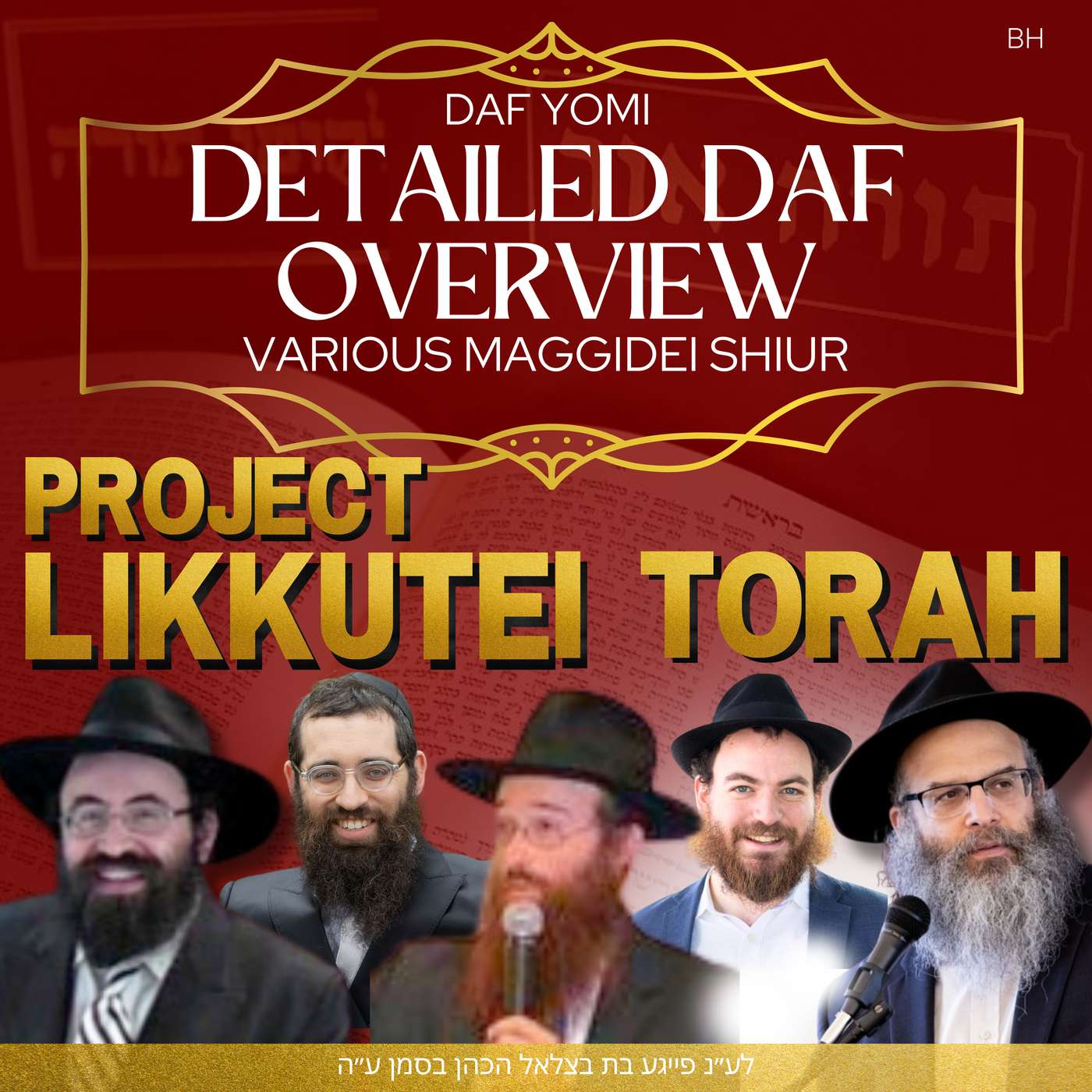
Torah Ohr Vayeishev Daf 28 (27c-28c) w/ Rabbi Dovid Leib Shmerling
from Detailed Daf Overview - Project Likkutei Torah · host Various Distinguished Maggidei Shiur
“Vehinei Anachnu Mealmim Alumim”Explanation of Sheviras Hakeilim: Hashem is completely one and beyond any multiplicity. The way Hashem introduces a multiplicity of beings which feel independent of Him is through the process of SH”K. What occurs can be compared to what happens when the letters of a word are separated from each other, in which case the content of the entire word (Or, i.e. the awareness of Elokus) is lost. This originally occurs in Tohu, and then develops throughout Seder Hishtalshelus (beginning in Olam Habriyah) in ever increasing degrees of multiplicity and self-awareness. The increasing multiplicity throughout S”H applies to Malachim, Neshamos, and Elokus. In Olam Haasiyah, there are many more than six hundred thousand Jews (that number refers to the origin of our Neshamos as they exist in Olam Habriyah), and the number of nitzotzot is greater than the 248 found in Atzilut. This accounts for the length of the Golus: only when we have finished refining the fallen “sparks” does Moshaich come.“Ma rabu maasecha Hashem, kulam b’Chochmah Asisah”: through our drawing down the level of Chochma, we introduce Elokus/Unity into our word of separation, by elevating the fallen sparks.“Vehinei Anachnu Mealmim Alamim”: The gathering of the Shevatim refers to their “gathering” and unifying of the individual “sparks”, which occurs in the “field”, i.e. Malchus of Atzilus.“Alumim” is also etymologically similar to “ileim”, mute. Whereas speech implies thethe attempt of one thing to influence another, muteness represents the quality of Bittul, in which one is occupied with receiving from/ nullified in the face of one’s source (e.g. Ilah v’Alul, a fetus in the womb). So too with the nitzotzot, which are initially individual, autonomous entities which are then subsumed in Elokus through the work of the Shevatim.However, the elevation of the sparks is insufficient to raise them to the level of unity that they originally had (from Bittul Hayes to Bittul b”Mitziyus) . This can only happen through a second, top-down elevation process which comes from Chochmah/Shem Mah. An example of this top-down elevation is that of the love and fear achieved on one’s own vs. the love and fear that can only be given to a person by Hashem. (Yichud Yechudah Ilaah B’Yichudah Tataah). This second level of Bittul happens through the channeling of Or Ein Sof (as it is in Chochmah), which normally stops at Malchus of Atzilus, into BIY”A. This is the level of Yosef. This unique role of Yosef is expressed in the continuation of the above posuk: “vehinei tisuvah alumoseichem vatishtachavenah lalumsi”. This bowing implies both Bittul and Hamshacha. It is through the initial Bittul caused by the Shevatim that they draw down the higher level of Bittul of Yosef.ConceptsSheviras HekeilimYichud/Bittul vs. Pirud/YeshusBirur HaNitzotzosYechudah Ilaah/ Yechudah Tataah Support the show ★ Support this podcast ★
What this episode covers
“Vehinei Anachnu Mealmim Alumim”Explanation of Sheviras Hakeilim: Hashem is completely one and beyond any multiplicity. The way Hashem introduces a multiplicity of beings which feel independent of Him is through the process of SH”K. What occurs can be compared to what happens when the letters of a word are separated from each other, in which case the content of the entire word (Or, i.e. the awareness of Elokus) is lost. This originally occurs in Tohu, and then develops throughout Seder Hishtalshelus (beginning in Olam Habriyah) in ever increasing degrees of multiplicity and self-awareness. The increasing multiplicity throughout S”H applies to Malachim, Neshamos, and Elokus. In Olam Haasiyah, there are many more than six hundred thousand Jews (that number refers to the origin of our Neshamos as they exist in Olam Habriyah), and the number of nitzotzot is greater than the 248 found in Atzilut. This accounts for the length of the Golus: only when we have finished refining the fallen “sparks” does Moshaich come.“Ma rabu maasecha Hashem, kulam b’Chochmah Asisah”: through our drawing down the level of Chochma, we introduce Elokus/Unity into our word of separation, by elevating the fallen sparks.“Vehinei Anachnu Mealmim Alamim”: The gathering of the Shevatim refers to their “gathering” and unifying of the individual “sparks”, which occurs in the “field”, i.e. Malchus of Atzilus.“Alumim” is also etymologically similar to “ileim”, mute. Whereas speech implies thethe attempt of one thing to influence another, muteness represents the quality of Bittul, in which one is occupied with receiving from/ nullified in the face of one’s source (e.g. Ilah v’Alul, a fetus in the womb). So too with the nitzotzot, which are initially individual, autonomous entities which are then subsumed in Elokus through the work of the Shevatim.However, the elevation of the sparks is insufficient to raise them to the level of unity that they originally had (from Bittul Hayes to Bittul b”Mitziyus) . This can only happen through a second, top-down elevation process which comes from Chochmah/Shem Mah. An example of this top-down elevation is that of the love and fear achieved on one’s own vs. the love and fear that can only be given to a person by Hashem. (Yichud Yechudah Ilaah B’Yichudah Tataah). This second level of Bittul happens through the channeling of Or Ein Sof (as it is in Chochmah), which normally stops at Malchus of Atzilus, into BIY”A. This is the level of Yosef. This unique role of Yosef is expressed in the continuation of the above posuk: “vehinei tisuvah alumoseichem vatishtachavenah lalumsi”. This bowing implies both Bittul and Hamshacha. It is through the initial Bittul caused by the Shevatim that they draw down the higher level of Bittul of Yosef.ConceptsSheviras HekeilimYichud/Bittul vs. Pirud/YeshusBirur HaNitzotzosYechudah Ilaah/ Yechudah Tataah Support the show
NOW PLAYING
Torah Ohr Vayeishev Daf 28 (27c-28c) w/ Rabbi Dovid Leib Shmerling
No transcript for this episode yet
Similar Episodes
Apr 23, 2026 ·62m
Mar 19, 2026 ·75m
Mar 12, 2026 ·67m
Mar 2, 2026 ·65m