
EPISODE · Feb 17, 2026 · 19 MIN
tPA-Induced Angioedema
from All Things Angioedema – Learning about angioedema with Dr. Thomas Buttgereit · host ACARE, the Global Allergy and Asthma Excellence Network for Angioedema
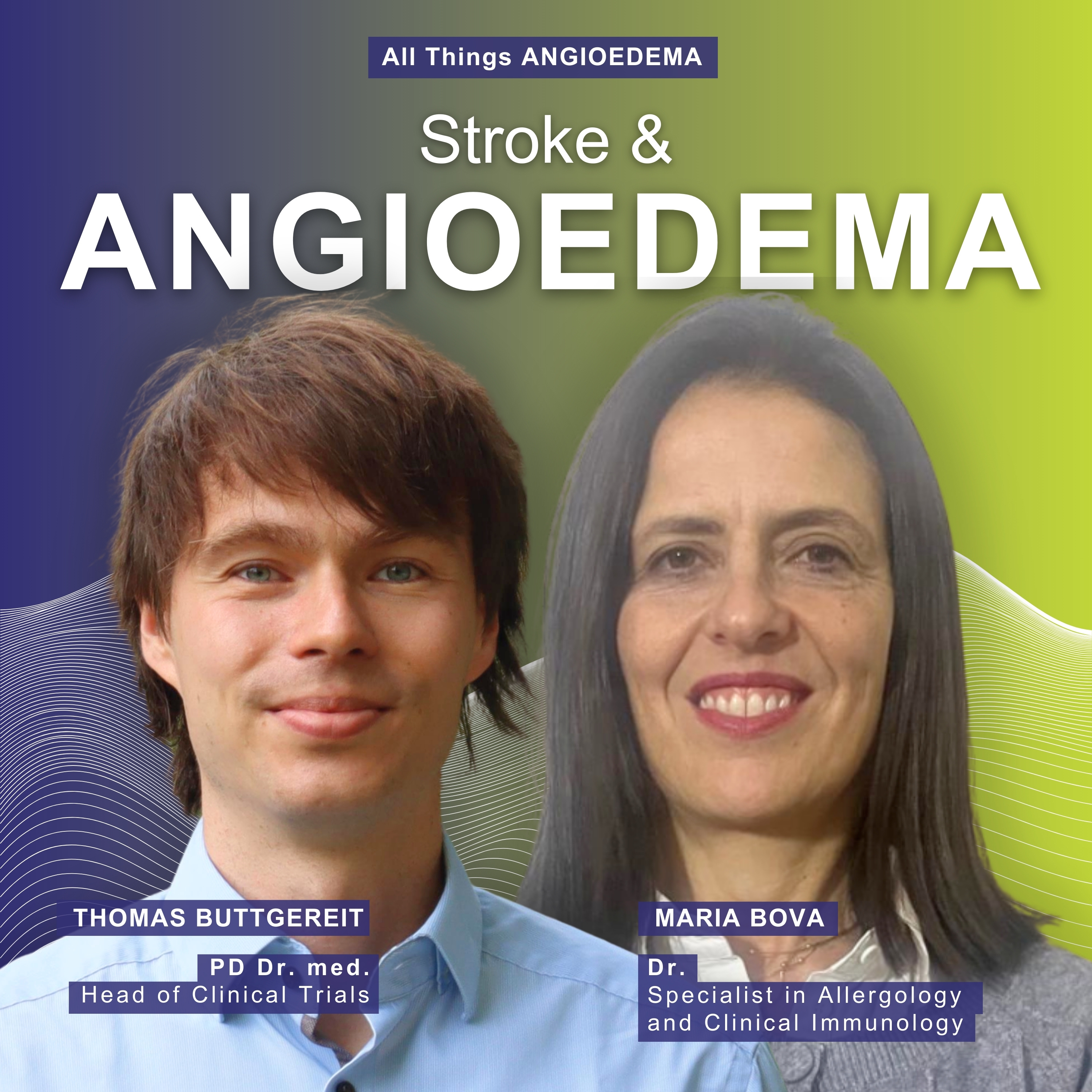
In this episode of All Things Angioedema, Dr. Thomas Buttgereit speaks with Dr. Maria Bova, allergist and clinical immunologist from Naples, Italy, about a rare but potentially life-threatening form of angioedema: angioedema induced by thrombolytic therapy, particularly tissue plasminogen activator (tPA).They discuss:🔹 What is tPA-induced angioedema and how often does it occur in stroke patients? 🔹 Why is this condition frequently underrecognized in emergency and intensive care settings? 🔹 What clinical features distinguish it from histaminergic and hereditary angioedema? 🔹 Which pathophysiological mechanisms are likely involved, including bradykinin activation? 🔹 What new research findings suggest immune cell dysregulation in affected patients? 🔹 Which patient- and treatment-related risk factors may increase susceptibility? 🔹 How should clinicians approach diagnosis and acute management in the absence of clear guidelines? Dr. Bova shares novel insights from her group’s research, including evidence for activation of the kallikrein-kinin system and elevated cleaved high-molecular-weight kininogen during attacks. The discussion highlights the urgent need for greater awareness, interdisciplinary collaboration between neurologists and immunologists, and clearer treatment algorithms, especially given the limitations of standard antihistamine and corticosteroid therapy in this condition. The episode concludes with a look toward future thrombolytic agents and their potential role in reducing angioedema risk. Key Learnings from the Episode:tPA-induced angioedema is a rare but serious complication of thrombolytic therapy. Prevalence varies widely and is likely underestimated in emergency settings. Angioedema typically develops within two hours after tPA administration. Common sites include lips, tongue, face, eyelids, and upper airways. The condition occurs without urticaria or itching and may last up to 24 hours. Evidence suggests a predominantly bradykinin-mediated mechanism. Immune cell activation and kallikrein-kinin system dysregulation play a role. Standard treatments (antihistamines, corticosteroids, adrenaline) are often ineffective. Bradykinin-targeted therapies such as icatibant or C1 inhibitor may be beneficial. Awareness among neurologists significantly increases detection rates. Multidisciplinary collaboration is essential for early recognition and management. New thrombolytic agents may reduce angioedema risk, but data are still limited. Chapters:00:00 Introduction to Angioedema and TPA01:43 Meet Dr. Maria Bova: Expert Insights03:00 Prevalence and Recognition of TPA-Induced Angioedema04:58 Pathophysiology of TPA-Induced Angioedema08:55 Risk Factors for Angioedema in Stroke Patients11:53 Clinical Presentation and Symptoms13:12 Treatment Approaches for Angioedema16:00 Awareness and Multidisciplinary StrategiesDo you have suggestions for future episodes? Please provide feedback and offer your suggestions for future topics and expert selection here.Feedback form ATA: https://forms.office.com/e/ZWxx3D4Cmr
Embed this episode
Ready to play
tPA-Induced Angioedema
No transcript for this episode yet
Similar Episodes
No similar episodes found.
Similar Podcasts
No similar podcasts found.