
EPISODE · Jun 25, 2026 · 0 MIN
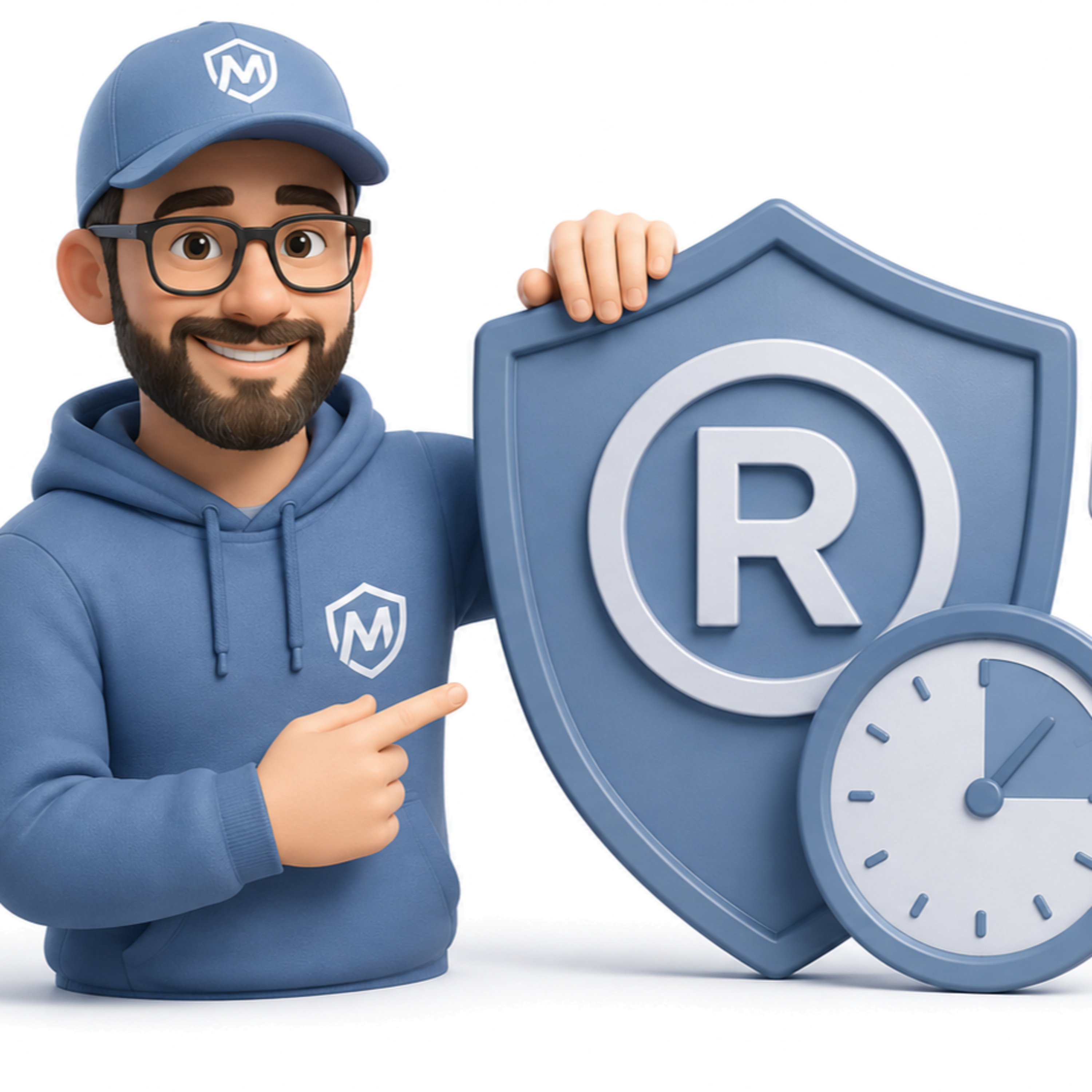
🛡️ Trademark Opposition Period: The 30-Day Window That Can Make or Break Your Brand
from 🎙 Inventive Journey | Real Stories From the Startup Survival Club
In this episode-style breakdown, we unpack the trademark opposition period: the short window after a trademark application is published when another party can object before registration. It sounds like a tiny procedural detail. It is not. For founders, small business owners, creators, agencies, product companies, and growing brands, this window can affect launch timing, registration strategy, investor confidence, and whether your shiny new brand name survives contact with reality.In the United States, the trademark opposition period is generally 30 days after publication in the USPTO Trademark Official Gazette. That means a trademark being approved for publication is not the same as being registered. It means the examining attorney has cleared the application for public notice, and now third parties get a chance to speak up if they believe registration would damage them.We explain why that matters in normal business language, not “someone fell asleep in a law library” language. The most common reason for opposition is likelihood of confusion. Another business may claim that your mark is too similar to theirs because of the name, logo, sound, meaning, products, services, customers, or sales channels. The two marks do not have to be identical. Trademark law is perfectly capable of side-eyeing creative spelling.We also cover what opposition can do to a business. It can delay registration, trigger legal expenses, force negotiation, complicate fundraising, disrupt packaging decisions, or push a company toward rebranding. That does not mean every opposition is catastrophic. Some disputes settle. Some parties narrow goods and services. Some brands reach coexistence agreements. But ignoring the risk is a great way to turn a 30-day window into a 300-day headache.This discussion is especially useful if you are preparing to file a trademark, waiting for publication, monitoring competitors, expanding into new product lines, or building a brand you hope to license, franchise, sell, or scale. A trademark is not just a decorative business accessory. It is a piece of commercial infrastructure. Treating it casually is like building your checkout system on a napkin and optimism.You will learn why clearance searches matter before filing, why publication is not the finish line, why existing brand owners should monitor new applications, and why international timelines can differ. Canada generally has a two-month opposition period after advertisement. The European Union generally has a three-month opposition period after publication. Translation: global brand strategy needs more than one deadline and a prayer.We also talk about the practical side. What should you do before filing? Search broadly. Look for similar names, spellings, meanings, logos, goods, services, app names, marketplace listings, domains, and social handles. What should you do after publication? Track the date, monitor for extensions or oppositions, and respond quickly if a challenge appears. What should existing trademark owners do? Watch new applications that could create confusion before they become registered rights.The big takeaway: the trademark opposition period may be short, but it is not small. It is a final checkpoint before registration, and it deserves real attention from anyone serious about protecting brand value.By the end, you will have a clearer sense of when to celebrate, when to slow down, and when to call in help before a brand problem becomes a business problem. Because nothing says “startup adventure” quite like discovering your new product name has a legal speed bump right after the marketing team ordered hoodies. Watch the clock.To chat about this one-on-one, grab a free consult at strategymeeting.com
Embed this episode
NOW PLAYING
🛡️ Trademark Opposition Period: The 30-Day Window That Can Make or Break Your Brand
No transcript for this episode yet
Similar Episodes
No similar episodes found.
Similar Podcasts
No similar podcasts found.