PodParley PodParley

Trump Trials update for 02-03-2025

It's been a whirlwind few days for Donald Trump, the first criminal president in U.S. history. On January 20, Trump returned to office despite being convicted of 34 felony counts of falsifying business records in a New York trial court. The case stems...

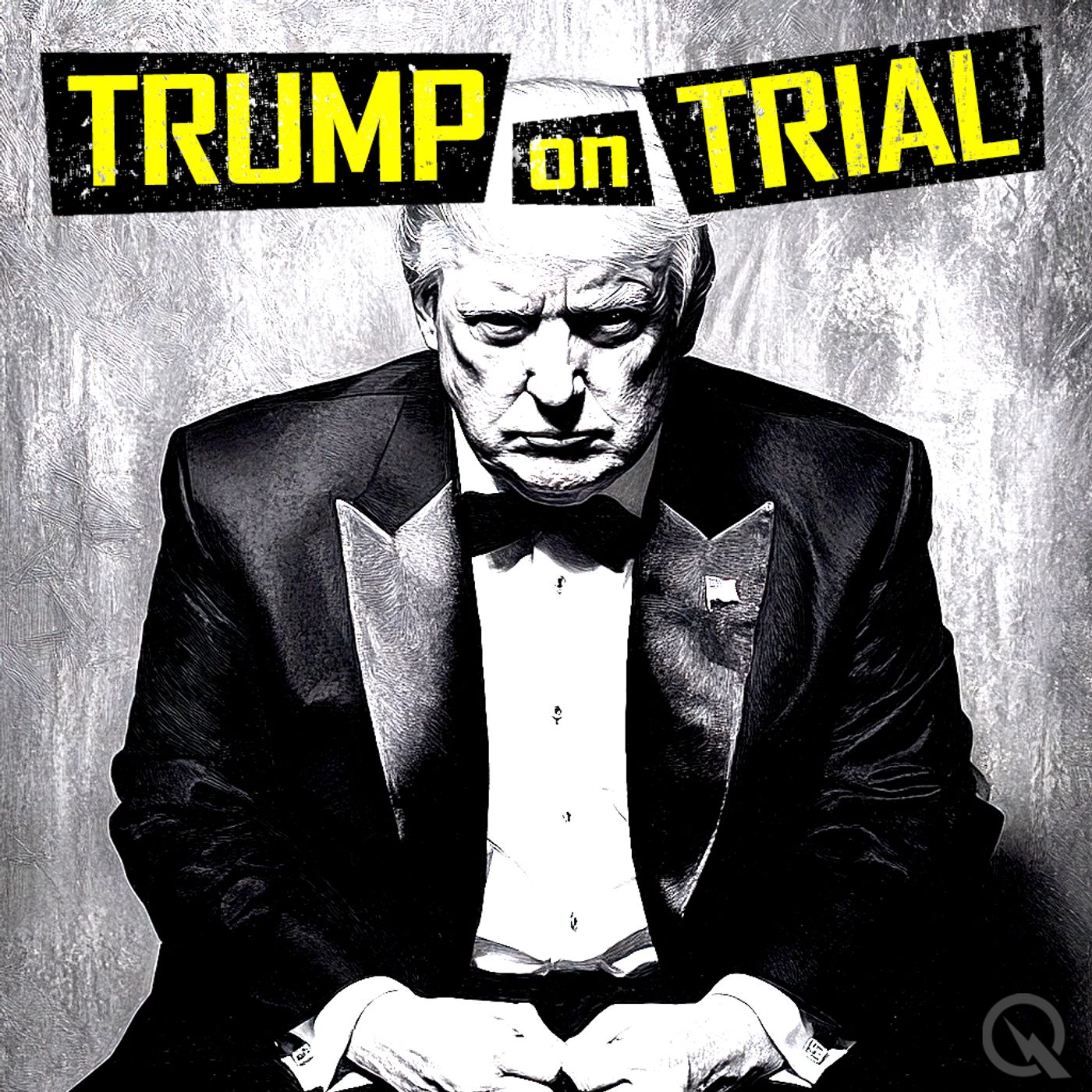
An episode of the Trump on Trial podcast, hosted by Inception Point Ai, titled "Trump Trials update for 02-03-2025" was published on February 3, 2025 and runs 2 minutes.

February 3, 2025 ·2m · Trump on Trial

0:00 / 0:00

It's been a whirlwind few days for Donald Trump, the first criminal president in U.S. history. On January 20, Trump returned to office despite being convicted of 34 felony counts of falsifying business records in a New York trial court. The case stems from his efforts to illegally influence the 2016 presidential election by hiding reimbursements made to adult film star Stormy Daniels.The trial court granted Trump an "unconditional discharge," meaning he won't face imprisonment, probation, or a fine. However, the conviction remains on his record, making him the first and only criminal elected to the presidency. Trump's legal team has been working to overturn the conviction, pointing to the landmark Supreme Court decision in Trump v. United States, which could potentially lead to the reversal of his New York conviction.In Trump v. United States, the Supreme Court established a new constitutional rule that evidence related to a president's "official acts" cannot be admitted in subsequent criminal cases unless prosecutors clear a high legal threshold. Trump's team argues that the trial court failed to follow this new framework, which could render the conviction invalid.Before his sentencing, Trump asked the Supreme Court to intervene and block the proceedings, claiming that the charges were politically motivated and that he was entitled to presidential immunity. However, New York prosecutors urged the justices to allow the sentencing to go ahead as scheduled, emphasizing that Trump's conviction rests on conduct for which he is not entitled to immunity.The prosecutors argued that Trump can attend the sentencing hearing by video to minimize any burden and that he can appeal after being sentenced. They also dismissed Trump's suggestion that he cannot be sentenced because he is the president-elect, stating that no judicial decision or guidance from the Department of Justice has ever recognized that the unique temporary immunity of the sitting president extends to the president-elect.Despite Trump's efforts to have the Supreme Court intervene, the justices declined his request. However, four conservative justices – Alito, Gorsuch, Kavanaugh, and Thomas – publicly noted their disagreement with this decision, signaling that they may be ready to take up the issue of Trump's conviction sooner rather than later.As the case heads to the New York Court of Appeals, Trump's legal team is likely to continue arguing that the Supreme Court's decision in Trump v. United States requires the conviction to be erased. The Supreme Court's eventual involvement seems inevitable, and the outcome could have significant implications for Trump's presidency and the institution of the presidency as a whole.This content was created in partnership and with the help of Artificial Intelligence AI

It's been a whirlwind few days for Donald Trump, the first criminal president in U.S. history. On January 20, Trump returned to office despite being convicted of 34 felony counts of falsifying business records in a New York trial court. The case stems from his efforts to illegally influence the 2016 presidential election by hiding reimbursements made to adult film star Stormy Daniels.

The trial court granted Trump an "unconditional discharge," meaning he won't face imprisonment, probation, or a fine. However, the conviction remains on his record, making him the first and only criminal elected to the presidency. Trump's legal team has been working to overturn the conviction, pointing to the landmark Supreme Court decision in Trump v. United States, which could potentially lead to the reversal of his New York conviction.

In Trump v. United States, the Supreme Court established a new constitutional rule that evidence related to a president's "official acts" cannot be admitted in subsequent criminal cases unless prosecutors clear a high legal threshold. Trump's team argues that the trial court failed to follow this new framework, which could render the conviction invalid.

Before his sentencing, Trump asked the Supreme Court to intervene and block the proceedings, claiming that the charges were politically motivated and that he was entitled to presidential immunity. However, New York prosecutors urged the justices to allow the sentencing to go ahead as scheduled, emphasizing that Trump's conviction rests on conduct for which he is not entitled to immunity.

The prosecutors argued that Trump can attend the sentencing hearing by video to minimize any burden and that he can appeal after being sentenced. They also dismissed Trump's suggestion that he cannot be sentenced because he is the president-elect, stating that no judicial decision or guidance from the Department of Justice has ever recognized that the unique temporary immunity of the sitting president extends to the president-elect.

Despite Trump's efforts to have the Supreme Court intervene, the justices declined his request. However, four conservative justices – Alito, Gorsuch, Kavanaugh, and Thomas – publicly noted their disagreement with this decision, signaling that they may be ready to take up the issue of Trump's conviction sooner rather than later.

As the case heads to the New York Court of Appeals, Trump's legal team is likely to continue arguing that the Supreme Court's decision in Trump v. United States requires the conviction to be erased. The Supreme Court's eventual involvement seems inevitable, and the outcome could have significant implications for Trump's presidency and the institution of the presidency as a whole.

This content was created in partnership and with the help of Artificial Intelligence AI
hispanic with common sense tony woods Welcome to Tony woods podcast .where you can hear a Puerto Rican speak his mind on any topic especially on president trump .. BehYnd Closed Doors Kim Anderson BYU is ranked among the least LGBT-friendly campuses in the country. At a privately owned, religious institution with a strict honor code system, the podcast series gets an undercover look at the riveting stories of queer BYU students. Religious pressures, suppression, and secrecy, Kim and Zack uncover what really happens BehYnd Closed Doors.The series fuels a wide variety of topics with personal, social, and political implications. Laugh at some of the darndest things straight people say, hear a mother’s love for her trans-daughter, and get heated in a debate on Donald Trump. The controversial dialogue pays no respect to extreme ends of the political spectrum. The hosts throw political correctness out the window while addressing the confusion and misunderstandings that often surround LGBT people in the Mormon community. The real-life experiences tell a narrative of ostracism, prejudice, and judgment. The tear-jerking stories will open your heart. The political and philosophical di Trump Impeachment Assessment clark Hillman This podcast is on the topic of the Trump impeachment case and some other examples of the impeachment process In our history. Deep Dish on Global Affairs The Chicago Council on Global Affairs Deep Dish on Global Affairs helps you make sense of our rapidly changing world. Join host Leslie Vinjamuri, President and CEO of the Chicago Council on Global Affairs, as she speaks with thought leaders, journalists, and experts shaping foreign policy and global events. Together, they go beyond the headlines, explaining how events unfolded, why they matter, and what to watch for. Can global trade survive the shock of Trump's tariffs? What's behind the global race for AI dominance? New episodes every Thursday.Learn more at https://globalaffairs.org/deep-dish
URL copied to clipboard!