
EPISODE · Jun 15, 2026 · 4 MIN
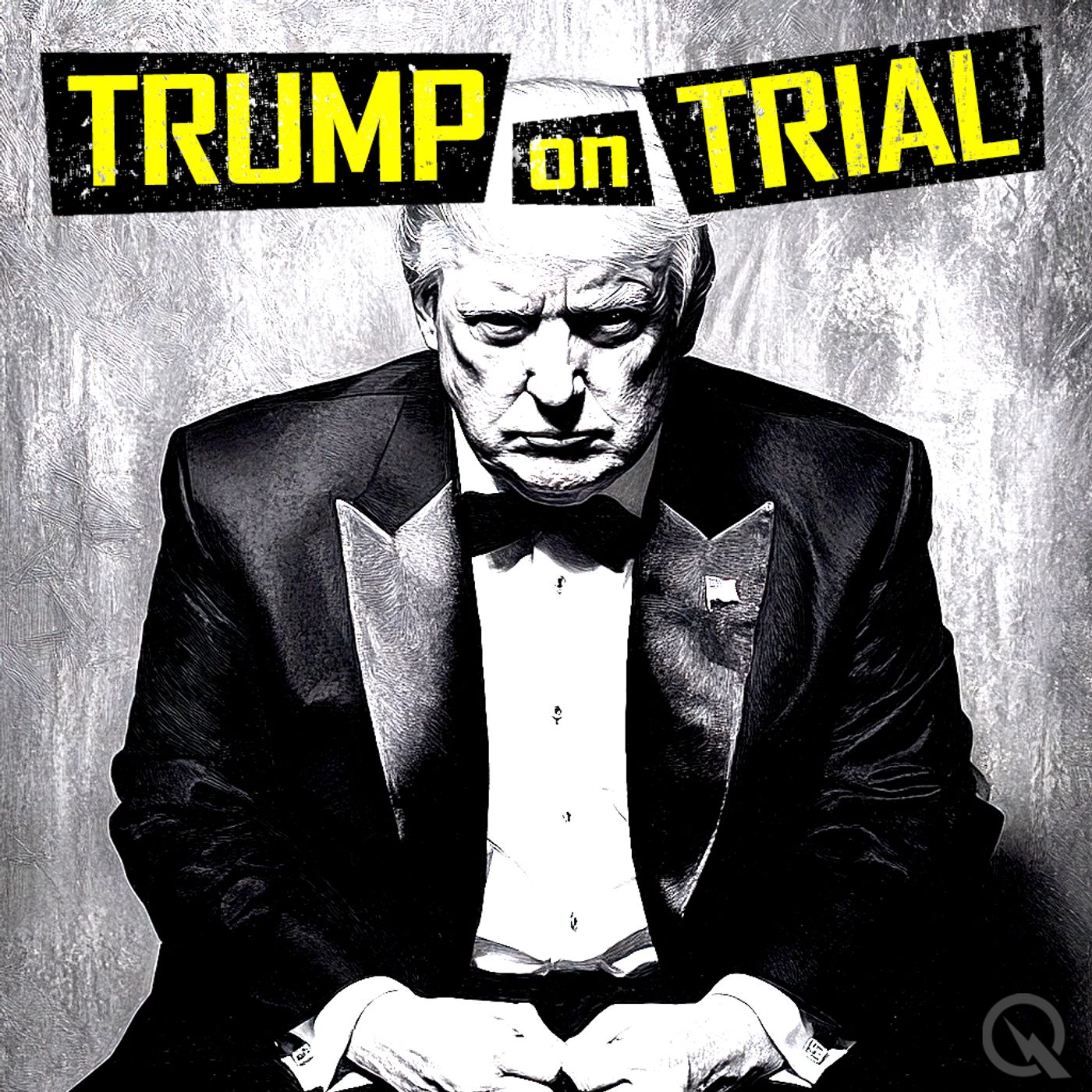
Trump's Four Legal Battles: Hush Money Verdict, Classified Documents, Election Interference, and Georgia Racketeering Case Explained
from Trump on Trial · host Inception Point AI
The story of Donald Trump’s court battles over the past few days has felt less like a legal calendar and more like a rolling constitutional stress test, and listeners, you and I are watching it in real time. In New York, the hush money criminal case continues to cast a long shadow. After the jury’s guilty verdict on dozens of felony counts related to falsifying business records, the focus lately has shifted from what happened at trial to what comes next: sentencing and appeals. Reporters from the New York Times and CNN have described Trump’s legal team rushing to frame the conviction as legally flawed and politically motivated, laying the groundwork for an appeal that could stretch well into the presidential campaign season. At the same time, court watchers like those on Court TV have emphasized how unusual it is to see a former president, and active candidate, facing potential probation or even a custodial sentence from a New York judge. Down in Florida, in the federal classified documents case, the action over the past several days has largely been on paper, but the stakes are enormous. According to coverage from the Washington Post and Politico, Judge Aileen Cannon has been wrestling with a blizzard of motions: Trump’s lawyers pushing to dismiss the indictment, to limit what prosecutors can show a jury under the Classified Information Procedures Act, and to delay any trial date deeper into the election cycle. Prosecutors tied to Special Counsel Jack Smith, as reported by NBC News, have pushed back hard, arguing that no citizen, even a former president, can store national defense documents at a private club and then refuse to give them back. The judge’s most recent hearings, summarized by legal analysts at Lawfare and Just Security, suggest a cautious, methodical pace, one that has critics accusing the court of slow‑walking the case and supporters saying it is simply giving the defense the process any defendant would get. In Washington, D.C., the federal election interference case is mostly frozen while the Supreme Court weighs in on Donald Trump’s sweeping claim of presidential immunity. SCOTUSblog and Oyez have detailed how Trump’s attorneys argued that many of the acts underlying the indictment, from pressuring officials to challenging the vote count, were “official acts” insulated from prosecution. Justice Department lawyers responded that immunity has never covered a president’s attempt to overturn an election. Over the past week, commentators on MSNBC and Fox News alike have focused on one thing: the clock. Every day the Supreme Court takes to finalize its opinion is another day the D.C. trial cannot realistically start, and many analysts now say it is increasingly unlikely that listeners will see a full trial there before the next Election Day. Back in Georgia, in Fulton County, the state racketeering case over efforts to overturn the 2020 result has been dominated by fights over District Attorney Fani Willis. According to the Atlanta Journal‑Constitution, recent hearings have revisited questions about her past relationship with a special prosecutor and whether that creates a conflict of interest strong enough to derail the case. Trump’s lawyers have used those allegations to call the entire prosecution tainted, while Georgia legal experts quoted by the Associated Press point out that even if Willis were removed, the charges themselves would not automatically disappear. But the practical effect is delay; jury selection that once seemed imminent now looks distant. Put together, these last few days in Trump’s legal world have been about timing, positioning, and perception rather than dramatic witness testimony. Appeals are being prepared in New York. Motions are grinding forward in Florida. The Supreme Court’s looming immunity decision hovers over Washington. And procedural battles in Georgia test how far a state court can go in holding a former president to account. Listeners, however you feel about Donald Trump, the court system is quietly answering a question it has never quite faced before: how to treat a man who is simultaneously a criminal defendant, a former president, and a leading candidate for the White House. That tension is why every small filing, every scheduling order, every judicial comment has been dissected so intensely over the last few days by outlets from Reuters to CBS News. Thank you for tuning in. Come back next week for more. This has been a Quiet Please production, and for more, check out Quiet Please dot A I. Some great Deals https://amzn.to/49SJ3Qs For more check out http://www.quietplease.ai
Embed this episode
NOW PLAYING
Trump's Four Legal Battles: Hush Money Verdict, Classified Documents, Election Interference, and Georgia Racketeering Case Explained
No transcript for this episode yet
Similar Episodes
No similar episodes found.
Similar Podcasts
No similar podcasts found.