
EPISODE · Oct 7, 2025 · 12 MIN
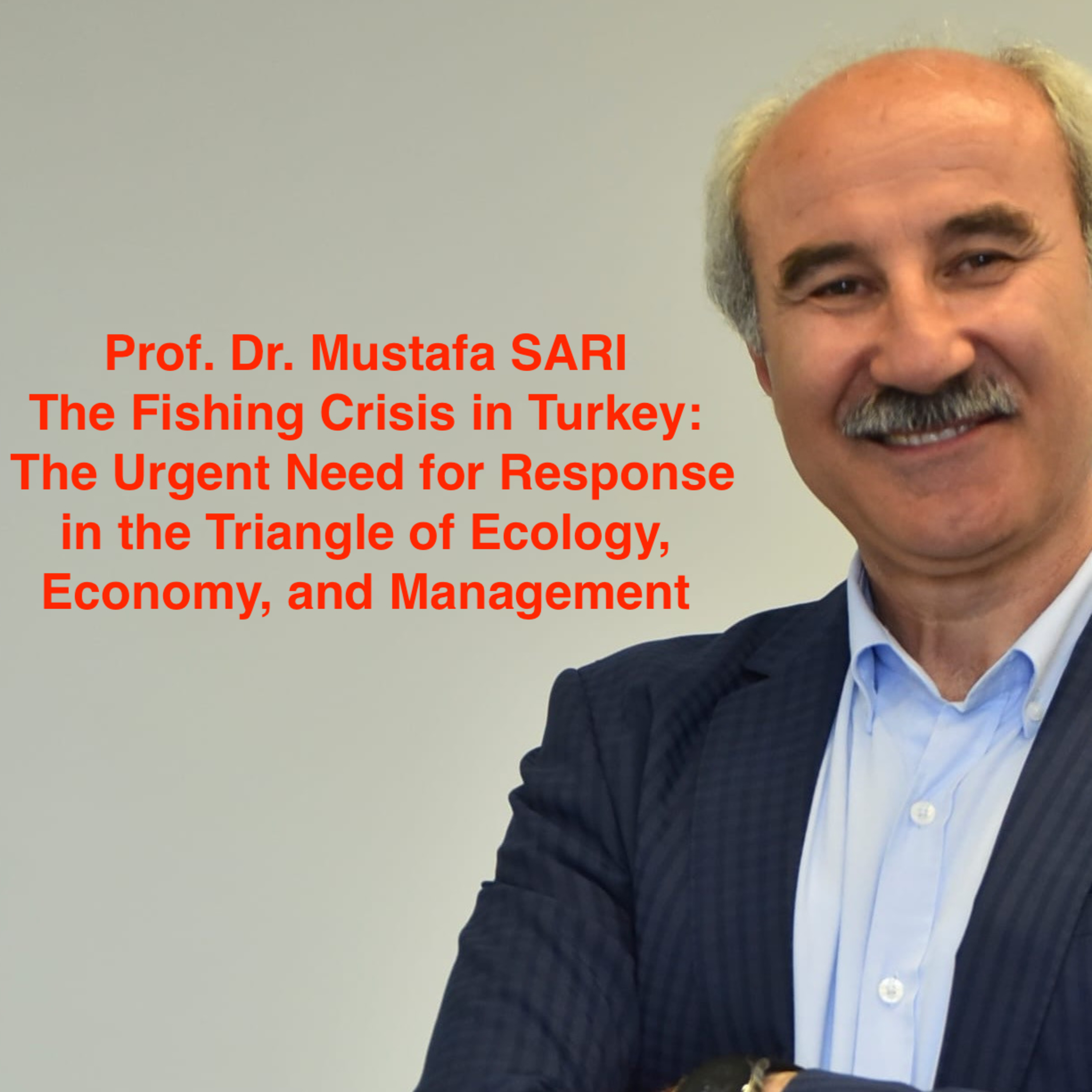
Türkiye's Fisheries Crisis: Ecology, Economy, and Management
from HAKAN AKARCALI PodcastBox / Özgün Eser İncelemeleri / Reviews of Original Works · host Hakan AKARCALI
Prof. Dr. Mustafa Sarı's study, titled “Fishing: Problems, Proposed Solutions, and Management in Türkiye,” clearly outlines the structural, economic, and environmental problems facing Turkish fishing. This academic excerpt delivers a stark analysis of the dire ecological, economic, and management woes plaguing Turkish fisheries, urging a profound overhaul. Key threats include overbuilt fleets, soaring costs, rampant illegal fishing, and pollution spikes like mucilage blooms. Misguided subsidies and legal gaps jeopardize stocks, biodiversity, and coastal livelihoods. The text proposes a phased roadmap—from swift bans on juvenile catches and bolstered patrols to embracing Ecosystem-Based Fisheries Management (EAF)—to forestall marine collapse.Systemic and Structural Failures Driving the CrisisTürkiye's fisheries teeter on unsustainable edges due to intertwined governance lapses, economic distortions, capacity overloads, and enforcement voids.Excess capacity looms largest: fleets balloon despite license caps, fueled by shipyard output and upgrades yielding bigger boats, vast nets, and advanced sonar. This amplifies harvest beyond renewal rates.Economic traps deepen the rift. Subsidies perversely spur expansion, ignoring sustainability rewards. Soaring fuel, gear, and labor costs trap fishers in debt spirals, breeding a desperate "grab-now" ethos that overtaxes seas.Governance falters on reactive footing, clinging to species silos over EAF's holistic weave of stocks, habitats, pressures, and climate. Oversight bodies are understaffed and ill-equipped for inspections, lacking tech and know-how. Absent co-management, fisher guilds, locals, and scientists sit sidelined, with monopolies stifling input.Legal snarls breed chaos: laws clash with decrees, carving loopholes—like Marmara's algarna trawling amid trawler bans. Scant patrols and limp penalties let illegal, unreported, unregulated (IUU) fishing flourish unchecked.Ecologically, seas choke on coastal dumps, factory runoff, and sewage, birthing mucilage alarms in Marmara. Short-sighted aquaculture devours juvenile forage from Black Sea hauls, gutting the food web's base—"no small fish, no big fish."Coastal fragility compounds woes: fishing-dependent towns face poverty, unrest, and exodus sans alternatives, goading illicit acts.Solutions pivot to proactive, ecosystem-wide stewardship, easing overcapacity, pollution, crashes, costs, and community strains via urgent, short-medium, and medium-long strides.Immediate Interventions target halt-points for devastation and deterrence. Emergency curbs shield Bosphorus-Marmara corridors, granting habitats recovery. Bans end juvenile transport to aquaculture pens, safeguarding web foundations biologically, not just fiscally. Mobile squads with drones and port sweeps curb poaching, bolstering legal operators. Conditional aid—gear swaps, buybacks—eases debt sans fueling fleets, trimming pressure directly.Short-Medium Reforms fortify institutions and incentives. Vessel trackers and inspections quash IUU, hiking compliance. Pingers and training slash dolphin bycatch, upholding biodiversity. License redemptions downsize fleets, cutting costs and loads. Law harmonization seals gaps, axing Marmara trawler exemptions. Medium-Long Transformations rebuild resilience. EAF embeds holistic safeguards against collapse, blending stocks, habitats, and climate. Co-management dissolves guild monopolies, weaving fishers, officials, and experts for grounded decisions. Traceability certifications and eco-preferences secure markets and public buys, tracing safe foods. Livelihood pivots—ecotourism, seagrass revivals, small ventures—buffer poverty, curbing fishing reliance and illegality. Beefed research yields stock checks and data hubs for adaptive policy.Swift penalties and enforcement underscore urgency: seas brook no delays, lest policy voids doom services and heritage irretrievably.Phased Actions to Tackle Ecological and Socioeconomic Perils
What this episode covers
Prof. Dr. Mustafa Sarı's study, titled “Fishing: Problems, Proposed Solutions, and Management in Türkiye,” clearly outlines the structural, economic, and environmental problems facing Turkish fishing. This academic excerpt delivers a stark analysis of the dire ecological, economic, and management woes plaguing Turkish fisheries, urging a profound overhaul. Key threats include overbuilt fleets, soaring costs, rampant illegal fishing, and pollution spikes like mucilage blooms. Misguided subsidies and legal gaps jeopardize stocks, biodiversity, and coastal livelihoods. The text proposes a phased roadmap—from swift bans on juvenile catches and bolstered patrols to embracing Ecosystem-Based Fisheries Management (EAF)—to forestall marine collapse.Systemic and Structural Failures Driving the CrisisTürkiye's fisheries teeter on unsustainable edges due to intertwined governance lapses, economic distortions, capacity overloads, and enforcement voids.Excess capacity looms largest: fleets balloon despite license caps, fueled by shipyard output and upgrades yielding bigger boats, vast nets, and advanced sonar. This amplifies harvest beyond renewal rates.Economic traps deepen the rift. Subsidies perversely spur expansion, ignoring sustainability rewards. Soaring fuel, gear, and labor costs trap fishers in debt spirals, breeding a desperate "grab-now" ethos that overtaxes seas.Governance falters on reactive footing, clinging to species silos over EAF's holistic weave of stocks, habitats, pressures, and climate. Oversight bodies are understaffed and ill-equipped for inspections, lacking tech and know-how. Absent co-management, fisher guilds, locals, and scientists sit sidelined, with monopolies stifling input.Legal snarls breed chaos: laws clash with decrees, carving loopholes—like Marmara's algarna trawling amid trawler bans. Scant patrols and limp penalties let illegal, unreported, unregulated (IUU) fishing flourish unchecked.Ecologically, seas choke on coastal dumps, factory runoff, and sewage, birthing mucilage alarms in Marmara. Short-sighted aquaculture devours juvenile forage from Black Sea hauls, gutting the food web's base—"no small fish, no big fish."Coastal fragility compounds woes: fishing-dependent towns face poverty, unrest, and exodus sans alternatives, goading illicit acts.Solutions pivot to proactive, ecosystem-wide stewardship, easing overcapacity, pollution, crashes, costs, and community strains via urgent, short-medium, and medium-long strides.Immediate Interventions target halt-points for devastation and deterrence. Emergency curbs shield Bosphorus-Marmara corridors, granting habitats recovery. Bans end juvenile transport to aquaculture pens, safeguarding web foundations biologically, not just fiscally. Mobile squads with drones and port sweeps curb poaching, bolstering legal operators. Conditional aid—gear swaps, buybacks—eases debt sans fueling fleets, trimming pressure directly.Short-Medium Reforms fortify institutions and incentives. Vessel trackers and inspections quash IUU, hiking compliance. Pingers and training slash dolphin bycatch, upholding biodiversity. License redemptions downsize fleets, cutting costs and loads. Law harmonization seals gaps, axing Marmara trawler exemptions. Medium-Long Transformations rebuild resilience. EAF embeds holistic safeguards against collapse, blending stocks, habitats, and climate. Co-management dissolves guild monopolies, weaving fishers, officials, and experts for grounded decisions. Traceability certifications and eco-preferences secure markets and public buys, tracing safe foods. Livelihood pivots—ecotourism, seagrass revivals, small ventures—buffer poverty, curbing fishing reliance and illegality. Beefed research yields stock checks and data hubs for adaptive policy.Swift penalties and enforcement underscore urgency: seas brook no delays, lest policy voids doom services and heritage irretrievably.Phased Actions to Tackle Ecological and Socioeconomic Perils
NOW PLAYING
Türkiye's Fisheries Crisis: Ecology, Economy, and Management
No transcript for this episode yet
Similar Episodes
No similar episodes found.
Similar Podcasts
No similar podcasts found.