
EPISODE · Jun 19, 2026 · 4 MIN
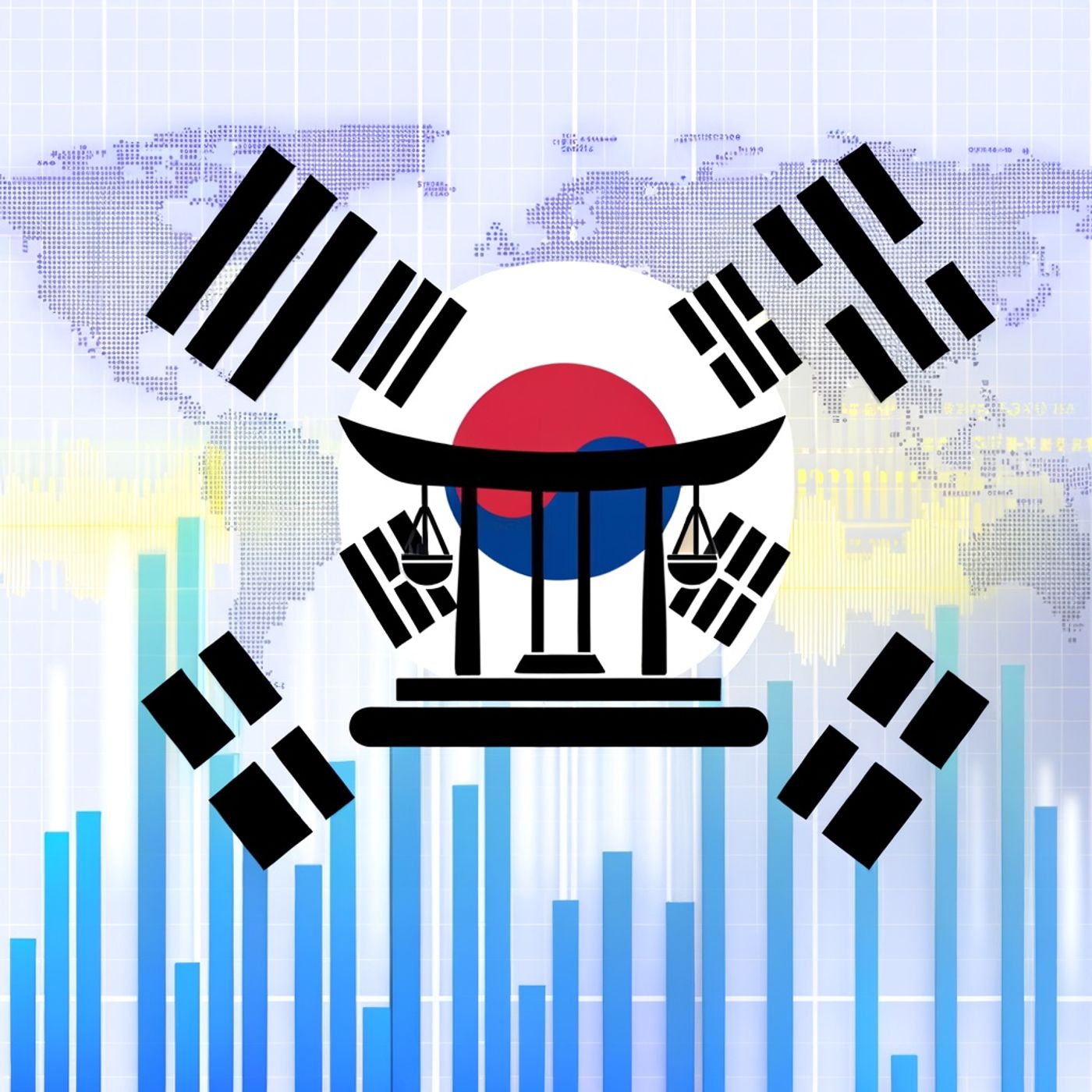
U.S. Proposes 12.5 Percent Tariffs on South Korea Over Forced Labor Concerns While Cutting Metals Duties
from South Korea Tariff News and Tracker · host Inception Point AI
Welcome to “South Korea Tariff News and Tracker,” where we break down the latest U.S. trade and tariff moves that matter for South Korea and for anyone watching the Trump administration’s evolving trade agenda. According to a June 2026 analysis from law firm JD Supra, the U.S. Trade Representative has proposed a new round of Section 301 tariffs in the range of 10 to 12.5 percent on all major U.S. trading partners, explicitly including South Korea. JD Supra notes that South Korea falls into the higher proposed bracket of about 12.5 percent, grouped with countries such as Australia, Japan, Taiwan, and Singapore. These tariffs are framed as a response to what Washington calls “globally inadequate” enforcement of forced labor standards in supply chains, and comments on the proposal are open through early July, signaling that rates could still change before they take effect. At the same time, JD Supra reports that the U.S. government has just adjusted its Section 232 metals tariffs, cutting some rates to 15 percent from the previous 25 percent on certain steel, aluminum, and copper products. South Korea is specifically listed among the countries receiving more favorable treatment under these revised metals measures, thanks to recent trade understandings with Washington. For South Korean exporters, that means a split picture: potential relief on targeted industrial metals, but looming new duties on a broader range of goods under the Section 301 forced labor initiative. The enforcement climate is tightening as well. JD Supra highlights a new “Strengthening Customs Enforcement” executive order signed by President Trump on June 5, 2026. It directs U.S. Customs and Border Protection to intensify scrutiny of foreign and foreign‑affiliated importers, ramp up audits, and impose tougher penalties for misvaluation, misclassification, and duty evasion. Logistics firm OIA Global separately reports that a recent White House executive order will increase customs presence at ports, sharpen importer-of-record requirements, and demand more transparency from foreign importers. For South Korean companies selling into the U.S.—from autos and batteries to consumer electronics—this means higher compliance expectations even before any new tariff rate actually hits. These moves come on top of the broader Trump-era push for “reciprocal” tariffs and targeted surcharges. While some emergency tariffs imposed under IEEPA have been struck down by the U.S. Supreme Court, trade specialists at Holland & Knight and other firms point out that the administration is increasingly turning to Section 301 and Section 232 as more durable legal tools. For South Korea, that raises the stakes: existing sector‑specific deals on steel and industrial goods could be overshadowed by a wider, cross‑cutting tariff of around 12.5 percent tied to labor and enforcement concerns. For South Korean policymakers and exporters, the key questions now are whether they can negotiate their way down to the lower 10 percent tier by tightening forced labor rules and cooperation with U.S. authorities, and how quickly they can adapt supply chains and documentation to withstand more aggressive U.S. customs audits. For U.S. importers relying on Korean inputs, from automakers to semiconductor firms, the next few weeks of comment and rulemaking will determine whether their cost base jumps yet again. Thanks for tuning in to South Korea Tariff News and Tracker, and don’t forget to subscribe so you never miss an update on shifting U.S.–Korea trade policy. This has been a quiet please production, for more check out quiet please dot ai. For more check out https://www.quietperiodplease.com/ Avoid ths tariff fee's and check out these deals https://amzn.to/4iaM94Q
Embed this episode
Ready to play
U.S. Proposes 12.5 Percent Tariffs on South Korea Over Forced Labor Concerns While Cutting Metals Duties
No transcript for this episode yet
Similar Episodes
No similar episodes found.
Similar Podcasts
No similar podcasts found.