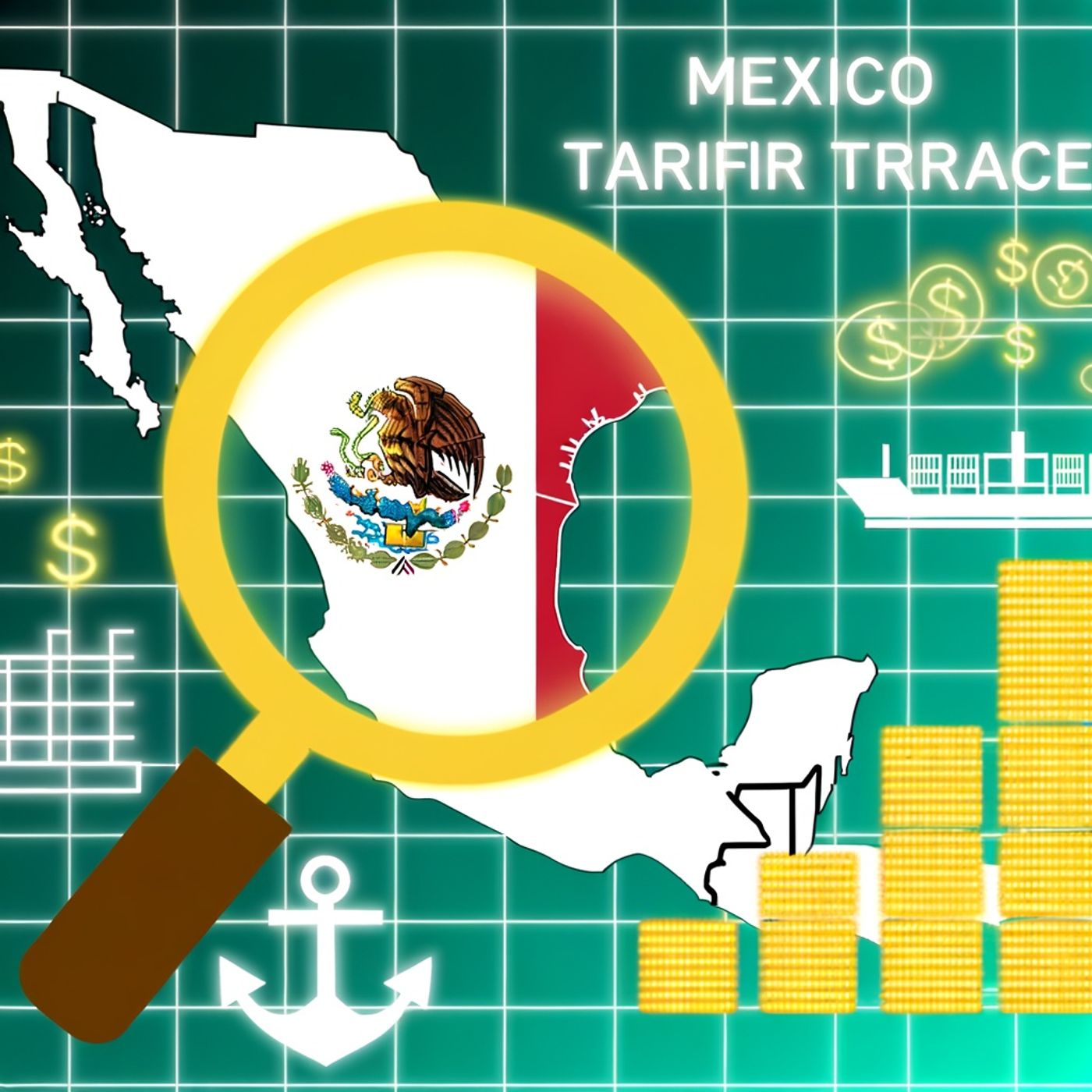
U.S. Tomato Tariffs Shake Mexico Trade Landscape Causing Major Shifts in Agricultural and Manufacturing Sectors episode artwork

EPISODE · Jan 5, 2026 · 3 MIN

U.S. Tomato Tariffs Shake Mexico Trade Landscape Causing Major Shifts in Agricultural and Manufacturing Sectors

from Mexico Tariff News and Tracker · host Inception Point AI

Welcome to Mexico Tariff News and Tracker. We're starting 2026 in the midst of significant trade upheaval between the United States and Mexico, reshaping how business moves across the border and what ends up on American shelves. The biggest story affecting Mexico right now centers on the seventeen point zero nine percent antidumping tariff the U.S. imposed on Mexican tomatoes back in July after withdrawing from the long-standing Tomato Suspension Agreement. Mexico supplies between seventy and ninety percent of America's fresh tomato market, so this tariff is sending shockwaves through the entire agricultural sector. According to industry sources, Mexican growers in key regions like Sinaloa have reduced planted area by eighteen to twenty-five percent year over year as they navigate this new uncertainty. The expected seasonal price increases that typically arrive in late September and early October never materialized this past year, leaving growers scrambling to adjust their strategies. Beyond tomatoes, the broader trade picture is equally dramatic. The Trump administration implemented tariffs ranging from five to fifty percent across more than fourteen hundred product categories originating from Mexico. According to customs operators in the Rio Grande Valley, trade has fundamentally changed. While the actual number of border crossings has declined, the value of individual transactions has increased, meaning fewer but larger shipments are moving between countries. Looking ahead, the biggest wildcard is the renegotiation of the United States-Mexico-Canada Agreement, which Trump himself has suggested could either expire or be replaced with separate bilateral deals. This agreement currently facilitates roughly two trillion dollars in annual trade across North America. The renegotiation could have multibillion-dollar implications for industries beyond agriculture, including autos, dairy, and manufacturing. Mexico's government has responded strategically to the tomato tariff by implementing minimum export pricing across tomato categories, attempting to maintain trade flows and limit market disruption. However, growers and exporters continue watching supply development and demand closely, unsure whether normal seasonal dynamics will return or whether volatility will extend into the next production cycle. The effective U.S. tariff rate has soared to seventeen percent overall in 2025, compared to well below five percent in previous years. For Mexico specifically, the impacts are being felt across produce, manufacturing, and supply chains that support smaller businesses trying to access continental markets. As we move through 2026, listeners should expect continued negotiations and potential policy shifts that could either stabilize or further disrupt this crucial trade relationship. We'll continue tracking these developments closely. Thank you for tuning in to Mexico Tariff News and Tracker. Please subscribe for the latest updates on how trade polic This content was created in partnership and with the help of Artificial Intelligence AI.

Welcome to Mexico Tariff News and Tracker. We're starting 2026 in the midst of significant trade upheaval between the United States and Mexico, reshaping how business moves across the border and what ends up on American shelves. The biggest story affecting Mexico right now centers on the seventeen point zero nine percent antidumping tariff the U.S. imposed on Mexican tomatoes back in July after withdrawing from the long-standing Tomato Suspension Agreement. Mexico supplies between seventy and ninety percent of America's fresh tomato market, so this tariff is sending shockwaves through the entire agricultural sector. According to industry sources, Mexican growers in key regions like Sinaloa have reduced planted area by eighteen to twenty-five percent year over year as they navigate this new uncertainty. The expected seasonal price increases that typically arrive in late September and early October never materialized this past year, leaving growers scrambling to adjust their strategies. Beyond tomatoes, the broader trade picture is equally dramatic. The Trump administration implemented tariffs ranging from five to fifty percent across more than fourteen hundred product categories originating from Mexico. According to customs operators in the Rio Grande Valley, trade has fundamentally changed. While the actual number of border crossings has declined, the value of individual transactions has increased, meaning fewer but larger shipments are moving between countries. Looking ahead, the biggest wildcard is the renegotiation of the United States-Mexico-Canada Agreement, which Trump himself has suggested could either expire or be replaced with separate bilateral deals. This agreement currently facilitates roughly two trillion dollars in annual trade across North America. The renegotiation could have multibillion-dollar implications for industries beyond agriculture, including autos, dairy, and manufacturing. Mexico's government has responded strategically to the tomato tariff by implementing minimum export pricing across tomato categories, attempting to maintain trade flows and limit market disruption. However, growers and exporters continue watching supply development and demand closely, unsure whether normal seasonal dynamics will return or whether volatility will extend into the next production cycle. The effective U.S. tariff rate has soared to seventeen percent overall in 2025, compared to well below five percent in previous years. For Mexico specifically, the impacts are being felt across produce, manufacturing, and supply chains that support smaller businesses trying to access continental markets. As we move through 2026, listeners should expect continued negotiations and potential policy shifts that could either stabilize or further disrupt this crucial trade relationship. We'll continue tracking these developments closely. Thank you for tuning in to Mexico Tariff News and Tracker. Please subscribe for the latest updates on how trade polic This content was created in partnership and with the help of Artificial Intelligence AI.

NOW PLAYING

U.S. Tomato Tariffs Shake Mexico Trade Landscape Causing Major Shifts in Agricultural and Manufacturing Sectors

0:00 3:06

No transcript for this episode yet

We transcribe on demand. Request one and we'll notify you when it's ready — usually under 10 minutes.

MG Show MG Show The MG Show, hosted by Jeffrey Pedersen and Shannon Townsend, is a leading alternative media platform dedicated to uncovering the truth behind today’s most pressing political issues. Launched in 2019, the show has grown exponentially, offering unfiltered insights, comprehensive research, and real-time analysis. With a commitment to independent journalism and factual integrity, the MG Show empowers its audience with knowledge and encourages active participation in the political discourse. Breaking News Show | eTurboNews Juergen Thomas Steinmetz News is relevant to the global travel and tourism industry, human rights and global issues.Breaking news when it happens and only from the source. Eat to Live Jenna Fuhrman, Dr. Fuhrman Our health is our most precious gift and smart nutrition can change your life. Each month, join Dr. Fuhrman and his daughter, Jenna Fuhrman as they discuss important topics in the world of nutrition. Eat to Live will change the way you eat and think about food. French Your Way Jessica: Native French teacher founder of French Your Way Boost your French listening skills and test your comprehension with this one of a kind series of podcasts. Get the chance to listen to a real conversation between native speakers talking at normal speed AND customise your learning experience through carefully designed sets of questions (2 levels of difficulty) available for download at www.frenchvoicespodcast.com. All interviews also come with the transcript. French teacher Jessica interviews native speakers of French from around the world who share a bit of their life and passion. Where else would you meet in one same place a French yoga teacher based in Melbourne, a soap manufacturer from Provence, or a couple cycling around the world?

Frequently Asked Questions

How long is this episode of Mexico Tariff News and Tracker?

This episode is 3 minutes long.

When was this Mexico Tariff News and Tracker episode published?

This episode was published on January 5, 2026.

What is this episode about?

Welcome to Mexico Tariff News and Tracker. We're starting 2026 in the midst of significant trade upheaval between the United States and Mexico, reshaping how business moves across the border and what ends up on American shelves. The biggest story...

Is there a transcript available for this episode?

Yes, a full transcript is available for this episode. You can read the complete transcript on the episode page.

Can I download this Mexico Tariff News and Tracker episode?

Yes, you can download this episode by clicking the download button on the episode player, or subscribe to the podcast in your preferred podcast app for automatic downloads.
URL copied to clipboard!