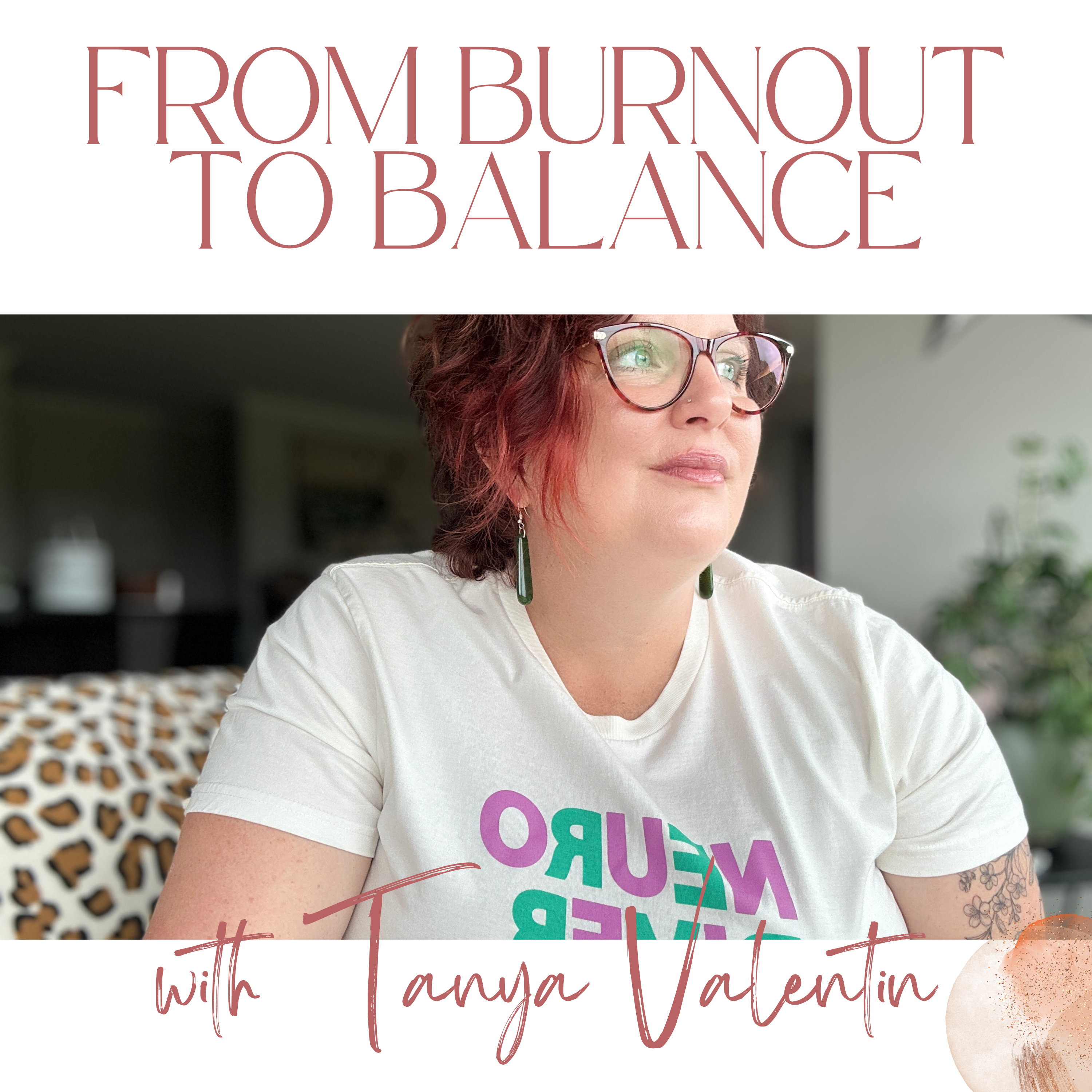
Understanding Limbic Utterances: When Your Child Says Hurtful Things in Meltdowns episode artwork

EPISODE · Jul 10, 2025 · 9 MIN

Understanding Limbic Utterances: When Your Child Says Hurtful Things in Meltdowns

from From Burnout to Balance - Helping Parents Find Balance on the Burnout Recovery Journey · host Tanya Valentin

In this episode of From Burnout to Balance, family coach Tanya Valentin dives deep into one of the most distressing experiences parents of neurodivergent children face: hearing their child say things like “I hate you,” “I hate myself,” or “I want to die” during meltdowns.These moments can feel shocking, hurtful, or even terrifying. But they’re not personal attacks—they're distress signals from an overwhelmed nervous system.Tanya explains what limbic utterances are, why they happen, and how parents can respond with empathy, understanding, and practical strategies to help their children (and themselves) feel safe.What are limbic utterances?Why kids say shocking, hurtful, or “rude” things in meltdown momentsThe role of the nervous system and Polyvagal TheoryThe limbic system: emotional brain basics The neurodivergent lens: why these responses can be more intenseInsights from Tanya’s work with families in burnout recoveryLaura Hellfeld’s insights on self-care demands and limbic utterancesPractical, compassionate strategies to support your childHow parents can care for their own nervous systemsIf you'd like more resources and support on parenting with a low-demand approach, understanding your child’s nervous system, and creating a compassionate home environment, check out Tanya’s parent membership From Burnout to Balance.Join our parent community:⁠ From Burnout to Balance ⁠Laura Hellfeld – Neurodivergent Nurse & ConsultantLaura’s Substack

In this episode of From Burnout to Balance, family coach Tanya Valentin dives deep into one of the most distressing experiences parents of neurodivergent children face: hearing their child say things like “I hate you,” “I hate myself,” or “I want to die” during meltdowns.These moments can feel shocking, hurtful, or even terrifying. But they’re not personal attacks—they're distress signals from an overwhelmed nervous system.Tanya explains what limbic utterances are, why they happen, and how parents can respond with empathy, understanding, and practical strategies to help their children (and themselves) feel safe.What are limbic utterances?Why kids say shocking, hurtful, or “rude” things in meltdown momentsThe role of the nervous system and Polyvagal TheoryThe limbic system: emotional brain basics The neurodivergent lens: why these responses can be more intenseInsights from Tanya’s work with families in burnout recoveryLaura Hellfeld’s insights on self-care demands and limbic utterancesPractical, compassionate strategies to support your childHow parents can care for their own nervous systemsIf you'd like more resources and support on parenting with a low-demand approach, understanding your child’s nervous system, and creating a compassionate home environment, check out Tanya’s parent membership From Burnout to Balance.Join our parent community:⁠ From Burnout to Balance ⁠Laura Hellfeld – Neurodivergent Nurse & ConsultantLaura’s Substack

NOW PLAYING

Understanding Limbic Utterances: When Your Child Says Hurtful Things in Meltdowns

0:00 9:47

No transcript for this episode yet

We transcribe on demand. Request one and we'll notify you when it's ready — usually under 10 minutes.

Frequently Asked Questions

How long is this episode of From Burnout to Balance - Helping Parents Find Balance on the Burnout Recovery Journey?

This episode is 9 minutes long.

When was this From Burnout to Balance - Helping Parents Find Balance on the Burnout Recovery Journey episode published?

This episode was published on July 10, 2025.

What is this episode about?

In this episode of From Burnout to Balance, family coach Tanya Valentin dives deep into one of the most distressing experiences parents of neurodivergent children face: hearing their child say things like “I hate you,” “I hate myself,” or “I want to...

Can I download this From Burnout to Balance - Helping Parents Find Balance on the Burnout Recovery Journey episode?

Yes, you can download this episode by clicking the download button on the episode player, or subscribe to the podcast in your preferred podcast app for automatic downloads.
URL copied to clipboard!