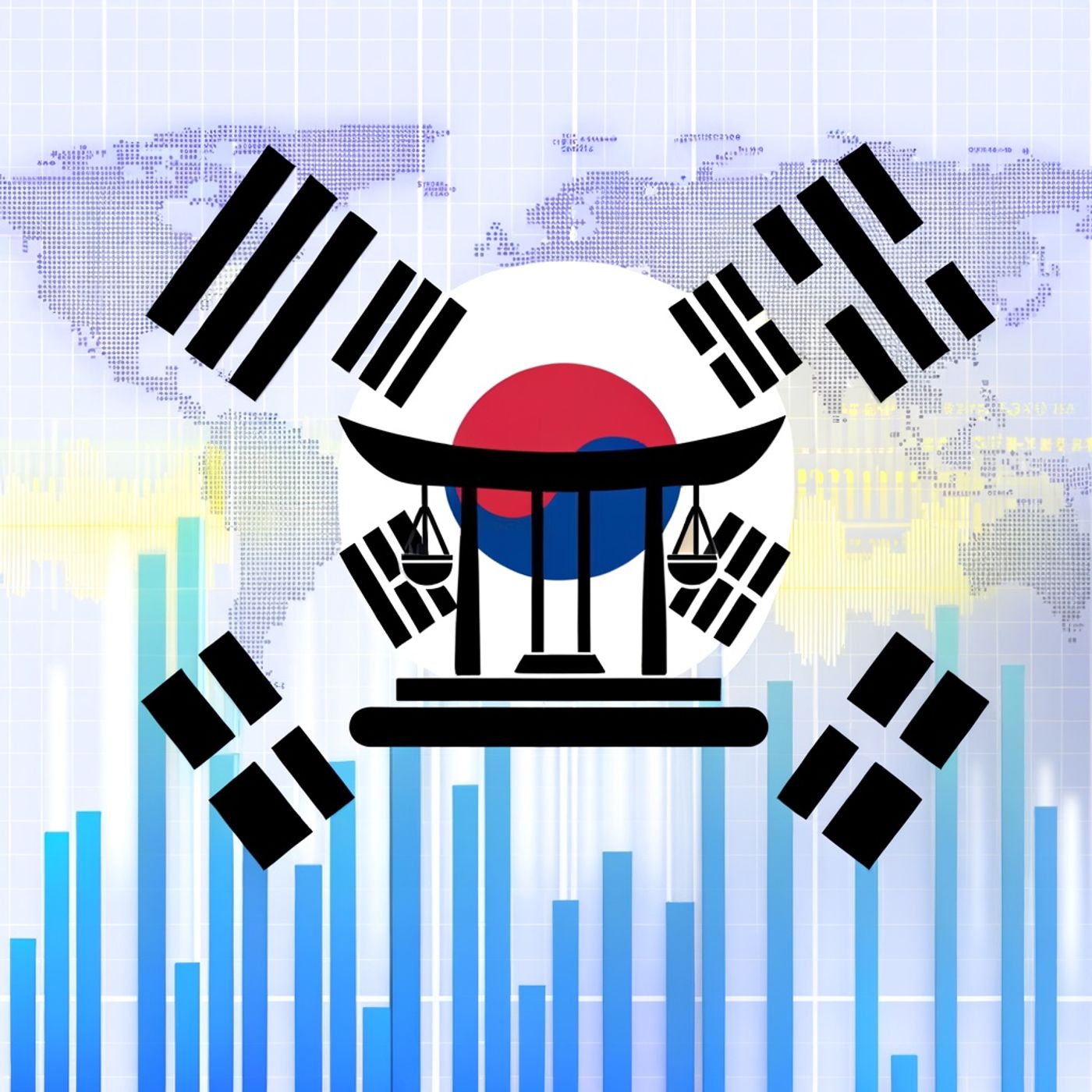
US Imposes 25 Percent Tariffs on South Korean Imports Amid Tense Trade Negotiations Targeting Key Manufacturing Sectors episode artwork

EPISODE · Jun 22, 2025 · 3 MIN

US Imposes 25 Percent Tariffs on South Korean Imports Amid Tense Trade Negotiations Targeting Key Manufacturing Sectors

from South Korea Tariff News and Tracker · host Inception Point AI

Listeners, welcome to "South Korea Tariff News and Tracker," your go-to podcast for the latest headlines and developments shaping U.S.-South Korea trade relations. Big news this summer: President Trump’s administration has imposed a sweeping 25 percent tariff on all imports from South Korea, making this the highest tariff rate ever applied to any U.S. Free Trade Agreement partner. This 25 percent rate was confirmed after back-and-forth negotiations, as Yonhap News details, with the South Korean government pushing for a revision from the initial 26 percent rate. The change, though just a single percentage point, is hugely significant given South Korea’s large export volumes. Tariff measures aren’t just broad—they’re hitting specific sectors hard. South Korea’s automotive, semiconductor, steel, and aluminum industries are feeling the brunt. The automotive sector is especially exposed: The U.S. is South Korea’s largest automotive export destination, totaling $34.7 billion in vehicle exports last year alone, according to Source of Asia. Major automakers like Hyundai and Kia face not only the 25 percent baseline tariff but also a looming threat of targeted tariffs on specific models, with rates rumored to go as high as 200 percent. Steel and aluminum exports are also under pressure, with tariffs on these materials raised to 50 percent effective June 4, per the latest congressional briefings. These moves come as part of the Trump administration’s aggressive protectionist strategy, aiming to bolster U.S. industry but creating serious headaches for Korean manufacturers and exporters. South Korea’s Acting President Lee Ju-ho recently called the U.S. tariffs a “serious and ongoing situation,” as reported by the Korea Herald. The government is prioritizing negotiation, with inter-ministerial coordination focused on reducing economic anxiety and protecting vulnerable industries. These talks remain a top priority, with Seoul seeking a balanced resolution. Just weeks ago, President Trump and South Korea’s newly elected President Lee Jae-myung held their first official call, according to Fox Business. Both leaders agreed to fast-track negotiations to reach an agreement “that would satisfy both countries.” Their joint statement emphasized the urgency of a deal, reflecting the high stakes for South Korea’s export-dependent economy. The current tariff regime is set until at least July 9, after which changes could occur depending on the outcomes of ongoing negotiations and any further executive actions. For now, Korean businesses are navigating an environment defined by volatility and uncertainty. According to the Trade Compliance Resource Hub, if no agreement is reached by July 9, the 25 percent reciprocal tariff will remain or could be adjusted. That’s all for today’s edition of "South Korea Tariff News and Tracker." Thank you for tuning in—don’t forget to subscribe so you never miss an update. This has been a quiet please production, for more check out qu This content was created in partnership and with the help of Artificial Intelligence AI.

Listeners, welcome to "South Korea Tariff News and Tracker," your go-to podcast for the latest headlines and developments shaping U.S.-South Korea trade relations. Big news this summer: President Trump’s administration has imposed a sweeping 25 percent tariff on all imports from South Korea, making this the highest tariff rate ever applied to any U.S. Free Trade Agreement partner. This 25 percent rate was confirmed after back-and-forth negotiations, as Yonhap News details, with the South Korean government pushing for a revision from the initial 26 percent rate. The change, though just a single percentage point, is hugely significant given South Korea’s large export volumes. Tariff measures aren’t just broad—they’re hitting specific sectors hard. South Korea’s automotive, semiconductor, steel, and aluminum industries are feeling the brunt. The automotive sector is especially exposed: The U.S. is South Korea’s largest automotive export destination, totaling $34.7 billion in vehicle exports last year alone, according to Source of Asia. Major automakers like Hyundai and Kia face not only the 25 percent baseline tariff but also a looming threat of targeted tariffs on specific models, with rates rumored to go as high as 200 percent. Steel and aluminum exports are also under pressure, with tariffs on these materials raised to 50 percent effective June 4, per the latest congressional briefings. These moves come as part of the Trump administration’s aggressive protectionist strategy, aiming to bolster U.S. industry but creating serious headaches for Korean manufacturers and exporters. South Korea’s Acting President Lee Ju-ho recently called the U.S. tariffs a “serious and ongoing situation,” as reported by the Korea Herald. The government is prioritizing negotiation, with inter-ministerial coordination focused on reducing economic anxiety and protecting vulnerable industries. These talks remain a top priority, with Seoul seeking a balanced resolution. Just weeks ago, President Trump and South Korea’s newly elected President Lee Jae-myung held their first official call, according to Fox Business. Both leaders agreed to fast-track negotiations to reach an agreement “that would satisfy both countries.” Their joint statement emphasized the urgency of a deal, reflecting the high stakes for South Korea’s export-dependent economy. The current tariff regime is set until at least July 9, after which changes could occur depending on the outcomes of ongoing negotiations and any further executive actions. For now, Korean businesses are navigating an environment defined by volatility and uncertainty. According to the Trade Compliance Resource Hub, if no agreement is reached by July 9, the 25 percent reciprocal tariff will remain or could be adjusted. That’s all for today’s edition of "South Korea Tariff News and Tracker." Thank you for tuning in—don’t forget to subscribe so you never miss an update. This has been a quiet please production, for more check out qu This content was created in partnership and with the help of Artificial Intelligence AI.

NOW PLAYING

US Imposes 25 Percent Tariffs on South Korean Imports Amid Tense Trade Negotiations Targeting Key Manufacturing Sectors

0:00 3:56

No transcript for this episode yet

We transcribe on demand. Request one and we'll notify you when it's ready — usually under 10 minutes.

No similar episodes found.

No similar podcasts found.

Frequently Asked Questions

How long is this episode of South Korea Tariff News and Tracker?

This episode is 3 minutes long.

When was this South Korea Tariff News and Tracker episode published?

This episode was published on June 22, 2025.

What is this episode about?

Listeners, welcome to "South Korea Tariff News and Tracker," your go-to podcast for the latest headlines and developments shaping U.S.-South Korea trade relations. Big news this summer: President Trump’s administration has imposed a sweeping 25...

Can I download this South Korea Tariff News and Tracker episode?

Yes, you can download this episode by clicking the download button on the episode player, or subscribe to the podcast in your preferred podcast app for automatic downloads.
URL copied to clipboard!