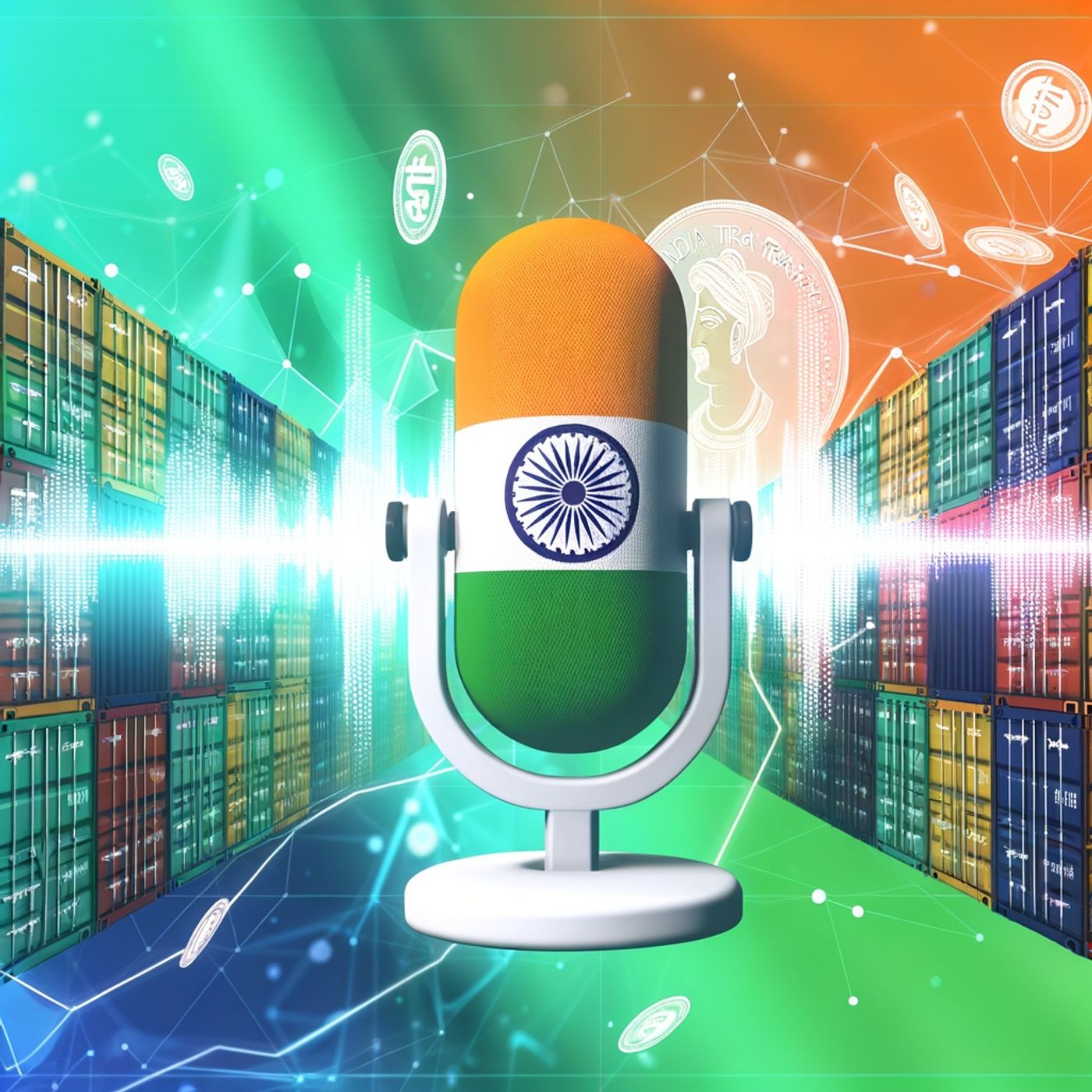
US India Trade Deal Expected in 3 to 4 Months as 15 Percent Tariffs Currently Hold episode artwork

EPISODE · Mar 8, 2026 · 3 MIN

US India Trade Deal Expected in 3 to 4 Months as 15 Percent Tariffs Currently Hold

from India Tariff News and Tracker · host Inception Point AI

Welcome to India Tariff News and Tracker. The landscape of US-India trade relations is shifting rapidly as the Trump administration navigates a complex legal situation following a Supreme Court decision that struck down emergency tariff authority. The current tariff situation stands at 15 percent on Indian goods. Trump initially imposed a 10 percent global tariff under Section 122 of the Trade Act in late February, with plans to raise it to 15 percent. These tariffs can remain in place for up to 150 days unless Congress approves them. According to government sources, Indian exporters are currently paying less than the negotiated 18 percent rate they expected, providing some breathing room in the near term. On the positive side for Indian businesses, a senior US government official stated that the US expects to finalize comprehensive trade deals with India within three to four months. However, this timeline depends on the Trump administration clarifying its legal strategy following the Supreme Court's decision. India's Commerce and Industry Minister Piyush Goyal has claimed that India secured the best trade deal among all competing nations, particularly regarding agricultural exports like mangoes. The deal protects Indian farmers by avoiding commitments on farm or dairy products while opening new market access. India has also managed to secure advantages for its core industries. Regarding concerns about apples and walnuts, officials note that quantities allowed are far lower than current import levels and come with protective safeguards. For the textile industry, which relies heavily on long staple cotton fiber, the deal addresses critical input needs. A significant development involves India's energy situation. According to reports from the US Treasury, the Trump administration granted India a 30-day waiver to continue purchasing Russian crude oil, acknowledging India as the world's largest swing buyer in the oil market. This move reflects strategic pragmatism as Washington balances its pressure tactics with recognition of India's importance to global energy stability during the escalating Middle East tensions. The broader context shows the Trump administration is actively reshaping tariff architecture. The US Customs and Border Protection is developing a new refund system for the 166 billion dollars in tariffs already collected, expected within 45 days. Additionally, the administration is leveraging Section 301 of the 1974 Trade Act to investigate trade practices across major trading partners, including India. For Indian businesses and exporters, the message is mixed but manageable. While tariffs currently sit at 15 percent, negotiations appear to be progressing, and India has demonstrated negotiating strength. The real test will come as the Trump administration finalizes its tariff strategy over the coming months. Thank you for tuning in to India Tariff News and Tracker. Be sure to subscribe for the latest updates on US-India trade dynam This content was created in partnership and with the help of Artificial Intelligence AI.

Welcome to India Tariff News and Tracker. The landscape of US-India trade relations is shifting rapidly as the Trump administration navigates a complex legal situation following a Supreme Court decision that struck down emergency tariff authority. The current tariff situation stands at 15 percent on Indian goods. Trump initially imposed a 10 percent global tariff under Section 122 of the Trade Act in late February, with plans to raise it to 15 percent. These tariffs can remain in place for up to 150 days unless Congress approves them. According to government sources, Indian exporters are currently paying less than the negotiated 18 percent rate they expected, providing some breathing room in the near term. On the positive side for Indian businesses, a senior US government official stated that the US expects to finalize comprehensive trade deals with India within three to four months. However, this timeline depends on the Trump administration clarifying its legal strategy following the Supreme Court's decision. India's Commerce and Industry Minister Piyush Goyal has claimed that India secured the best trade deal among all competing nations, particularly regarding agricultural exports like mangoes. The deal protects Indian farmers by avoiding commitments on farm or dairy products while opening new market access. India has also managed to secure advantages for its core industries. Regarding concerns about apples and walnuts, officials note that quantities allowed are far lower than current import levels and come with protective safeguards. For the textile industry, which relies heavily on long staple cotton fiber, the deal addresses critical input needs. A significant development involves India's energy situation. According to reports from the US Treasury, the Trump administration granted India a 30-day waiver to continue purchasing Russian crude oil, acknowledging India as the world's largest swing buyer in the oil market. This move reflects strategic pragmatism as Washington balances its pressure tactics with recognition of India's importance to global energy stability during the escalating Middle East tensions. The broader context shows the Trump administration is actively reshaping tariff architecture. The US Customs and Border Protection is developing a new refund system for the 166 billion dollars in tariffs already collected, expected within 45 days. Additionally, the administration is leveraging Section 301 of the 1974 Trade Act to investigate trade practices across major trading partners, including India. For Indian businesses and exporters, the message is mixed but manageable. While tariffs currently sit at 15 percent, negotiations appear to be progressing, and India has demonstrated negotiating strength. The real test will come as the Trump administration finalizes its tariff strategy over the coming months. Thank you for tuning in to India Tariff News and Tracker. Be sure to subscribe for the latest updates on US-India trade dynam This content was created in partnership and with the help of Artificial Intelligence AI.

NOW PLAYING

US India Trade Deal Expected in 3 to 4 Months as 15 Percent Tariffs Currently Hold

0:00 3:15

No transcript for this episode yet

We transcribe on demand. Request one and we'll notify you when it's ready — usually under 10 minutes.

No similar episodes found.

No similar podcasts found.

Frequently Asked Questions

How long is this episode of India Tariff News and Tracker?

This episode is 3 minutes long.

When was this India Tariff News and Tracker episode published?

This episode was published on March 8, 2026.

What is this episode about?

Welcome to India Tariff News and Tracker. The landscape of US-India trade relations is shifting rapidly as the Trump administration navigates a complex legal situation following a Supreme Court decision that struck down emergency tariff...

Is there a transcript available for this episode?

Yes, a full transcript is available for this episode. You can read the complete transcript on the episode page.

Can I download this India Tariff News and Tracker episode?

Yes, you can download this episode by clicking the download button on the episode player, or subscribe to the podcast in your preferred podcast app for automatic downloads.
URL copied to clipboard!