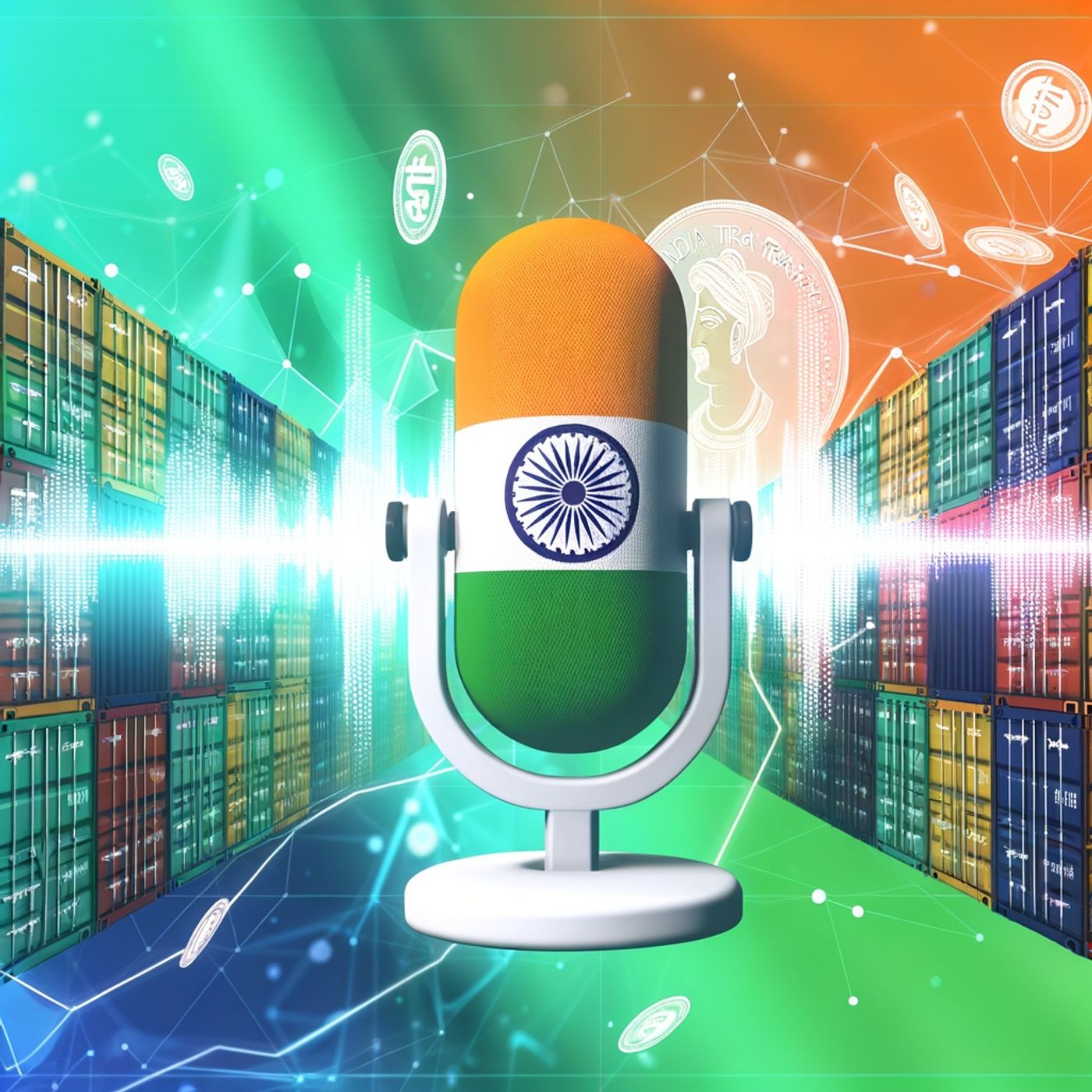
US-India Trade Tensions Escalate as Trump Administration Imposes Steep Tariffs and Targets AI Sector Amid Ongoing Negotiations episode artwork

EPISODE · Jan 18, 2026 · 3 MIN

US-India Trade Tensions Escalate as Trump Administration Imposes Steep Tariffs and Targets AI Sector Amid Ongoing Negotiations

from India Tariff News and Tracker · host Inception Point AI

Welcome back to India Tariff News and Tracker. We're diving into the latest developments shaping trade between the United States and India as 2026 unfolds. The Trump administration's tariff regime continues to intensify its impact on Indian exporters. According to recent trade data, India now faces a combined 51 percent tariff burden on its goods entering the US market. This comprises a 26 percent reciprocal tariff imposed in April 2025, followed by an additional 25 percent punitive tariff implemented in August over India's purchase of Russian oil. Despite these substantial barriers, Indian exports have shown surprising resilience, growing nearly 10 percent year-on-year through December 2025. India's bilateral trade surplus with the United States climbed to 50 billion dollars by October 2025, up from 45.8 billion dollars in 2024. However, new challenges are emerging on the horizon. Trump senior adviser Peter Navarro has signaled that artificial intelligence data centers could become the next target of US trade action. Navarro expressed concern about American electricity powering AI infrastructure that serves global users, particularly in India and China. He specifically questioned why Americans are subsidizing ChatGPT usage abroad, suggesting strong action from President Trump on this issue. With India accounting for 9 percent of ChatGPT's 5.8 billion monthly visits as of August 2025, this sector faces potential regulatory scrutiny. Meanwhile, Republican senators from Montana and North Dakota are pressing Trump to make Indian tariffs on American pulses a priority in ongoing trade negotiations. The senators argue that India's 30 percent tariff on yellow peas, effective November 2025, unfairly blocks American producers from accessing the world's largest pulse consumer market. India, however, views these tariffs as domestic safeguards to protect farmers facing falling prices from cheap imports. The tariff applies uniformly to all exporting countries, including Canada. Indian policymakers have prioritized pulse self-sufficiency through the Mission for Aatmanirbharta in Pulses, a six-year initiative with an 11,440 crore rupee budget aimed at raising domestic production significantly. Negotiations between Indian and American trade officials appear close to completion, with India's Commerce Secretary indicating that most issues are resolved. Yet agriculture remains the most contentious sector, with pulses serving as a critical sticking point. Indian officials have drawn firm red lines around agricultural access, citing food security concerns and the political sensitivity of farmer livelihoods. The broader context underscores Trump's unpredictable approach to trade policy. His threats of tariffs on the European Union over Greenland disputes signal that economic measures can be weaponized for political leverage, potentially undermining negotiated agreements. For India, this unpredictability demands strategic caution as negotiators work toward finaliz This content was created in partnership and with the help of Artificial Intelligence AI.

Welcome back to India Tariff News and Tracker. We're diving into the latest developments shaping trade between the United States and India as 2026 unfolds. The Trump administration's tariff regime continues to intensify its impact on Indian exporters. According to recent trade data, India now faces a combined 51 percent tariff burden on its goods entering the US market. This comprises a 26 percent reciprocal tariff imposed in April 2025, followed by an additional 25 percent punitive tariff implemented in August over India's purchase of Russian oil. Despite these substantial barriers, Indian exports have shown surprising resilience, growing nearly 10 percent year-on-year through December 2025. India's bilateral trade surplus with the United States climbed to 50 billion dollars by October 2025, up from 45.8 billion dollars in 2024. However, new challenges are emerging on the horizon. Trump senior adviser Peter Navarro has signaled that artificial intelligence data centers could become the next target of US trade action. Navarro expressed concern about American electricity powering AI infrastructure that serves global users, particularly in India and China. He specifically questioned why Americans are subsidizing ChatGPT usage abroad, suggesting strong action from President Trump on this issue. With India accounting for 9 percent of ChatGPT's 5.8 billion monthly visits as of August 2025, this sector faces potential regulatory scrutiny. Meanwhile, Republican senators from Montana and North Dakota are pressing Trump to make Indian tariffs on American pulses a priority in ongoing trade negotiations. The senators argue that India's 30 percent tariff on yellow peas, effective November 2025, unfairly blocks American producers from accessing the world's largest pulse consumer market. India, however, views these tariffs as domestic safeguards to protect farmers facing falling prices from cheap imports. The tariff applies uniformly to all exporting countries, including Canada. Indian policymakers have prioritized pulse self-sufficiency through the Mission for Aatmanirbharta in Pulses, a six-year initiative with an 11,440 crore rupee budget aimed at raising domestic production significantly. Negotiations between Indian and American trade officials appear close to completion, with India's Commerce Secretary indicating that most issues are resolved. Yet agriculture remains the most contentious sector, with pulses serving as a critical sticking point. Indian officials have drawn firm red lines around agricultural access, citing food security concerns and the political sensitivity of farmer livelihoods. The broader context underscores Trump's unpredictable approach to trade policy. His threats of tariffs on the European Union over Greenland disputes signal that economic measures can be weaponized for political leverage, potentially undermining negotiated agreements. For India, this unpredictability demands strategic caution as negotiators work toward finaliz This content was created in partnership and with the help of Artificial Intelligence AI.

NOW PLAYING

US-India Trade Tensions Escalate as Trump Administration Imposes Steep Tariffs and Targets AI Sector Amid Ongoing Negotiations

0:00 3:38

No transcript for this episode yet

We transcribe on demand. Request one and we'll notify you when it's ready — usually under 10 minutes.

No similar episodes found.

No similar podcasts found.

Frequently Asked Questions

How long is this episode of India Tariff News and Tracker?

This episode is 3 minutes long.

When was this India Tariff News and Tracker episode published?

This episode was published on January 18, 2026.

What is this episode about?

Welcome back to India Tariff News and Tracker. We're diving into the latest developments shaping trade between the United States and India as 2026 unfolds. The Trump administration's tariff regime continues to intensify its impact on Indian...

Is there a transcript available for this episode?

Yes, a full transcript is available for this episode. You can read the complete transcript on the episode page.

Can I download this India Tariff News and Tracker episode?

Yes, you can download this episode by clicking the download button on the episode player, or subscribe to the podcast in your preferred podcast app for automatic downloads.
URL copied to clipboard!