
EPISODE · Jun 14, 2024 · 5 MIN
“What Are Common EKG Abnormalities To Look For?”
from Dr. Gallagher's Podcast · host Brendan Gallagher, DDS
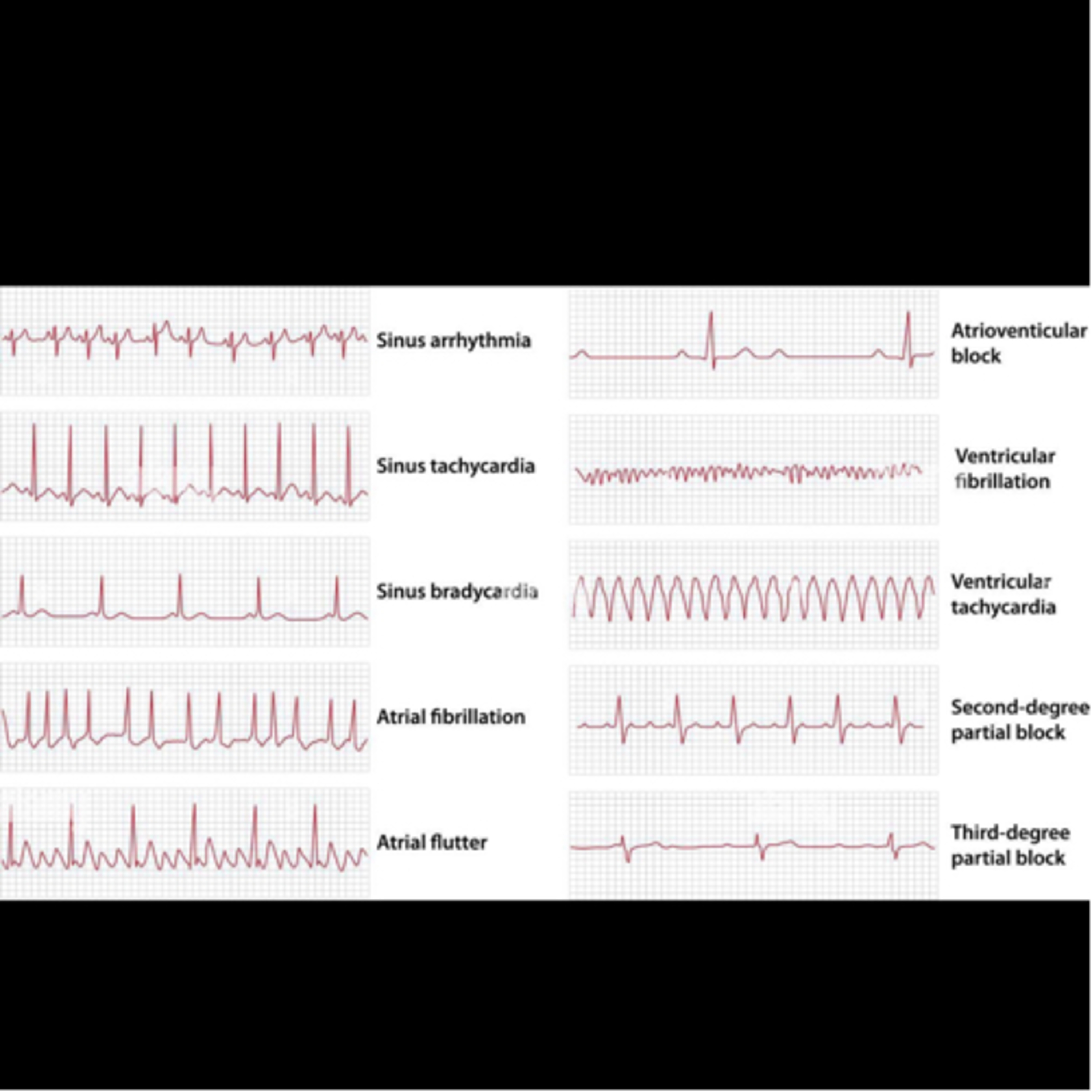
6.14.24 Quick Review #150 - #surgery #surgeon #doctorgallagher #oralsurgery #oralsurgeon #omfs #dentist #dentistry #dental #anesthesia #ekg 1. Bradycardia (slow heart rate): • Description: A heart rate of less than 60 beats per minute. • Causes: Can be caused by sedation drugs, vagal stimulation, hypoxia, or underlying cardiac conditions. • Treatment: • Mild cases: Often resolve without treatment, monitor closely. • Severe cases: Administer atropine (0.5 mg IV, repeat every 3-5 minutes up to a total of 3 mg) if symptomatic or the heart rate is extremely low. • Persistent bradycardia: May require transcutaneous pacing or emergency medical services (EMS) activation. 2. Tachycardia (fast heart rate): • Description: A heart rate of more than 100 beats per minute. • Causes: Pain, anxiety, hypovolemia, hypoxia, or reaction to medications. • Treatment: • Identify and treat the underlying cause: Provide oxygen, manage pain or anxiety. • If persistent and symptomatic: Beta-blockers (e.g., metoprolol) may be administered if appropriate and no contraindications exist. • Severe cases: Consider calling EMS if there is hemodynamic instability. 3. Premature Ventricular Contractions (PVCs): • Description: Early, wide, and bizarre-looking QRS complexes. • Causes: Hypoxia, electrolyte imbalances, drug effects. • Treatment: • Occasional PVCs: Often benign and require no treatment other than correcting the underlying cause. • Frequent PVCs or runs: Ensure adequate oxygenation, correct electrolytes. If symptomatic, consider antiarrhythmic medications like amiodarone. • If unstable: Call EMS. 4. Atrial Fibrillation (AFib): • Description: Irregularly irregular rhythm with no discernible P waves. • Causes: Can be triggered by stress, hypoxia, electrolyte imbalance, or underlying heart disease. • Treatment: • New onset or symptomatic: Administer rate control medications (e.g., beta-blockers, diltiazem). • If unstable: Immediate cardioversion may be required. Activate EMS. 5. Ventricular Tachycardia (VT): • Description: Regular, wide-complex tachycardia. • Causes: Myocardial ischemia, electrolyte imbalances, drug effects. • Treatment: • Stable VT: Administer antiarrhythmics (e.g., amiodarone). • Unstable VT with a pulse: Immediate synchronized cardioversion. • Pulseless VT: Begin CPR and defibrillation, follow ACLS (Advanced Cardiovascular Life Support) protocols, and call EMS. References: 1. Pohrebnyak, O. (n.d.). Schemes set of common electrocardiogram (ECG) abnormalities, including partial blocks and flutter [Illustration]. Alamy. 2. American Heart Association. (2020). Advanced Cardiovascular Life Support (ACLS) Provider Manual. American Heart Association. 3. Miller, R. D., & Cohen, N. H. (2020). Miller’s Anesthesia (9th ed.). Elsevier. 4. ChatGPT. 2024. - #podcast #podcasts #dentalpodcast #dentalpodcasts #doctorgallagherpodcast #doctorgallagherspodcast #oralsurgeon #dentist #doctorgallagher #doctor #dentistry #oralsurgery #dental #viral #dentalschool #dentalstudent #omfs #surgeon #doctorlife #dentistlife #residency
What this episode covers
6.14.24 Quick Review #150 - #surgery #surgeon #doctorgallagher #oralsurgery #oralsurgeon #omfs #dentist #dentistry #dental #anesthesia #ekg 1. Bradycardia (slow heart rate): • Description: A heart rate of less than 60 beats per minute. • Causes: Can be caused by sedation drugs, vagal stimulation, hypoxia, or underlying cardiac conditions. • Treatment: • Mild cases: Often resolve without treatment, monitor closely. • Severe cases: Administer atropine (0.5 mg IV, repeat every 3-5 minutes up to a total of 3 mg) if symptomatic or the heart rate is extremely low. • Persistent bradycardia: May require transcutaneous pacing or emergency medical services (EMS) activation. 2. Tachycardia (fast heart rate): • Description: A heart rate of more than 100 beats per minute. • Causes: Pain, anxiety, hypovolemia, hypoxia, or reaction to medications. • Treatment: • Identify and treat the underlying cause: Provide oxygen, manage pain or anxiety. • If persistent and symptomatic: Beta-blockers (e.g., metoprolol) may be administered if appropriate and no contraindications exist. • Severe cases: Consider calling EMS if there is hemodynamic instability. 3. Premature Ventricular Contractions (PVCs): • Description: Early, wide, and bizarre-looking QRS complexes. • Causes: Hypoxia, electrolyte imbalances, drug effects. • Treatment: • Occasional PVCs: Often benign and require no treatment other than correcting the underlying cause. • Frequent PVCs or runs: Ensure adequate oxygenation, correct electrolytes. If symptomatic, consider antiarrhythmic medications like amiodarone. • If unstable: Call EMS. 4. Atrial Fibrillation (AFib): • Description: Irregularly irregular rhythm with no discernible P waves. • Causes: Can be triggered by stress, hypoxia, electrolyte imbalance, or underlying heart disease. • Treatment: • New onset or symptomatic: Administer rate control medications (e.g., beta-blockers, diltiazem). • If unstable: Immediate cardioversion may be required. Activate EMS. 5. Ventricular Tachycardia (VT): • Description: Regular, wide-complex tachycardia. • Causes: Myocardial ischemia, electrolyte imbalances, drug effects. • Treatment: • Stable VT: Administer antiarrhythmics (e.g., amiodarone). • Unstable VT with a pulse: Immediate synchronized cardioversion. • Pulseless VT: Begin CPR and defibrillation, follow ACLS (Advanced Cardiovascular Life Support) protocols, and call EMS. References: 1. Pohrebnyak, O. (n.d.). Schemes set of common electrocardiogram (ECG) abnormalities, including partial blocks and flutter [Illustration]. Alamy. 2. American Heart Association. (2020). Advanced Cardiovascular Life Support (ACLS) Provider Manual. American Heart Association. 3. Miller, R. D., & Cohen, N. H. (2020). Miller’s Anesthesia (9th ed.). Elsevier. 4. ChatGPT. 2024. - #podcast #podcasts #dentalpodcast #dentalpodcasts #doctorgallagherpodcast #doctorgallagherspodcast #oralsurgeon #dentist #doctorgallagher #doctor #dentistry #oralsurgery #dental #viral #dentalschool #dentalstudent #omfs #surgeon #doctorlife #dentistlife #residency
NOW PLAYING
“What Are Common EKG Abnormalities To Look For?”
No transcript for this episode yet
Similar Episodes
Dec 5, 2025 ·50m
Oct 9, 2025 ·33m
Oct 3, 2025 ·40m
Sep 11, 2025 ·31m
Aug 27, 2025 ·39m
Aug 18, 2025 ·54m