
EPISODE · Oct 17, 2023 · 2 MIN
“What are Important Considerations for Extracting Teeth on Patients with Elevated Blood Pressure?”
from Dr. Gallagher's Podcast · host Brendan Gallagher, DDS
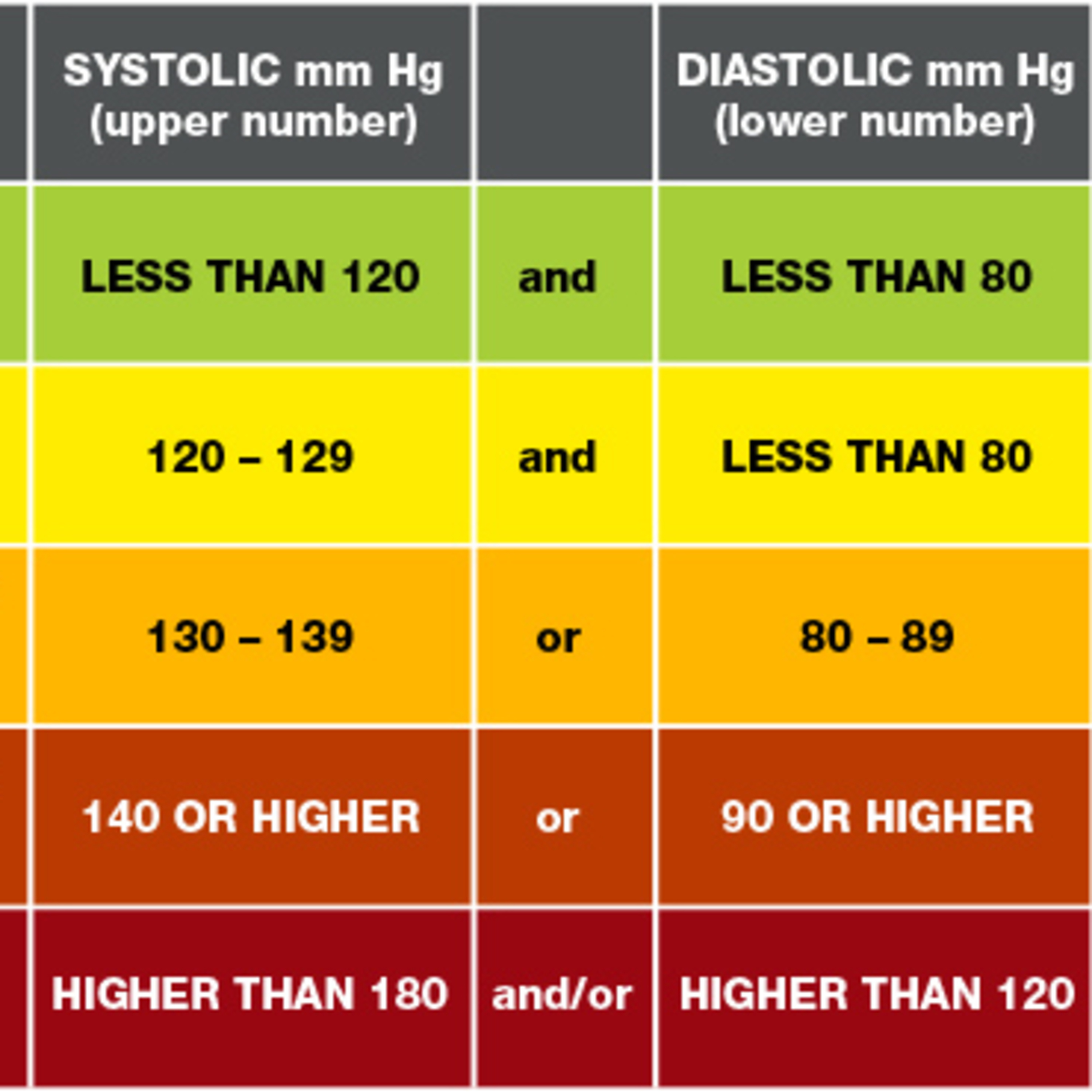
Quick Read #68 - #hypertension #highbloodpressure #oralsurgery #oralsurgeon #doctorgallagher #dentist #dentistry #dental When considering tooth extraction on a patient with elevated blood pressure, there a several considerations that are important. Each patient is unique, and management must be tailored to the individual’s needs and medical history. 1. Stability of Blood Pressure: Before any procedure, ensure that the patient’s blood pressure is stable and controlled, ideally below 160/100 mmHg. 2. Medication Review: Assess the patient’s current medications. Some antihypertensive drugs can interfere with clotting or interact with anesthetics. 3. Stress Reduction: Anxiety can further elevate blood pressure. Consider premedication with an anxiolytic, and utilize gentle and calming communication techniques. 4. Local Anesthesia: Use a vasoconstrictor like epinephrine judiciously. Although it can help with hemostasis, it can also raise blood pressure. A slow injection technique and limiting the total dose can help. 5. Postoperative Instructions: Clearly communicate post-operative instructions, emphasizing avoiding activities that can elevate blood pressure. 6. Monitor Patient: After the extraction, monitor the patient for an appropriate period, ensuring that bleeding is controlled before they leave the dental office. To mitigate the risk of continued bleeding after the surgery: 1. Proper Technique: Ensure that the extraction socket is properly curetted and cleaned to remove any granulation tissue, which can interfere with clot formation. 2. Pressure: Applying pressure with a gauze pad for 20-30 minutes can help form a stable clot. 3. Gelatin Sponge or Collagen Plug: These can be used in the extraction socket to promote clotting. 4. Suturing: Some extraction sites, especially where multiple or larger teeth are removed, may benefit from suturing to promote clot stability. 5. Tranexamic Acid Mouthwash: Rinsing with tranexamic acid mouthwash can help in clot stabilization and reduce the risk of post-operative bleeding in certain cases. 6. Avoidance of Dislodging Activities: Advise the patient to avoid activities that can dislodge the clot, such as vigorous rinsing, drinking through straws, and smoking for at least 24-48 hours. 7. Rest: Encourage the patient to avoid strenuous activities for 24-48 hours. References: 1. Little, J. W., Falace, D. A., Miller, C. S., & Rhodus, N. L. (2012). Dental Management of the Medically Compromised Patient (8th ed.). Elsevier Mosby. 2. Malamed, S. F. (2019). Handbook of Local Anesthesia (7th ed.). Elsevier Mosby. 3. Marx, R. E., & Hopper, T. L. (2017). Oral and Maxillofacial Pathology: A Rationale for Diagnosis and Treatment (2nd ed.). Quintessence Publishing. 4. Renton, T. (2016). Oral surgery: part 2. Minimising and managing post-operative complications. British Dental Journal, 221(5), 215-225. 5. ChatGPT. 2023.
What this episode covers
Quick Read #68 - #hypertension #highbloodpressure #oralsurgery #oralsurgeon #doctorgallagher #dentist #dentistry #dental When considering tooth extraction on a patient with elevated blood pressure, there a several considerations that are important. Each patient is unique, and management must be tailored to the individual’s needs and medical history. 1. Stability of Blood Pressure: Before any procedure, ensure that the patient’s blood pressure is stable and controlled, ideally below 160/100 mmHg. 2. Medication Review: Assess the patient’s current medications. Some antihypertensive drugs can interfere with clotting or interact with anesthetics. 3. Stress Reduction: Anxiety can further elevate blood pressure. Consider premedication with an anxiolytic, and utilize gentle and calming communication techniques. 4. Local Anesthesia: Use a vasoconstrictor like epinephrine judiciously. Although it can help with hemostasis, it can also raise blood pressure. A slow injection technique and limiting the total dose can help. 5. Postoperative Instructions: Clearly communicate post-operative instructions, emphasizing avoiding activities that can elevate blood pressure. 6. Monitor Patient: After the extraction, monitor the patient for an appropriate period, ensuring that bleeding is controlled before they leave the dental office. To mitigate the risk of continued bleeding after the surgery: 1. Proper Technique: Ensure that the extraction socket is properly curetted and cleaned to remove any granulation tissue, which can interfere with clot formation. 2. Pressure: Applying pressure with a gauze pad for 20-30 minutes can help form a stable clot. 3. Gelatin Sponge or Collagen Plug: These can be used in the extraction socket to promote clotting. 4. Suturing: Some extraction sites, especially where multiple or larger teeth are removed, may benefit from suturing to promote clot stability. 5. Tranexamic Acid Mouthwash: Rinsing with tranexamic acid mouthwash can help in clot stabilization and reduce the risk of post-operative bleeding in certain cases. 6. Avoidance of Dislodging Activities: Advise the patient to avoid activities that can dislodge the clot, such as vigorous rinsing, drinking through straws, and smoking for at least 24-48 hours. 7. Rest: Encourage the patient to avoid strenuous activities for 24-48 hours. References: 1. Little, J. W., Falace, D. A., Miller, C. S., & Rhodus, N. L. (2012). Dental Management of the Medically Compromised Patient (8th ed.). Elsevier Mosby. 2. Malamed, S. F. (2019). Handbook of Local Anesthesia (7th ed.). Elsevier Mosby. 3. Marx, R. E., & Hopper, T. L. (2017). Oral and Maxillofacial Pathology: A Rationale for Diagnosis and Treatment (2nd ed.). Quintessence Publishing. 4. Renton, T. (2016). Oral surgery: part 2. Minimising and managing post-operative complications. British Dental Journal, 221(5), 215-225. 5. ChatGPT. 2023.
NOW PLAYING
“What are Important Considerations for Extracting Teeth on Patients with Elevated Blood Pressure?”
No transcript for this episode yet
Similar Episodes
Dec 5, 2025 ·50m
Oct 9, 2025 ·33m
Oct 3, 2025 ·40m
Sep 11, 2025 ·31m
Aug 27, 2025 ·39m
Aug 18, 2025 ·54m