
EPISODE · Sep 20, 2023 · 4 MIN
“What are Key Differences Between ‘Transudate’ and ‘Exudate’ in Oral Pathology?”
from Dr. Gallagher's Podcast · host Brendan Gallagher, DDS
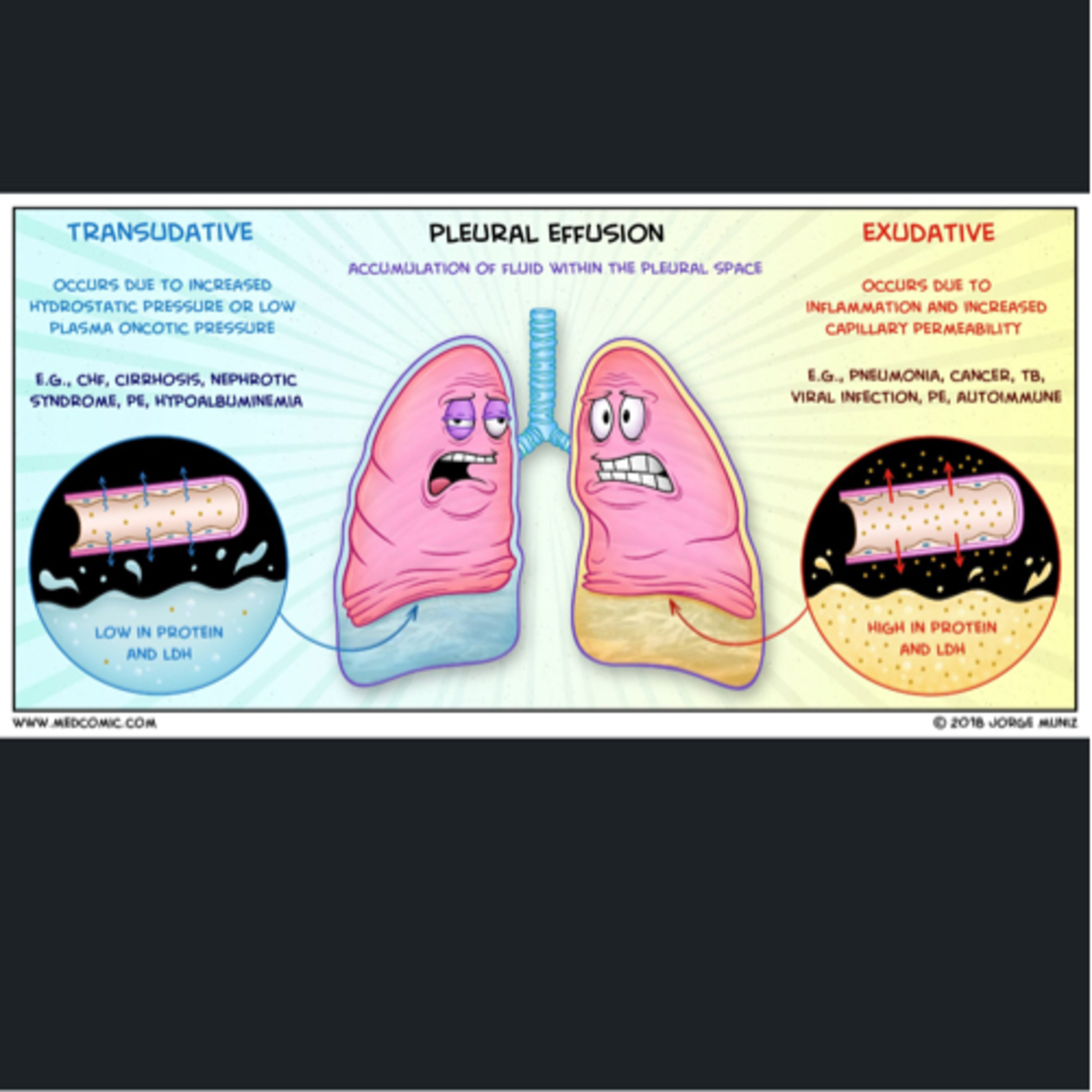
Quick Read #60 - #pathology #oralpathology #doctorgallagher #oralsurgery #oralsurgeon #dentist #dentistry #dental #biochemistry #physiology #disease #infection Transudate and exudate are terms used to describe the two main types of fluids that can accumulate in body cavities or tissues. Understanding the key differences between them is important for diagnostic and clinical purposes: Transudate: 👉 a type of fluid that may be associated with certain pathological processes in the oral cavity, although less common compared to exudate. The key characteristics of transudate in this context are: 1. Composition: Transudate is a clear, watery fluid with low protein content. It resembles the composition of blood plasma and contains minimal cellular elements. 2. Causes in Oral Pathology: • Transudate in the oral cavity can result from non-inflammatory conditions that affect blood vessel dynamics or osmotic pressures. • Conditions like congestive heart failure, cirrhosis, or conditions that disrupt the normal fluid balance in the oral tissues can lead to transudate formation. 3. Clinical Significance: • In oral pathology, transudate is typically not associated with the aggressive or inflammatory processes seen in some lesions or tumors. • Its presence may indicate an underlying systemic issue rather than a localized oral pathology. Exudate: 👉 more commonly encountered in oral pathology and is associated with inflammatory processes. Key features of exudate: 1. Composition: Exudate is a cloudy or purulent fluid rich in cellular components, proteins, and inflammatory mediators. It is markedly different from transudate in terms of its composition. 2. Causes in Oral Pathology: • Exudate is often seen in response to infections, tissue damage, or inflammatory conditions affecting the oral cavity. • Lesions, cysts, and tumors that provoke an inflammatory response, such as abscesses or certain types of cysts, can lead to exudate formation. 3. Clinical Significance: • The presence of exudate in oral pathology usually indicates an active inflammatory process. • Clinically, it can manifest as pus or a cloudy fluid, and it often necessitates further evaluation and treatment to address the underlying inflammatory condition. References: 1. Kumar, V., Abbas, A. K., & Aster, J. C. (2015). Robbins and Cotran Pathologic Basis of Disease (9th ed.). Saunders. 2. Goldman, L., & Schafer, A. I. (2020). Goldman-Cecil Medicine (26th ed.). Elsevier. 3. Cotran, R. S., Kumar, V., & Collins, T. (1999). Robbins Pathologic Basis of Disease (6th ed.). Saunders. 4. ChatGPT. 2023.
What this episode covers
Quick Read #60 - #pathology #oralpathology #doctorgallagher #oralsurgery #oralsurgeon #dentist #dentistry #dental #biochemistry #physiology #disease #infection Transudate and exudate are terms used to describe the two main types of fluids that can accumulate in body cavities or tissues. Understanding the key differences between them is important for diagnostic and clinical purposes: Transudate: 👉 a type of fluid that may be associated with certain pathological processes in the oral cavity, although less common compared to exudate. The key characteristics of transudate in this context are: 1. Composition: Transudate is a clear, watery fluid with low protein content. It resembles the composition of blood plasma and contains minimal cellular elements. 2. Causes in Oral Pathology: • Transudate in the oral cavity can result from non-inflammatory conditions that affect blood vessel dynamics or osmotic pressures. • Conditions like congestive heart failure, cirrhosis, or conditions that disrupt the normal fluid balance in the oral tissues can lead to transudate formation. 3. Clinical Significance: • In oral pathology, transudate is typically not associated with the aggressive or inflammatory processes seen in some lesions or tumors. • Its presence may indicate an underlying systemic issue rather than a localized oral pathology. Exudate: 👉 more commonly encountered in oral pathology and is associated with inflammatory processes. Key features of exudate: 1. Composition: Exudate is a cloudy or purulent fluid rich in cellular components, proteins, and inflammatory mediators. It is markedly different from transudate in terms of its composition. 2. Causes in Oral Pathology: • Exudate is often seen in response to infections, tissue damage, or inflammatory conditions affecting the oral cavity. • Lesions, cysts, and tumors that provoke an inflammatory response, such as abscesses or certain types of cysts, can lead to exudate formation. 3. Clinical Significance: • The presence of exudate in oral pathology usually indicates an active inflammatory process. • Clinically, it can manifest as pus or a cloudy fluid, and it often necessitates further evaluation and treatment to address the underlying inflammatory condition. References: 1. Kumar, V., Abbas, A. K., & Aster, J. C. (2015). Robbins and Cotran Pathologic Basis of Disease (9th ed.). Saunders. 2. Goldman, L., & Schafer, A. I. (2020). Goldman-Cecil Medicine (26th ed.). Elsevier. 3. Cotran, R. S., Kumar, V., & Collins, T. (1999). Robbins Pathologic Basis of Disease (6th ed.). Saunders. 4. ChatGPT. 2023.
NOW PLAYING
“What are Key Differences Between ‘Transudate’ and ‘Exudate’ in Oral Pathology?”
No transcript for this episode yet
Similar Episodes
Dec 5, 2025 ·50m
Oct 9, 2025 ·33m
Oct 3, 2025 ·40m
Sep 11, 2025 ·31m
Aug 27, 2025 ·39m
Aug 18, 2025 ·54m