
EPISODE · Jul 16, 2024 · 4 MIN
“What are the Differences Between the Osteoma, Cementoblstoma, and Cemento-Ossifying Fibroma?”
from Dr. Gallagher's Podcast · host Brendan Gallagher, DDS
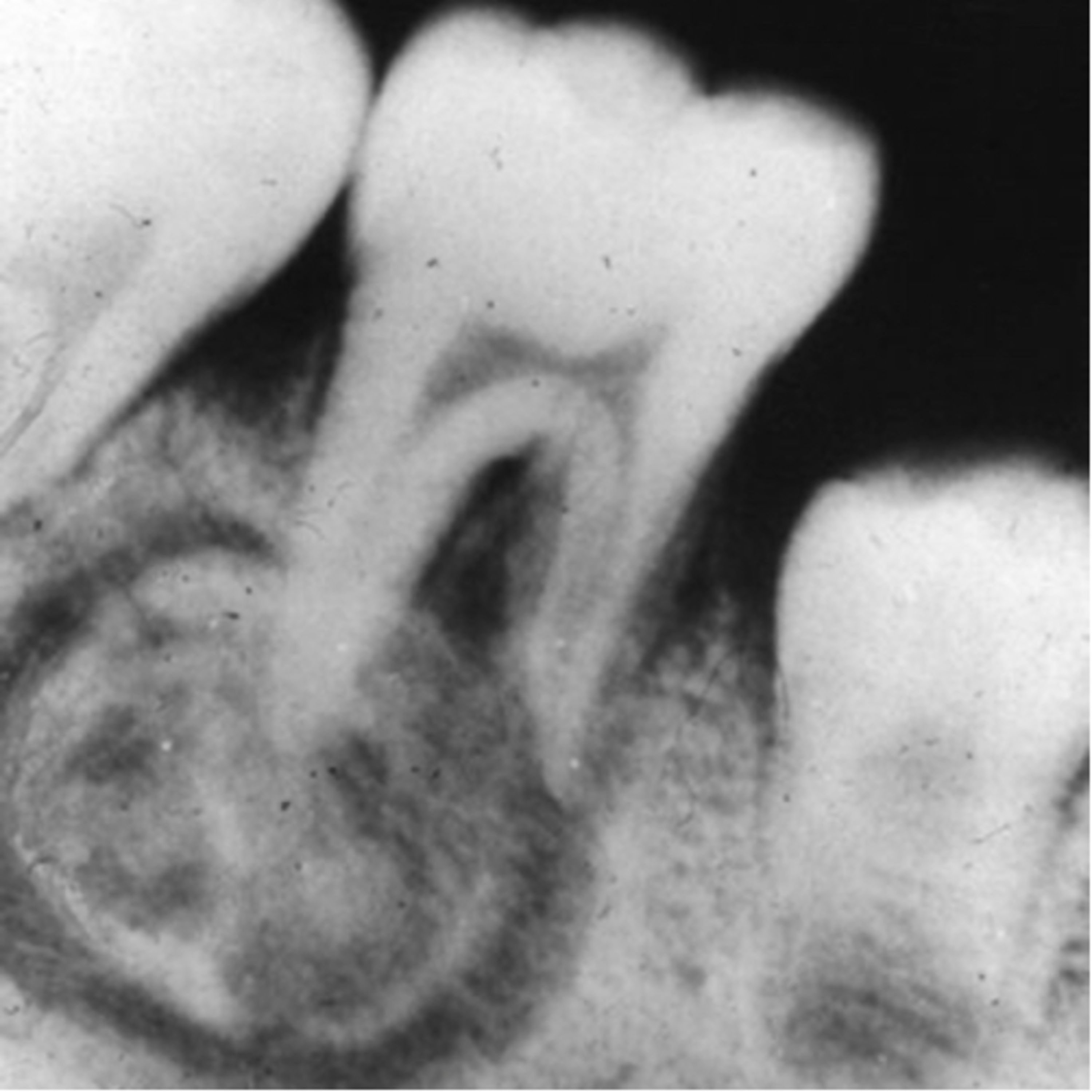
7.16.24 Quick Review #180 - #pathology #oralpathology #doctorgallagher #oralsurgery #oralsurgeon #dentist #dentistry #dental Osteoma - benign tumors composed of mature, compact, or cancellous bone. Characteristics: • Growth: Slow-growing. • Location: Commonly found in the craniofacial region, especially the paranasal sinuses, mandible, and skull. • Radiographic Appearance: Radiopaque mass with a well-defined border; it can be sessile or pedunculated. • Symptoms: Often asymptomatic but can cause swelling or asymmetry if large. Histopathology: • Composed of dense, mature bone with little marrow spaces. Clinical Significance: • Generally, no malignant transformation. • May be associated with Gardner’s syndrome, which includes multiple osteomas, colorectal polyps, and soft tissue tumors. Cementoblastoma - benign tumors of cementum-producing cells (cementoblasts). Characteristics: • Growth: Slow-growing but can be aggressive. • Location: Most commonly associated with the roots of mandibular molars and premolars. • Radiographic Appearance: Well-defined radiopaque mass attached to the root of a tooth, often with a surrounding radiolucent halo. • Symptoms: Pain and swelling are common due to the tumor’s pressure on the surrounding bone and nerves. Histopathology: • Consists of sheets of cementum-like material with entrapped cementoblasts and cementocytes. Clinical Significance: • Can cause root resorption. • Treatment often involves surgical removal of the tumor and associated tooth. Cemento-Ossifying Fibroma (COF) - a benign fibro-osseous lesion composed of fibrous tissue, bone, and cementum-like material. Characteristics: • Growth: Slow-growing but can cause significant expansion. • Location: Commonly affects the mandible, especially the premolar and molar regions. • Radiographic Appearance: Mixed radiolucent-radiopaque lesion with a well-defined border; early stages may appear more radiolucent, becoming more radiopaque as it matures. • Symptoms: May cause facial asymmetry, swelling, and displacement of teeth. Histopathology: • Composed of fibrous connective tissue with varying amounts of calcified bone and cementum-like material. Clinical Significance: • Treated with surgical excision. • Recurrence is uncommon but can occur if not completely removed. References: 1. Dr. G’s Toothpix. (n.d.). Cementoblastoma. Retrieved July 16, 2024, from https://lnkd.in/eK2eDCxR 2. Barnes, L., Eveson, J. W., Reichart, P., & Sidransky, D. (2005). World Health Organization Classification of Tumours: Pathology and Genetics of Head and Neck Tumours. IARC Press. 3. Neville, B. W., Damm, D. D., Allen, C. M., & Chi, A. C. (2016). Oral and Maxillofacial Pathology (4th ed.). Elsevier. 4. ChatGPT. 2024. - #podcast #podcasts #dentalpodcast #dentalpodcasts #doctorgallagherpodcast #doctorgallagherspodcast #doctor #dentistry #oralsurgery #dental #viral #dentalschool #dentalstudent #omfs #surgeon #doctorlife #dentistlife #residency #oralsurgeon #dentist #doctorgallagher
What this episode covers
7.16.24 Quick Review #180 - #pathology #oralpathology #doctorgallagher #oralsurgery #oralsurgeon #dentist #dentistry #dental Osteoma - benign tumors composed of mature, compact, or cancellous bone. Characteristics: • Growth: Slow-growing. • Location: Commonly found in the craniofacial region, especially the paranasal sinuses, mandible, and skull. • Radiographic Appearance: Radiopaque mass with a well-defined border; it can be sessile or pedunculated. • Symptoms: Often asymptomatic but can cause swelling or asymmetry if large. Histopathology: • Composed of dense, mature bone with little marrow spaces. Clinical Significance: • Generally, no malignant transformation. • May be associated with Gardner’s syndrome, which includes multiple osteomas, colorectal polyps, and soft tissue tumors. Cementoblastoma - benign tumors of cementum-producing cells (cementoblasts). Characteristics: • Growth: Slow-growing but can be aggressive. • Location: Most commonly associated with the roots of mandibular molars and premolars. • Radiographic Appearance: Well-defined radiopaque mass attached to the root of a tooth, often with a surrounding radiolucent halo. • Symptoms: Pain and swelling are common due to the tumor’s pressure on the surrounding bone and nerves. Histopathology: • Consists of sheets of cementum-like material with entrapped cementoblasts and cementocytes. Clinical Significance: • Can cause root resorption. • Treatment often involves surgical removal of the tumor and associated tooth. Cemento-Ossifying Fibroma (COF) - a benign fibro-osseous lesion composed of fibrous tissue, bone, and cementum-like material. Characteristics: • Growth: Slow-growing but can cause significant expansion. • Location: Commonly affects the mandible, especially the premolar and molar regions. • Radiographic Appearance: Mixed radiolucent-radiopaque lesion with a well-defined border; early stages may appear more radiolucent, becoming more radiopaque as it matures. • Symptoms: May cause facial asymmetry, swelling, and displacement of teeth. Histopathology: • Composed of fibrous connective tissue with varying amounts of calcified bone and cementum-like material. Clinical Significance: • Treated with surgical excision. • Recurrence is uncommon but can occur if not completely removed. References: 1. Dr. G’s Toothpix. (n.d.). Cementoblastoma. Retrieved July 16, 2024, from https://lnkd.in/eK2eDCxR 2. Barnes, L., Eveson, J. W., Reichart, P., & Sidransky, D. (2005). World Health Organization Classification of Tumours: Pathology and Genetics of Head and Neck Tumours. IARC Press. 3. Neville, B. W., Damm, D. D., Allen, C. M., & Chi, A. C. (2016). Oral and Maxillofacial Pathology (4th ed.). Elsevier. 4. ChatGPT. 2024. - #podcast #podcasts #dentalpodcast #dentalpodcasts #doctorgallagherpodcast #doctorgallagherspodcast #doctor #dentistry #oralsurgery #dental #viral #dentalschool #dentalstudent #omfs #surgeon #doctorlife #dentistlife #residency #oralsurgeon #dentist #doctorgallagher
NOW PLAYING
“What are the Differences Between the Osteoma, Cementoblstoma, and Cemento-Ossifying Fibroma?”
No transcript for this episode yet
Similar Episodes
Dec 5, 2025 ·50m
Oct 9, 2025 ·33m
Oct 3, 2025 ·40m
Sep 11, 2025 ·31m
Aug 27, 2025 ·39m
Aug 18, 2025 ·54m