
EPISODE · Jan 22, 2024 · 7 MIN
"What are the Indications, Pros, Cons of IVRO Surgery on the Mandible?"
from Dr. Gallagher's Podcast · host Brendan Gallagher, DDS
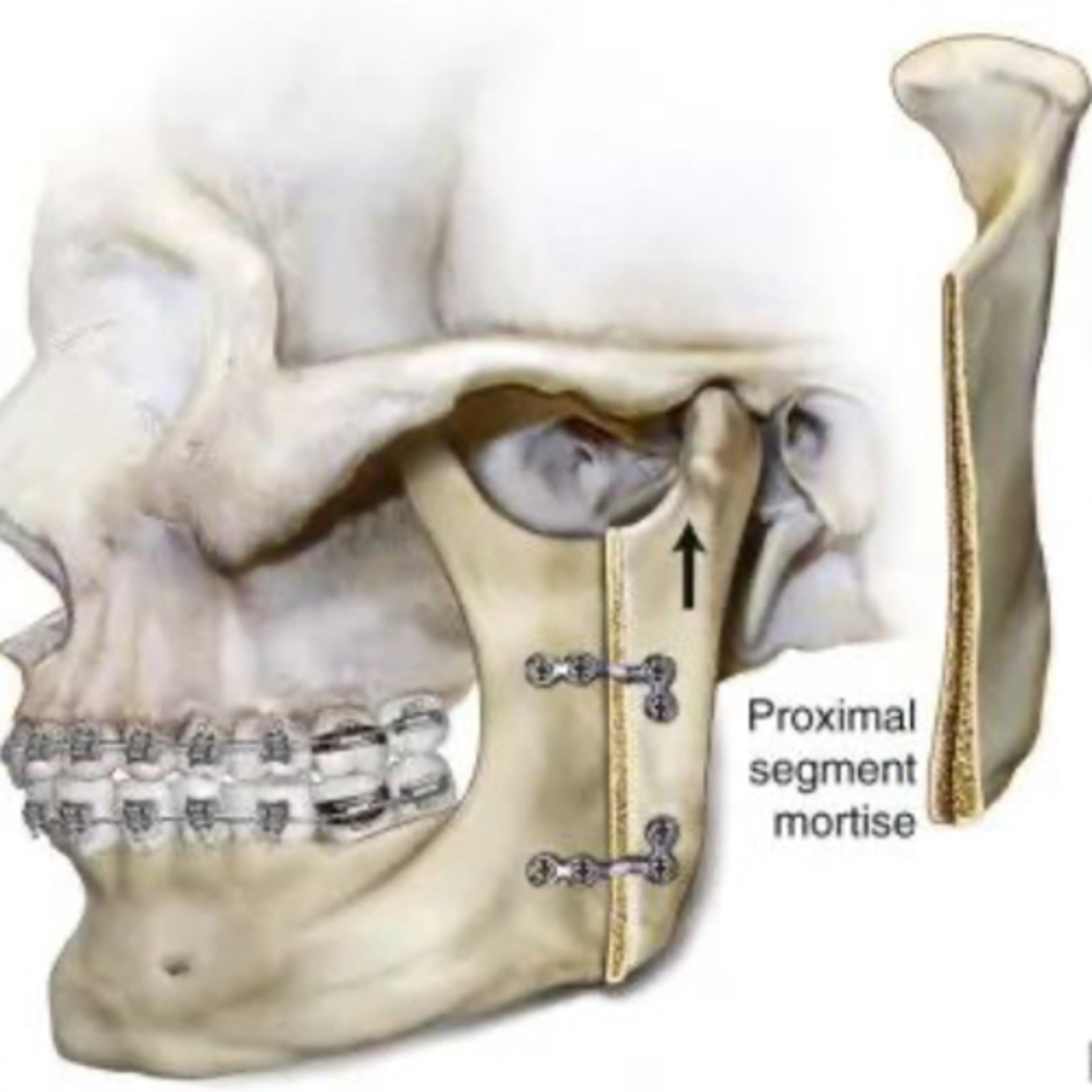
1.22.24 - Congrats to the dental students who matched to residencies today 🙌 Quick Review #97 - #surgery #surgeon #doctorgallagher #oralsurgery #oralsurgeon #omfs #dentist #dentistry #dental Intraoral Vertical Ramus Osteotomy (IVRO) is a type of orthognathic (jaw) surgery. This surgical procedure involves making vertical cuts in the mandible's (lower jaw) ramus. This is performed to correct jaw misalignments. Indications for IVRO: 1. Correction of Jaw Misalignment: It's often used to correct various types of jaw discrepancies, such as retrognathism (receding lower jaw) or prognathism (protruding lower jaw). 2. TMJ Disorders: IVRO is indicated in cases where TMJ disorders cause significant pain or functional issues, and where other treatments have not been effective. 3. Facial Asymmetry: It can also be used to address significant facial asymmetry due to jaw misalignment. 4. Obstructive Sleep Apnea: In some cases, IVRO is indicated for treating obstructive sleep apnea related to jaw structure. Pros of IVRO: 1. Less Nerve Damage Risk: Compared to some other jaw surgeries, IVRO poses a lower risk of damage to the inferior alveolar nerve. 2. TMJ Relief: It can provide significant relief from TMJ-related symptoms. 3. Improved Occlusion and Aesthetics: IVRO can improve both the function and appearance of the jaw and face. 4. No Need for Jaw Wiring: Post-surgery, the jaw typically isn't wired shut, allowing for better immediate postoperative function. Cons of IVRO: 1. Relapse Potential: There's a risk of the jaw reverting to its original position. 2. Limited Movement Post-Surgery: Patients may experience limited jaw movement initially after surgery. 3. Postoperative Care: Requires diligent postoperative care, including a soft diet and possibly physical therapy. 4. Surgical Risks: As with any surgery, there are risks of infection, bleeding, and complications from anesthesia. Common Complications: 1. Relapse of Jaw Position: This is one of the more common complications, where the jaw may gradually move back towards its original position. 2. Infection: Any surgical procedure carries a risk of infection. 3. Hemorrhage: Bleeding during or after surgery is a potential risk. 4. Temporary or Permanent Nerve Damage: Although less common than in some other types of jaw surgery, nerve damage can occur, affecting sensation in the lower lip and chin. 5. Difficulty in Jaw Function: Problems with chewing, speaking, or opening the mouth can occur, usually temporarily. 6. Pain and Swelling: Common postoperative experiences, which usually resolve over time. References: 1. AO Foundation. (n.d.). AO Surgery Reference. Retrieved from https://lnkd.in/effrrBzH 2. Abubaker, A.O., Lam, D., & Benson, K. (2016). OMFS Secrets (3rd ed.). Elsevier. 3. Miloro, M., Ghali, G. E., Larsen, P. E., & Waite, P. (Eds.). (2022). Peterson’s Principles of Oral and Maxillofacial Surgery (4th ed.). Springer. 4. ChatGPT. 2024.
What this episode covers
1.22.24 - Congrats to the dental students who matched to residencies today 🙌 Quick Review #97 - #surgery #surgeon #doctorgallagher #oralsurgery #oralsurgeon #omfs #dentist #dentistry #dental Intraoral Vertical Ramus Osteotomy (IVRO) is a type of orthognathic (jaw) surgery. This surgical procedure involves making vertical cuts in the mandible's (lower jaw) ramus. This is performed to correct jaw misalignments. Indications for IVRO: 1. Correction of Jaw Misalignment: It's often used to correct various types of jaw discrepancies, such as retrognathism (receding lower jaw) or prognathism (protruding lower jaw). 2. TMJ Disorders: IVRO is indicated in cases where TMJ disorders cause significant pain or functional issues, and where other treatments have not been effective. 3. Facial Asymmetry: It can also be used to address significant facial asymmetry due to jaw misalignment. 4. Obstructive Sleep Apnea: In some cases, IVRO is indicated for treating obstructive sleep apnea related to jaw structure. Pros of IVRO: 1. Less Nerve Damage Risk: Compared to some other jaw surgeries, IVRO poses a lower risk of damage to the inferior alveolar nerve. 2. TMJ Relief: It can provide significant relief from TMJ-related symptoms. 3. Improved Occlusion and Aesthetics: IVRO can improve both the function and appearance of the jaw and face. 4. No Need for Jaw Wiring: Post-surgery, the jaw typically isn't wired shut, allowing for better immediate postoperative function. Cons of IVRO: 1. Relapse Potential: There's a risk of the jaw reverting to its original position. 2. Limited Movement Post-Surgery: Patients may experience limited jaw movement initially after surgery. 3. Postoperative Care: Requires diligent postoperative care, including a soft diet and possibly physical therapy. 4. Surgical Risks: As with any surgery, there are risks of infection, bleeding, and complications from anesthesia. Common Complications: 1. Relapse of Jaw Position: This is one of the more common complications, where the jaw may gradually move back towards its original position. 2. Infection: Any surgical procedure carries a risk of infection. 3. Hemorrhage: Bleeding during or after surgery is a potential risk. 4. Temporary or Permanent Nerve Damage: Although less common than in some other types of jaw surgery, nerve damage can occur, affecting sensation in the lower lip and chin. 5. Difficulty in Jaw Function: Problems with chewing, speaking, or opening the mouth can occur, usually temporarily. 6. Pain and Swelling: Common postoperative experiences, which usually resolve over time. References: 1. AO Foundation. (n.d.). AO Surgery Reference. Retrieved from https://lnkd.in/effrrBzH 2. Abubaker, A.O., Lam, D., & Benson, K. (2016). OMFS Secrets (3rd ed.). Elsevier. 3. Miloro, M., Ghali, G. E., Larsen, P. E., & Waite, P. (Eds.). (2022). Peterson’s Principles of Oral and Maxillofacial Surgery (4th ed.). Springer. 4. ChatGPT. 2024.
NOW PLAYING
"What are the Indications, Pros, Cons of IVRO Surgery on the Mandible?"
No transcript for this episode yet
Similar Episodes
No similar episodes found.
Similar Podcasts
No similar podcasts found.