
EPISODE · Dec 17, 2023 · 4 MIN
“What are the Preauricular Incision Indications, Design, Pros vs. Cons?”
from Dr. Gallagher's Podcast · host Brendan Gallagher, DDS
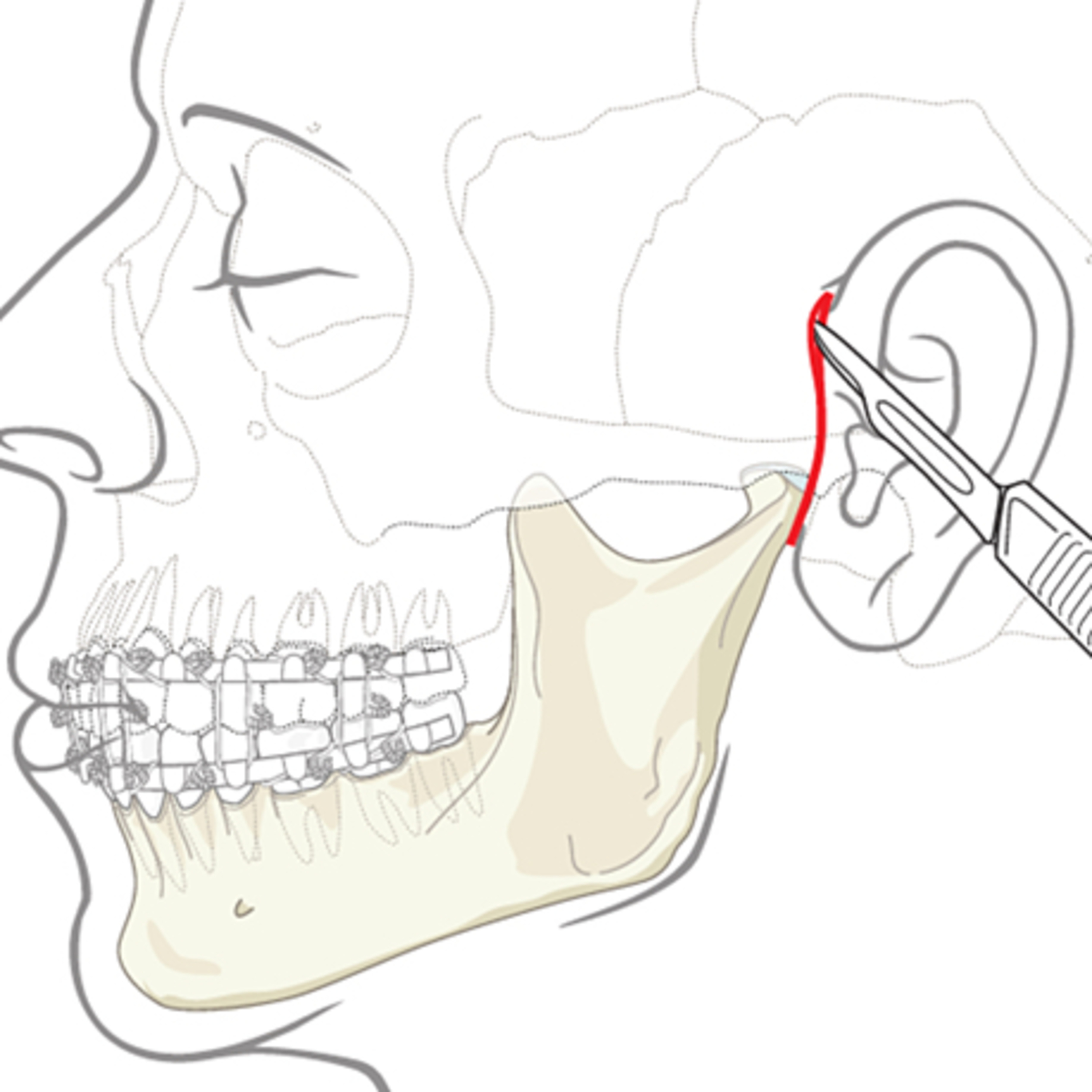
Quick Review #81 - #surgery #preauricular #plasticsurgery #doctorgallagher #oralsurgery #oralsurgeon #dentist #dentistry #dental #surgeon #doctor The preauricular incision is a surgical technique primarily utilized in oral and maxillofacial surgery, especially for accessing the temporomandibular joint (TMJ) and surrounding structures. The specific indications and details of this approach are as follows: Indications: 1. Upper Condylar Process and TMJ Compartments: The preauricular approach is ideally used for managing problems in these areas. It’s commonly employed in TMJ ankylosis cases. 2. High Condylar Fractures: This incision is also utilized in the treatment of high condylar fractures of the mandible. 3. Limited Exposure: It’s important to note that the exposure offered by the preauricular approach is limited to a portion of the condylar neck region. Surgical Design: • The incision is typically made in a preauricular skin crease, extending from the level of the helix above the tragus to the lobule. This placement is chosen for both functional and aesthetic reasons. • The dissection involves navigating through neurovascular structures, including branches of the facial nerve and the superficial temporal artery and vein. • The approach also involves dissecting down to the temporalis fascia and further to expose the capsule of the TMJ. Pros: • Aesthetic Considerations: One of the main advantages of a preauricular approach is the minimal visibility of scars. • Access to the Superior Part of the TMJ: It provides good access to the superior portion of the TMJ and the anteromedially displaced mandibular condyle. Cons: • Limited Access to Lower Portion: The preauricular approach does not provide access to the lower portion of the condylar process. • Difficulty in Rigid Fixation: Rigid fixation of mandibular condyle fractures can be challenging with this approach. • Risk of Facial Nerve Damage: There’s a significant risk of damaging the facial nerve, which is a major concern in this surgical technique. Additional Considerations: • Careful planning and execution are essential to minimize risks, especially regarding nerve damage. • The technique requires a thorough understanding of the anatomy and careful handling of the neurovascular structures. References: 1. AO Foundation. (n.d.). Preauricular approach. AO Surgery Reference. https://lnkd.in/eeRnQve4. 2. Davies, R. O. H., Cascarini, L., Coombes, D., & Warburton, G. (2020). Two New Surgical Techniques to Refine Surgery Around the Ear: “The Inviscision” and the External Auditory Meatus Suture. Journal of Oral and Maxillofacial Surgery. https://lnkd.in/ettnH4cA. 3. ChatGPT. 2023.
What this episode covers
Quick Review #81 - #surgery #preauricular #plasticsurgery #doctorgallagher #oralsurgery #oralsurgeon #dentist #dentistry #dental #surgeon #doctor The preauricular incision is a surgical technique primarily utilized in oral and maxillofacial surgery, especially for accessing the temporomandibular joint (TMJ) and surrounding structures. The specific indications and details of this approach are as follows: Indications: 1. Upper Condylar Process and TMJ Compartments: The preauricular approach is ideally used for managing problems in these areas. It’s commonly employed in TMJ ankylosis cases. 2. High Condylar Fractures: This incision is also utilized in the treatment of high condylar fractures of the mandible. 3. Limited Exposure: It’s important to note that the exposure offered by the preauricular approach is limited to a portion of the condylar neck region. Surgical Design: • The incision is typically made in a preauricular skin crease, extending from the level of the helix above the tragus to the lobule. This placement is chosen for both functional and aesthetic reasons. • The dissection involves navigating through neurovascular structures, including branches of the facial nerve and the superficial temporal artery and vein. • The approach also involves dissecting down to the temporalis fascia and further to expose the capsule of the TMJ. Pros: • Aesthetic Considerations: One of the main advantages of a preauricular approach is the minimal visibility of scars. • Access to the Superior Part of the TMJ: It provides good access to the superior portion of the TMJ and the anteromedially displaced mandibular condyle. Cons: • Limited Access to Lower Portion: The preauricular approach does not provide access to the lower portion of the condylar process. • Difficulty in Rigid Fixation: Rigid fixation of mandibular condyle fractures can be challenging with this approach. • Risk of Facial Nerve Damage: There’s a significant risk of damaging the facial nerve, which is a major concern in this surgical technique. Additional Considerations: • Careful planning and execution are essential to minimize risks, especially regarding nerve damage. • The technique requires a thorough understanding of the anatomy and careful handling of the neurovascular structures. References: 1. AO Foundation. (n.d.). Preauricular approach. AO Surgery Reference. https://lnkd.in/eeRnQve4. 2. Davies, R. O. H., Cascarini, L., Coombes, D., & Warburton, G. (2020). Two New Surgical Techniques to Refine Surgery Around the Ear: “The Inviscision” and the External Auditory Meatus Suture. Journal of Oral and Maxillofacial Surgery. https://lnkd.in/ettnH4cA. 3. ChatGPT. 2023.
NOW PLAYING
“What are the Preauricular Incision Indications, Design, Pros vs. Cons?”
No transcript for this episode yet
Similar Episodes
Dec 5, 2025 ·50m
Oct 9, 2025 ·33m
Oct 3, 2025 ·40m
Sep 11, 2025 ·31m
Aug 27, 2025 ·39m
Aug 18, 2025 ·54m