
EPISODE · Nov 29, 2023 · 4 MIN
“What are the Rates of Success vs. Failures of Root Canal Retreatment?” - Quick Review #75
from Dr. Gallagher's Podcast · host Brendan Gallagher, DDS
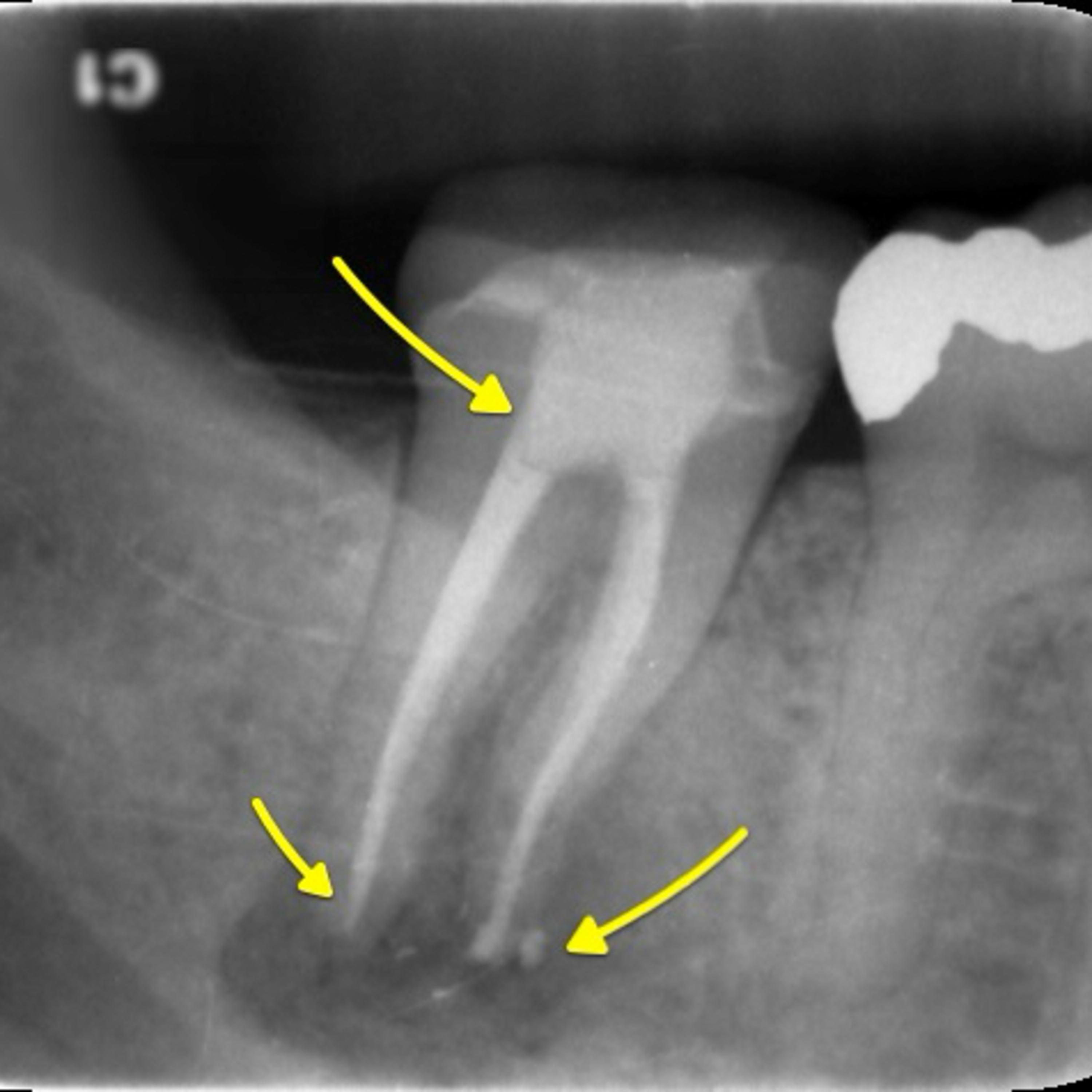
11.29.23 Quick Review #75 - #rootcanal #endodontics #doctorgallagher #oralsurgery #oralsurgeon #dentist #dentistry #dental The success versus failure of re-treatment of root canals, using literature from the PubMed database spanning from 1985 to 2021, indicates various factors and outcomes: 1. Periapical Healing in Retreatment: A study focused on the feasibility of achieving technical quality and periapical healing in non-surgical root canal retreatment. This retrospective observational study involved 321 patients and used data mining methods. The results showed a satisfactory technical outcome in 65.20% of cases and periapical healing in 80.50%. Factors related to technical quality included severity of root curvature and altered root canal morphology. Significant factors associated with retreatment failure were periapical lesion area, tooth type, and apical resorption. The study concluded that factors affecting technical outcomes included root canal morphological features and alterations resulting from primary endodontic treatment, while healing outcomes were mainly associated with the extent of apical periodontitis pathological damages. 2. Secondary Root Canal Treatment: Another comprehensive study, a systematic review, aimed to investigate the success rates of secondary root canal treatment (2° RCT) and the effects of clinical factors on its success. The pooled estimated success rate of secondary root canal treatment was 77%. Significant prognostic factors included the presence of pre-operative periapical lesion, apical extent of root filling, and quality of coronal restoration. 3. Factors Affecting Outcomes: A broad synthesis of clinical, biological, biomechanical, technical data aimed to understand factors affecting periapical healing after root canal retreatment. This study classified factors affecting periapical healing into pre-operative, intra-operative, and postoperative groups. The nature of prior dynamic host/infection interaction, the efficacy of the treatment protocol to shift the microbial ecology and reduce inflammation, and the ability of the tooth and restoration to resist infection were identified as key influences. Root canal retreatments were noted to have a reduced probability of healing due to compromised access or altered host/infection interactions. References: 1. Root canal retreatment: a retrospective investigation using regression and data mining methods for the prediction of technical quality and periapical healing - PubMed [https://pubmed.ncbi.nlm.nih.gov/33886941/] 2. Outcome of secondary root canal treatment: a systematic review of the literature - PubMed. [https://pubmed.ncbi.nlm.nih.gov/19133093/] 3. Factors that affect the outcomes of root canal treatment and retreatment-A reframing of the principles - PubMed. [https://pubmed.ncbi.nlm.nih.gov/36710532/] 4. ChatGPT. 2023.
What this episode covers
11.29.23 Quick Review #75 - #rootcanal #endodontics #doctorgallagher #oralsurgery #oralsurgeon #dentist #dentistry #dental The success versus failure of re-treatment of root canals, using literature from the PubMed database spanning from 1985 to 2021, indicates various factors and outcomes: 1. Periapical Healing in Retreatment: A study focused on the feasibility of achieving technical quality and periapical healing in non-surgical root canal retreatment. This retrospective observational study involved 321 patients and used data mining methods. The results showed a satisfactory technical outcome in 65.20% of cases and periapical healing in 80.50%. Factors related to technical quality included severity of root curvature and altered root canal morphology. Significant factors associated with retreatment failure were periapical lesion area, tooth type, and apical resorption. The study concluded that factors affecting technical outcomes included root canal morphological features and alterations resulting from primary endodontic treatment, while healing outcomes were mainly associated with the extent of apical periodontitis pathological damages. 2. Secondary Root Canal Treatment: Another comprehensive study, a systematic review, aimed to investigate the success rates of secondary root canal treatment (2° RCT) and the effects of clinical factors on its success. The pooled estimated success rate of secondary root canal treatment was 77%. Significant prognostic factors included the presence of pre-operative periapical lesion, apical extent of root filling, and quality of coronal restoration. 3. Factors Affecting Outcomes: A broad synthesis of clinical, biological, biomechanical, technical data aimed to understand factors affecting periapical healing after root canal retreatment. This study classified factors affecting periapical healing into pre-operative, intra-operative, and postoperative groups. The nature of prior dynamic host/infection interaction, the efficacy of the treatment protocol to shift the microbial ecology and reduce inflammation, and the ability of the tooth and restoration to resist infection were identified as key influences. Root canal retreatments were noted to have a reduced probability of healing due to compromised access or altered host/infection interactions. References: 1. Root canal retreatment: a retrospective investigation using regression and data mining methods for the prediction of technical quality and periapical healing - PubMed [https://pubmed.ncbi.nlm.nih.gov/33886941/] 2. Outcome of secondary root canal treatment: a systematic review of the literature - PubMed. [https://pubmed.ncbi.nlm.nih.gov/19133093/] 3. Factors that affect the outcomes of root canal treatment and retreatment-A reframing of the principles - PubMed. [https://pubmed.ncbi.nlm.nih.gov/36710532/] 4. ChatGPT. 2023.
NOW PLAYING
“What are the Rates of Success vs. Failures of Root Canal Retreatment?” - Quick Review #75
No transcript for this episode yet
Similar Episodes
No similar episodes found.
Similar Podcasts
No similar podcasts found.