
EPISODE · Jun 10, 2024 · 3 MIN
“What Differentiates ‘Locking’ vs. ‘Non-Locking’ Bone Screws For Fracture Repairs?”
from Dr. Gallagher's Podcast · host Brendan Gallagher, DDS
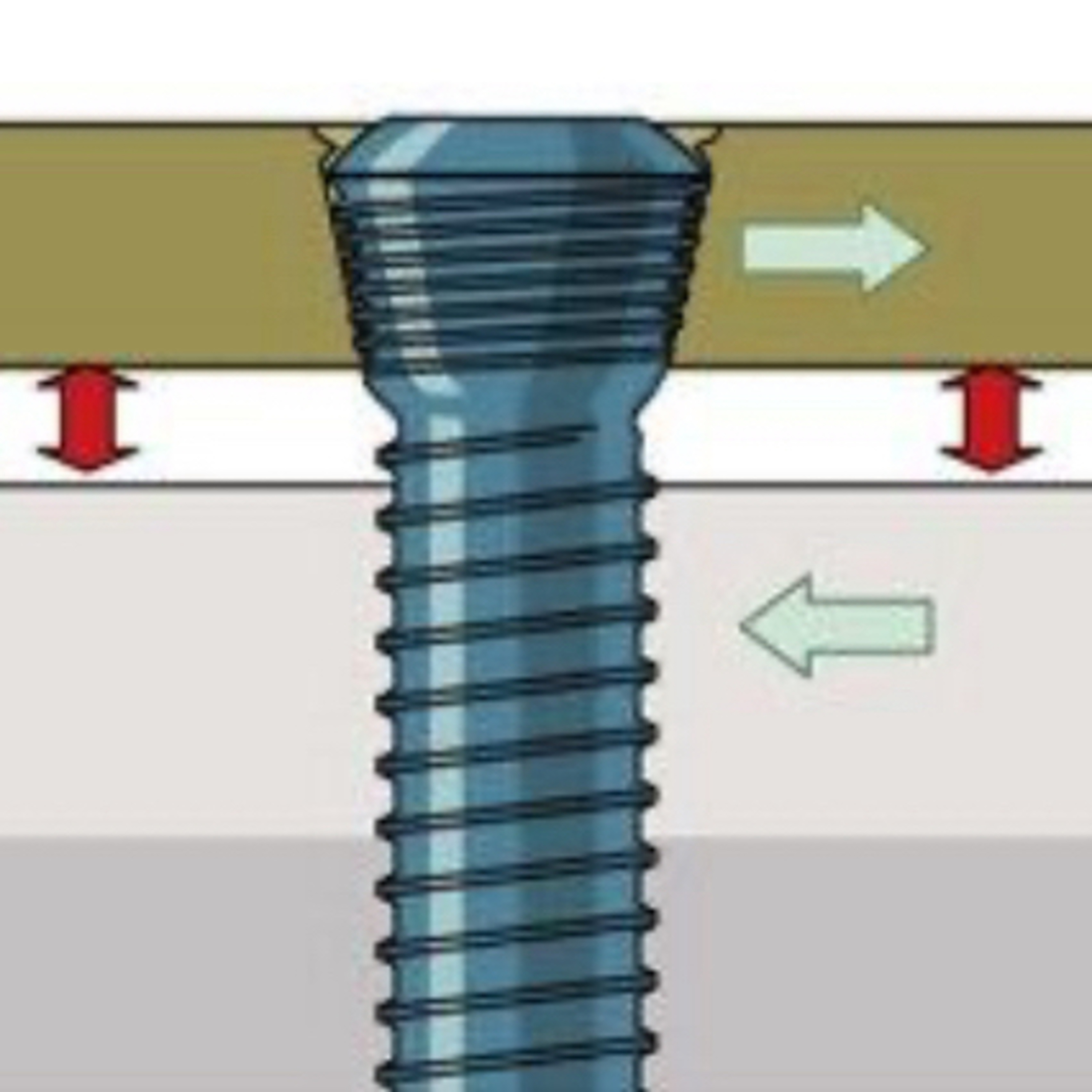
6.10.24 Quick Review #146 - #surgery #surgeon #doctorgallagher #oralsurgery #oralsurgeon #omfs #dentist #dentistry #dental Locking Bone Screws: 1. Mechanism: • Locking screws engage both the bone and the plate, creating a fixed-angle construct. The screw threads lock into the plate holes. 2. Stability: • Provide more stable fixation, especially in osteoporotic bone or comminuted fractures where bone quality may be compromised. • Reduces the risk of the screws loosening from the bone over time. 3. Biomechanics: • Create a more rigid fixation system that distributes stress more evenly between the bone and the plate. • Less dependence on the bone’s quality, as the screw-plate interface provides the majority of the stability. 4. Application: • Particularly beneficial in cases where bone fragments are small or in poor quality bone where traditional screw purchase might be unreliable. • Often preferred in complex or multi-fragmentary fractures. Non-Locking Bone Screws: 1. Mechanism: • Non-locking screws compress the plate against the bone. The stability is primarily dependent on the friction between the plate and the bone surface. 2. Stability: • Stability is more dependent on the quality of the bone. If the bone is weak or osteoporotic, the risk of screw loosening increases. • Suitable for simple fractures with good bone quality. 3. Biomechanics: • Allow for some micro-movement between the plate and bone, which can be beneficial in certain types of fracture healing (e.g., indirect healing with callus formation). • More reliant on the bone-plate interface for stability. 4. Application: • Often used in situations where the bone quality is good, and the fracture is not highly comminuted. • Generally less expensive and easier to handle in straightforward fractures. Clinical Considerations: • Patient Factors: -In elderly patients or those with compromised bone quality, locking screws may provide more reliable fixation. -In younger patients with good bone quality, non-locking screws may be sufficient. • Fracture Type: -Comminuted or complex fractures may benefit from the additional stability provided by locking screws. -Simple, non-complex fractures can often be managed effectively with non-locking screws. References: 1. Szpyryt, P., & Forward, D. (2009). The use and abuse of locking plates. Orthopaedics and Trauma, 23(4), 281-290. https://lnkd.in/eMPv7ZYM 2. Alpert, B., & Gutwald, R. (2012). Comparison of Locking Plates and Non-Locking Plates for the Internal Fixation of Mandibular Fractures. Journal of Oral and Maxillofacial Surgery, 70(3), 654-661. doi:10.1016/j.joms.2011.09.037 3. Champy, M., Lodde, J. P., Schmitt, R., Jaeger, J. H., & Muster, D. (1978). Mandibular Osteosynthesis by Miniaturized Plates via a Buccal Approach. Journal of Maxillofacial Surgery, 6(1), 14-21. doi:10.1016/S0301-0503(78)80019-8 4. ChatGPT. 2024. #podcast #podcasts #dentalpodcast #dentalpodcasts #doctorgallagherpodcast #doctorgallagherspodcast #doctor #dentistry
What this episode covers
6.10.24 Quick Review #146 - #surgery #surgeon #doctorgallagher #oralsurgery #oralsurgeon #omfs #dentist #dentistry #dental Locking Bone Screws: 1. Mechanism: • Locking screws engage both the bone and the plate, creating a fixed-angle construct. The screw threads lock into the plate holes. 2. Stability: • Provide more stable fixation, especially in osteoporotic bone or comminuted fractures where bone quality may be compromised. • Reduces the risk of the screws loosening from the bone over time. 3. Biomechanics: • Create a more rigid fixation system that distributes stress more evenly between the bone and the plate. • Less dependence on the bone’s quality, as the screw-plate interface provides the majority of the stability. 4. Application: • Particularly beneficial in cases where bone fragments are small or in poor quality bone where traditional screw purchase might be unreliable. • Often preferred in complex or multi-fragmentary fractures. Non-Locking Bone Screws: 1. Mechanism: • Non-locking screws compress the plate against the bone. The stability is primarily dependent on the friction between the plate and the bone surface. 2. Stability: • Stability is more dependent on the quality of the bone. If the bone is weak or osteoporotic, the risk of screw loosening increases. • Suitable for simple fractures with good bone quality. 3. Biomechanics: • Allow for some micro-movement between the plate and bone, which can be beneficial in certain types of fracture healing (e.g., indirect healing with callus formation). • More reliant on the bone-plate interface for stability. 4. Application: • Often used in situations where the bone quality is good, and the fracture is not highly comminuted. • Generally less expensive and easier to handle in straightforward fractures. Clinical Considerations: • Patient Factors: -In elderly patients or those with compromised bone quality, locking screws may provide more reliable fixation. -In younger patients with good bone quality, non-locking screws may be sufficient. • Fracture Type: -Comminuted or complex fractures may benefit from the additional stability provided by locking screws. -Simple, non-complex fractures can often be managed effectively with non-locking screws. References: 1. Szpyryt, P., & Forward, D. (2009). The use and abuse of locking plates. Orthopaedics and Trauma, 23(4), 281-290. https://lnkd.in/eMPv7ZYM 2. Alpert, B., & Gutwald, R. (2012). Comparison of Locking Plates and Non-Locking Plates for the Internal Fixation of Mandibular Fractures. Journal of Oral and Maxillofacial Surgery, 70(3), 654-661. doi:10.1016/j.joms.2011.09.037 3. Champy, M., Lodde, J. P., Schmitt, R., Jaeger, J. H., & Muster, D. (1978). Mandibular Osteosynthesis by Miniaturized Plates via a Buccal Approach. Journal of Maxillofacial Surgery, 6(1), 14-21. doi:10.1016/S0301-0503(78)80019-8 4. ChatGPT. 2024. #podcast #podcasts #dentalpodcast #dentalpodcasts #doctorgallagherpodcast #doctorgallagherspodcast #doctor #dentistry
NOW PLAYING
“What Differentiates ‘Locking’ vs. ‘Non-Locking’ Bone Screws For Fracture Repairs?”
No transcript for this episode yet
Similar Episodes
Dec 5, 2025 ·50m
Oct 9, 2025 ·33m
Oct 3, 2025 ·40m
Sep 11, 2025 ·31m
Aug 27, 2025 ·39m
Aug 18, 2025 ·54m