
EPISODE · Nov 6, 2023 · 4 MIN
“What is a ‘Compound’ Fracture and How is it Treated Uniquely?” - Quick Read #71 (on LinkedIn, X)
from Dr. Gallagher's Podcast · host Brendan Gallagher, DDS
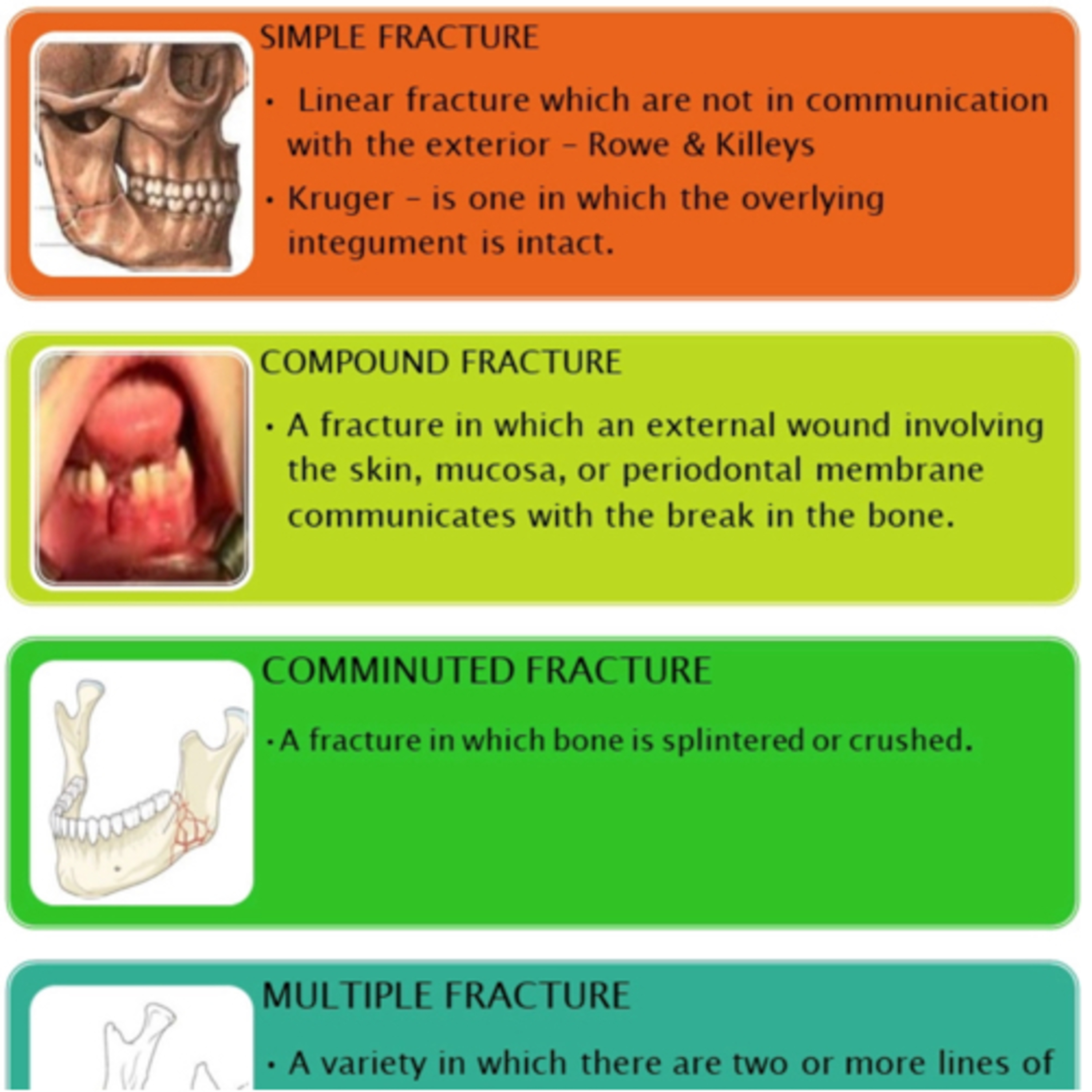
11.6.23 Quick Read #71 - #trauma #fracture #facialtrauma #mandible #jawfracture #doctorgallagher #oralsurgery #oralsurgeon #dentist #dentistry #dental A compound mandible fracture, also known as an open mandible fracture, is a type of jaw fracture where the broken bone is exposed through the skin due to an external injury or wound. This differs from a closed mandible fracture, where the broken bone doesn't penetrate the skin. Treatment of a compound mandible fracture typically involves addressing both the fracture and the open wound: 1. Infection control: The primary concern with compound fractures is the risk of infection since the bone is exposed to external contaminants. Immediate measures include cleaning the wound and administering antibiotics to prevent or treat infection. 2. Wound closure: The open wound is typically closed surgically, often involving wound exploration and debridement to remove damaged tissue and foreign material. Depending on the extent of the injury, the wound may be closed primarily (sutures) or temporarily covered with a sterile dressing until it can be surgically closed later. 3. Fracture stabilization: Once the wound is addressed, the mandible fracture is treated similarly to closed fractures. This may involve the use of wiring, plates, screws, or other fixation devices to stabilize and align the broken bone for proper healing. 4. Soft diet and restricted jaw movement: Patients with both open and closed mandible fractures often need to follow a soft diet and limit jaw movement to allow for proper healing. In some cases, the jaw may be wired shut temporarily to immobilize it during the healing process. 5. Follow-up care: Close monitoring is essential to ensure the fracture heals properly and the risk of infection remains under control. Additional surgeries or treatments may be required to address any complications. Overall, the unique aspect of treating a compound mandible fracture is the immediate attention to the open wound and infection prevention, in addition to the standard fracture management techniques applied to closed fractures. Treatment plans may vary depending on the specific circumstances of the injury. References: 1. Fonseca, R. J., Barber, H. D., & Powers, M. P. (2012). Oral and Maxillofacial Trauma (Vol. 2). Saunders. 2. Ellis, E., & Zide, M. F. (2018). Surgical Approaches to the Facial Skeleton (3rd ed.). CRC Press. 3. Dodson, T. B. (2011). Perioperative antibiotic use in clean facial fracture surgery: A systematic review and meta-analysis. Journal of Oral and Maxillofacial Surgery, 69(8), 2372-2377. 4. Abubaker, A. O., Lam, D., & Benson, K. J. (2016). Oral & Maxillofacial Surgery Secrets (3rd ed.). Elsevier. 5. ChatGPT. 2023.
What this episode covers
11.6.23 Quick Read #71 - #trauma #fracture #facialtrauma #mandible #jawfracture #doctorgallagher #oralsurgery #oralsurgeon #dentist #dentistry #dental A compound mandible fracture, also known as an open mandible fracture, is a type of jaw fracture where the broken bone is exposed through the skin due to an external injury or wound. This differs from a closed mandible fracture, where the broken bone doesn't penetrate the skin. Treatment of a compound mandible fracture typically involves addressing both the fracture and the open wound: 1. Infection control: The primary concern with compound fractures is the risk of infection since the bone is exposed to external contaminants. Immediate measures include cleaning the wound and administering antibiotics to prevent or treat infection. 2. Wound closure: The open wound is typically closed surgically, often involving wound exploration and debridement to remove damaged tissue and foreign material. Depending on the extent of the injury, the wound may be closed primarily (sutures) or temporarily covered with a sterile dressing until it can be surgically closed later. 3. Fracture stabilization: Once the wound is addressed, the mandible fracture is treated similarly to closed fractures. This may involve the use of wiring, plates, screws, or other fixation devices to stabilize and align the broken bone for proper healing. 4. Soft diet and restricted jaw movement: Patients with both open and closed mandible fractures often need to follow a soft diet and limit jaw movement to allow for proper healing. In some cases, the jaw may be wired shut temporarily to immobilize it during the healing process. 5. Follow-up care: Close monitoring is essential to ensure the fracture heals properly and the risk of infection remains under control. Additional surgeries or treatments may be required to address any complications. Overall, the unique aspect of treating a compound mandible fracture is the immediate attention to the open wound and infection prevention, in addition to the standard fracture management techniques applied to closed fractures. Treatment plans may vary depending on the specific circumstances of the injury. References: 1. Fonseca, R. J., Barber, H. D., & Powers, M. P. (2012). Oral and Maxillofacial Trauma (Vol. 2). Saunders. 2. Ellis, E., & Zide, M. F. (2018). Surgical Approaches to the Facial Skeleton (3rd ed.). CRC Press. 3. Dodson, T. B. (2011). Perioperative antibiotic use in clean facial fracture surgery: A systematic review and meta-analysis. Journal of Oral and Maxillofacial Surgery, 69(8), 2372-2377. 4. Abubaker, A. O., Lam, D., & Benson, K. J. (2016). Oral & Maxillofacial Surgery Secrets (3rd ed.). Elsevier. 5. ChatGPT. 2023.
NOW PLAYING
“What is a ‘Compound’ Fracture and How is it Treated Uniquely?” - Quick Read #71 (on LinkedIn, X)
No transcript for this episode yet
Similar Episodes
Dec 5, 2025 ·50m
Oct 9, 2025 ·33m
Oct 3, 2025 ·40m
Sep 11, 2025 ·31m
Aug 27, 2025 ·39m
Aug 18, 2025 ·54m