
EPISODE · Feb 14, 2024 · 2 MIN
“What is Marcus Gunn Pupil and What Does it Indicate?”
from Dr. Gallagher's Podcast · host Brendan Gallagher, DDS
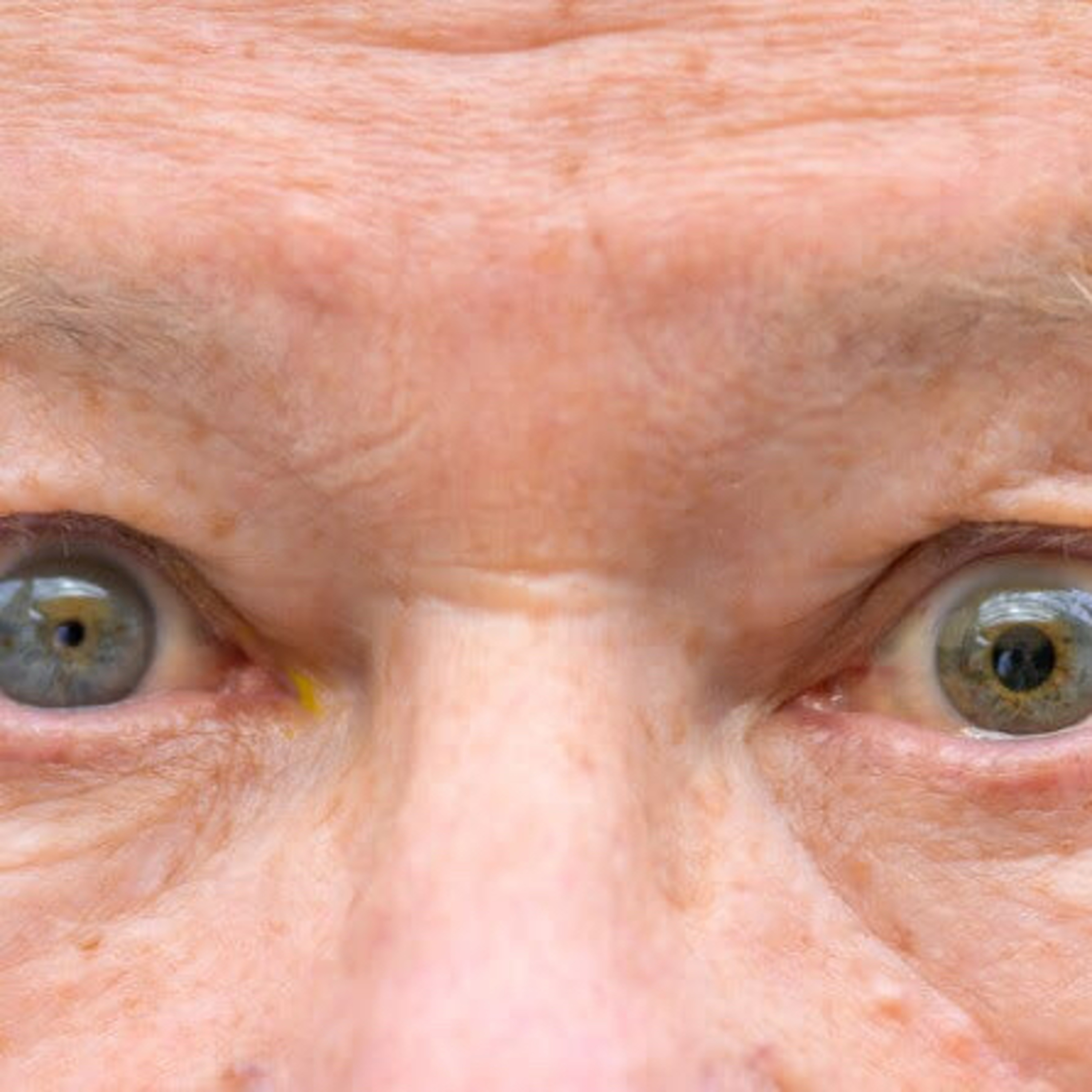
2.14.24 Quick Review #107 - #pathology #oralpathology #doctorgallagher #oralsurgery #oralsurgeon #dentist #dentistry #dental #surgery #surgeon #doctorgallagher #omfs #ophthalmology A Marcus Gunn pupil, or relative afferent pupillary defect (RAPD), is an ocular sign indicating an asymmetric dysfunction in the afferent limb of the pupillary light reflex pathway. This typically suggests a lesion along the optic nerve (anterior to the lateral geniculate nucleus) or significant retinal damage. The test used to identify a Marcus Gunn pupil, or relative afferent pupillary defect (RAPD), is the swinging flashlight test. This test compares the pupillary light reflex of both eyes by swinging a light between them. If the affected eye shows less constriction or dilates when directly illuminated compared to the consensual response when the other eye is illuminated, RAPD is present, indicating a defect in the afferent pathway of the pupillary light reflex. Treatment is not directed at the pupil anomaly itself but rather at the underlying pathology, which could range from demyelinating diseases like multiple sclerosis to direct optic nerve injury, ischemic optic neuropathy, or severe retinal degeneration. Management strategies must be tailored to the specific etiology, aiming to preserve vision and prevent further neurological or ocular damage. References: 1. Sprabary, A. (Reviewed by Stokkermans, T., OD, PhD). (n.d.). Marcus Gunn pupil (RAPD): Causes, types, signs and treatment. All About Vision. Retrieved from https://www.allaboutvision.com/conditions/pupil/marcus-gunn-pupil/ 2. Stanford Medicine 25. (2013, June 25). What is the Marcus Gunn Pupil? Retrieved from https://stanfordmedicine25.stanford.edu/blog/archive/2013/Do-you-know-Marcus-Gunn.html 3. ChatGPT. 2024.
What this episode covers
2.14.24 Quick Review #107 - #pathology #oralpathology #doctorgallagher #oralsurgery #oralsurgeon #dentist #dentistry #dental #surgery #surgeon #doctorgallagher #omfs #ophthalmology A Marcus Gunn pupil, or relative afferent pupillary defect (RAPD), is an ocular sign indicating an asymmetric dysfunction in the afferent limb of the pupillary light reflex pathway. This typically suggests a lesion along the optic nerve (anterior to the lateral geniculate nucleus) or significant retinal damage. The test used to identify a Marcus Gunn pupil, or relative afferent pupillary defect (RAPD), is the swinging flashlight test. This test compares the pupillary light reflex of both eyes by swinging a light between them. If the affected eye shows less constriction or dilates when directly illuminated compared to the consensual response when the other eye is illuminated, RAPD is present, indicating a defect in the afferent pathway of the pupillary light reflex. Treatment is not directed at the pupil anomaly itself but rather at the underlying pathology, which could range from demyelinating diseases like multiple sclerosis to direct optic nerve injury, ischemic optic neuropathy, or severe retinal degeneration. Management strategies must be tailored to the specific etiology, aiming to preserve vision and prevent further neurological or ocular damage. References: 1. Sprabary, A. (Reviewed by Stokkermans, T., OD, PhD). (n.d.). Marcus Gunn pupil (RAPD): Causes, types, signs and treatment. All About Vision. Retrieved from https://www.allaboutvision.com/conditions/pupil/marcus-gunn-pupil/ 2. Stanford Medicine 25. (2013, June 25). What is the Marcus Gunn Pupil? Retrieved from https://stanfordmedicine25.stanford.edu/blog/archive/2013/Do-you-know-Marcus-Gunn.html 3. ChatGPT. 2024.
NOW PLAYING
“What is Marcus Gunn Pupil and What Does it Indicate?”
No transcript for this episode yet
Similar Episodes
Dec 5, 2025 ·50m
Oct 9, 2025 ·33m
Oct 3, 2025 ·40m
Sep 11, 2025 ·31m
Aug 27, 2025 ·39m
Aug 18, 2025 ·54m