
EPISODE · Sep 18, 2023 · 3 MIN
“What is Neurorrhaphy and Key Repair Techniques used in Surgery?”
from Dr. Gallagher's Podcast · host Brendan Gallagher, DDS
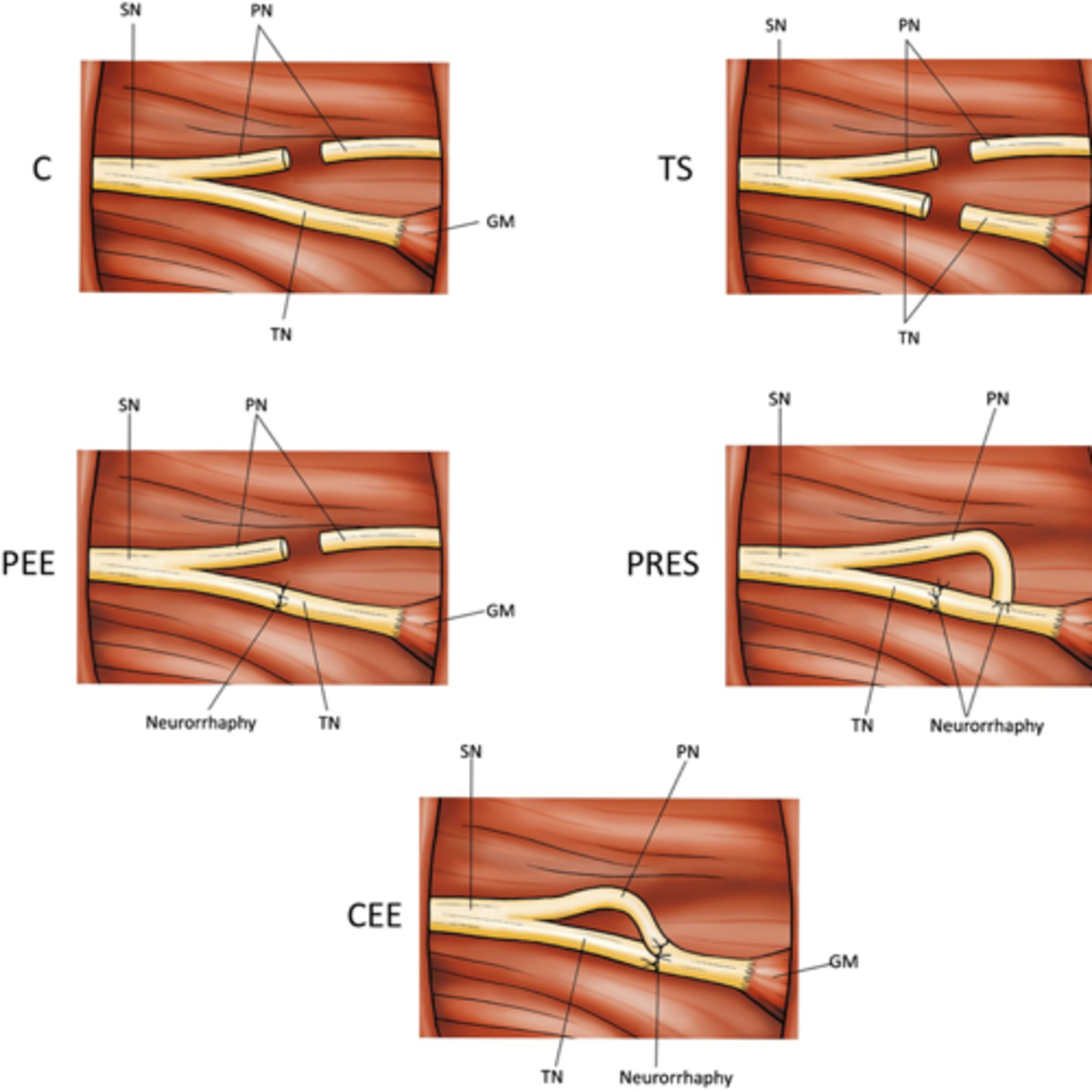
9.18.23 Quick Read #58 - #nerves #nerverepair #oralsurgery #oralsurgeon #dental #dentistry #doctorgallagher #surgery #surgeon #residency #nerve Neurorrhaphy is a delicate surgical procedure that involves the precise reconnection of damaged or severed nerves. Primary end-to-end neurorrhaphy (PEE), nerve primary repair associated with end-to-side nerve transfer (PRES), and nerve repair by convergent end-to-end (CEE) neurorrhaphy are surgical techniques used in nerve repair and reconstruction, particularly in cases of nerve injuries: 1. Primary End-to-End Neurorrhaphy (PEE): • PEE is a standard technique in nerve repair where the two severed ends of a damaged nerve are directly sutured or stitched together. • It is typically used when the nerve gap is short, and the nerve ends are healthy and amenable to direct reconnection. • The goal of PEE is to restore continuity to the nerve, allowing for regeneration and functional recovery. 2. Nerve Primary Repair Associated with End-to-Side Nerve Transfer (PRES): • PRES involves a combination of two techniques: primary nerve repair and end-to-side nerve transfer. • In this approach, the damaged nerve is primarily repaired by suturing its severed ends together (similar to PEE). • Additionally, an end-to-side nerve transfer is performed by attaching a healthy, adjacent nerve to the side of the damaged nerve. • The purpose of the end-to-side transfer is to potentially enhance nerve regeneration by providing a source of axons (nerve fibers) to the damaged nerve. 3. Nerve Repair by Convergent End-to-End (CEE) Neurorrhaphy Between the Proximal Stumps: • CEE neurorrhaphy is a specialized technique used when there is a gap between the proximal (closer to the center of the body) stumps of two nerves. • Unlike traditional end-to-end neurorrhaphy, where the two cut nerve ends are sutured directly, CEE involves creating a V-shaped or Y-shaped suture pattern to bring the proximal stumps together. • This technique is used when direct end-to-end repair is not possible due to tension or a sizeable gap between the nerve stumps. References: • Nepomuceno, A. C., de Faria, J. C., Politani, E. L., Silva, E. G., Salomone, R., Longo, M. V., Lima, W., Salles, A. G., & Gemperli, R. (2019). Convergent end-to-end neurorrhaphy: An alternative technique for dual innervation of the gastrocnemius muscle in rats. Microsurgery, 39(5), 459-465. https://lnkd.in/edMazTEv • Mackinnon, S. E., & Dellon, A. L. (1988). Surgery of the peripheral nerve. Thieme Medical Publishers. • Terzis, J. K., & Tzafetta, K. (2009). “The ‘babysitter’ procedure: minihypoglossal to facial nerve transfer and cross-facial nerve grafting.” Plastic and Reconstructive Surgery, 123(3), 865-876. • Spinner, R. J., & Bishop, A. T. (2000). “The Proximal Convergent Nerve Injury: A Unique and Misleading Variant of Nerve Injury.” Journal of Hand Surgery, 25(5), 799-809. • ChatGPT. 2023.
What this episode covers
9.18.23 Quick Read #58 - #nerves #nerverepair #oralsurgery #oralsurgeon #dental #dentistry #doctorgallagher #surgery #surgeon #residency #nerve Neurorrhaphy is a delicate surgical procedure that involves the precise reconnection of damaged or severed nerves. Primary end-to-end neurorrhaphy (PEE), nerve primary repair associated with end-to-side nerve transfer (PRES), and nerve repair by convergent end-to-end (CEE) neurorrhaphy are surgical techniques used in nerve repair and reconstruction, particularly in cases of nerve injuries: 1. Primary End-to-End Neurorrhaphy (PEE): • PEE is a standard technique in nerve repair where the two severed ends of a damaged nerve are directly sutured or stitched together. • It is typically used when the nerve gap is short, and the nerve ends are healthy and amenable to direct reconnection. • The goal of PEE is to restore continuity to the nerve, allowing for regeneration and functional recovery. 2. Nerve Primary Repair Associated with End-to-Side Nerve Transfer (PRES): • PRES involves a combination of two techniques: primary nerve repair and end-to-side nerve transfer. • In this approach, the damaged nerve is primarily repaired by suturing its severed ends together (similar to PEE). • Additionally, an end-to-side nerve transfer is performed by attaching a healthy, adjacent nerve to the side of the damaged nerve. • The purpose of the end-to-side transfer is to potentially enhance nerve regeneration by providing a source of axons (nerve fibers) to the damaged nerve. 3. Nerve Repair by Convergent End-to-End (CEE) Neurorrhaphy Between the Proximal Stumps: • CEE neurorrhaphy is a specialized technique used when there is a gap between the proximal (closer to the center of the body) stumps of two nerves. • Unlike traditional end-to-end neurorrhaphy, where the two cut nerve ends are sutured directly, CEE involves creating a V-shaped or Y-shaped suture pattern to bring the proximal stumps together. • This technique is used when direct end-to-end repair is not possible due to tension or a sizeable gap between the nerve stumps. References: • Nepomuceno, A. C., de Faria, J. C., Politani, E. L., Silva, E. G., Salomone, R., Longo, M. V., Lima, W., Salles, A. G., & Gemperli, R. (2019). Convergent end-to-end neurorrhaphy: An alternative technique for dual innervation of the gastrocnemius muscle in rats. Microsurgery, 39(5), 459-465. https://lnkd.in/edMazTEv • Mackinnon, S. E., & Dellon, A. L. (1988). Surgery of the peripheral nerve. Thieme Medical Publishers. • Terzis, J. K., & Tzafetta, K. (2009). “The ‘babysitter’ procedure: minihypoglossal to facial nerve transfer and cross-facial nerve grafting.” Plastic and Reconstructive Surgery, 123(3), 865-876. • Spinner, R. J., & Bishop, A. T. (2000). “The Proximal Convergent Nerve Injury: A Unique and Misleading Variant of Nerve Injury.” Journal of Hand Surgery, 25(5), 799-809. • ChatGPT. 2023.
NOW PLAYING
“What is Neurorrhaphy and Key Repair Techniques used in Surgery?”
No transcript for this episode yet
Similar Episodes
Dec 5, 2025 ·50m
Oct 9, 2025 ·33m
Oct 3, 2025 ·40m
Sep 11, 2025 ·31m
Aug 27, 2025 ·39m
Aug 18, 2025 ·54m